
Most Christian schools hand out welcome kits filled with paper clutter and cheap plastic, and families forget about it by the next day. A Bible verse on a low-quality pen is not enough to win hearts. A packet of forms held together by a bent paperclip definitely is not moving anyone emotionally. If you want your welcome kit to actually make an impression, it has to feel intentional, memorable, and connected to your mission.
The truth is simple. A welcome kit is not a folder. It is a first impression. It is the physical moment where a family decides whether your school is warm, thoughtful, and organized. It is also the moment where parents decide whether the year ahead feels hopeful or hectic. Done right, your kit becomes a small but powerful piece of your culture. Done poorly, it becomes recycling.
Here’s how to create one families actually remember.
1. Something Wearable
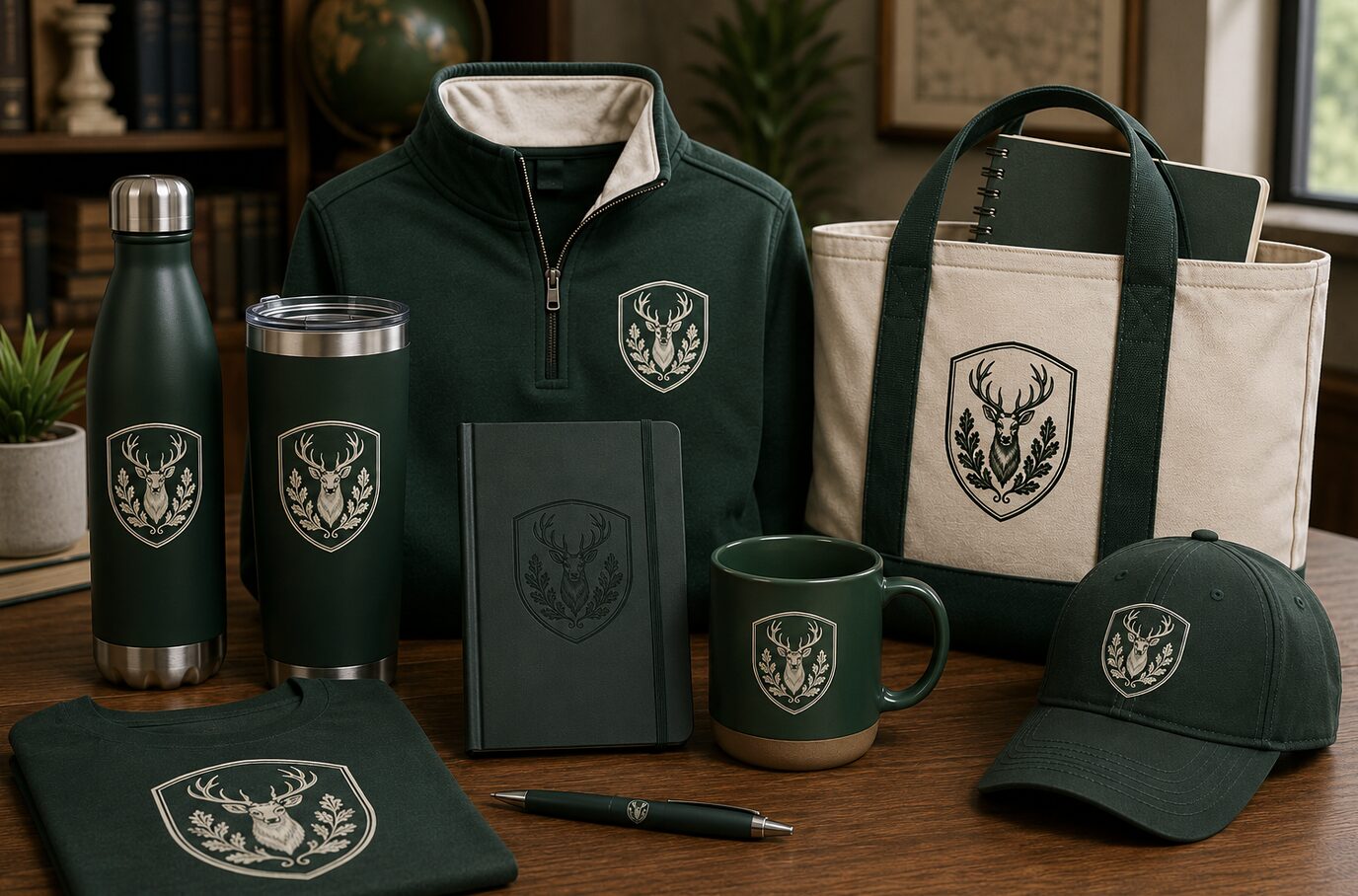
Start with a soft T-shirt or dad hat. Not stiff box-store cotton. Not a shirt that feels like it was screen-printed in 1998. A truly wearable piece of merch. Bonus points if it includes your school verse or motto in a clean, modern font that students actually want to wear.
Think through color palette. Navy and cream. Forest and white. Colors that feel intentional, not loud. Wearables signal belonging. A shirt tells a child, “You are part of this community.” A hat tells a parent, “You belong here too.” This one item alone often becomes the anchor of the entire kit.

Give families something they will actually grab on a Saturday morning. That is the goal.
2. A Branded Item That Gets Used
Families do not need another plastic keychain. They do not need another flimsy water bottle that leaks the first time a child drops it. They need something practical, durable, and worth keeping.
A stainless steel tumbler with a minimalist crest. A magnet for the fridge with important school dates printed beautifully. A lunchbox tag that will survive an entire year of chaos. These items work because they live inside the family’s daily rhythm.
The best welcome kits have one hero item. One piece everyone comments on. One thing that parents keep using long after orientation week. That is the difference between noise and value.
3. Mission-Driven Messaging
This is the heart of the kit. The moment where you speak directly to a family’s hopes and fears. It should not feel corporate or formulaic. It should sound like your school.
Include a card with a short message from the principal or head of school. Something warm. Something pastoral. Something confident. Talk about partnership. Formation. Joy. The year ahead. And yes, include the calendar too. Families need it. Just don’t bury them in paperwork.
You can also include a single-page “What we value here” insert. Short. Simple. Clear. The goal is to help families understand the heart of your school without handing them a grayscale handbook.
4. An Internal Invite
This is where your welcome kit turns into a relationship-building tool.
A QR code to a welcome video recorded by leadership. A list of parent Facebook groups or communication platforms. A simple insert titled “Three ways to get plugged in this fall.”
You’re not just giving families information. You are guiding them toward community. Parents who feel connected stay longer, volunteer more, and speak positively about your school. A welcome kit can spark that sense of belonging before the first bell ever rings.
5. A Moment of Delight
Every great welcome kit needs one unexpected item. Something small but memorable. A sticker sheet with school icons. A bookmark with artwork from students. A branded pencil pouch. Something that makes a child smile or a parent stop and think, “They did not have to include that, but I’m glad they did.”
Delight is not expensive. Delight is thoughtful.
6. Packaging That Feels Like a Gift
A plastic folder sends a message. A branded box with tissue paper and a welcome card sends a very different one. Presentation is not fluff. Presentation shapes emotion. When a family opens something that feels curated, it builds trust. It tells them, “If they care about the small things, they probably care about the big things too.”
This is where many schools fall short. You can have great items inside, but if they’re tossed loosely into a bag, the moment is lost. Families remember how they felt when they opened it. That is the power of packaging.
7. Build for Longevity, Not Just Day One
A welcome kit that only impacts the first week is fine. A welcome kit that impacts the entire year is better. Look for items that get used repeatedly. Look for inserts families stick on their fridge. Look for messaging they return to when the school year gets busy.
This is not merchandising. This is formation.
Want your next welcome kit to feel premium, mission-aligned, and impossible to forget? The Branded Merch Playbook shows you exactly how to choose products that work, build packaging that impresses, and create a welcome experience families talk about all year.
Get the Playbook
8. Want to Go Beyond a Plastic Folder?
If you want your welcome kit to feel special, not standard, start thinking in terms of experience, not items. Think textures. Think opening moments. Think about the feeling you want to create in the room. A great kit becomes a memory.
👉 Here’s how to build an unboxing experience that families remember.





0 Comments