
Trying to raise money with spirit wear? Great idea—but most schools leave thousands of dollars on the table because they get three things wrong: the products, the pricing, and the promotion. Fundraising merch can be a powerful engine for community pride and revenue, but only if it’s built with intention. When families feel like the store is an afterthought, sales stall. When the items feel curated, wearable, and mission-centered, the store becomes a legitimate revenue driver.
Before we dig into the three mistakes schools consistently make, here’s something that will shortcut your entire process and help you build a store that actually earns.
If you want your merch to generate real fundraiser dollars—not pocket change—the Branded Merch Playbook shows you exactly which products work, how to price them, and how to design them so families actually buy. It’s the fastest way to build a high-margin store without guessing.
Get the Playbook
Most schools assume fundraising merch is a simple equation: order shirts, upload designs, share a link. But the truth is more strategic—and much more profitable—when you understand what moves families to buy in the first place. People don’t purchase merch out of obligation; they purchase when the items look good, feel good, and reflect their school’s identity. When the offering isn’t compelling, no amount of deadline pressure or announcements will fix it.
Let’s break down why most fundraising-based spirit wear stores underperform and how to fix each issue so your next drop actually raises real money.
1. Poor Product Selection
If your merch is generic, clip-art heavy, or buried under 20–30 random options, it’s going to flop. This is the biggest and most predictable reason fundraising stores fail: too much choice, not enough desire.
A strong merch lineup is tight, intentional, and easy to understand. When parents open the store page, they shouldn’t feel overwhelmed. They should immediately see 5–8 high-quality, well-designed items that make them think, “That’s actually nice—I want that.”
Why this matters:
• Decision fatigue kills conversions
• Cheap-feeling products decrease trust
• Kids won’t wear items that look uncool
• Parents won’t reorder items that feel cheap
• Overstuffed stores dilute the good items you *do* have
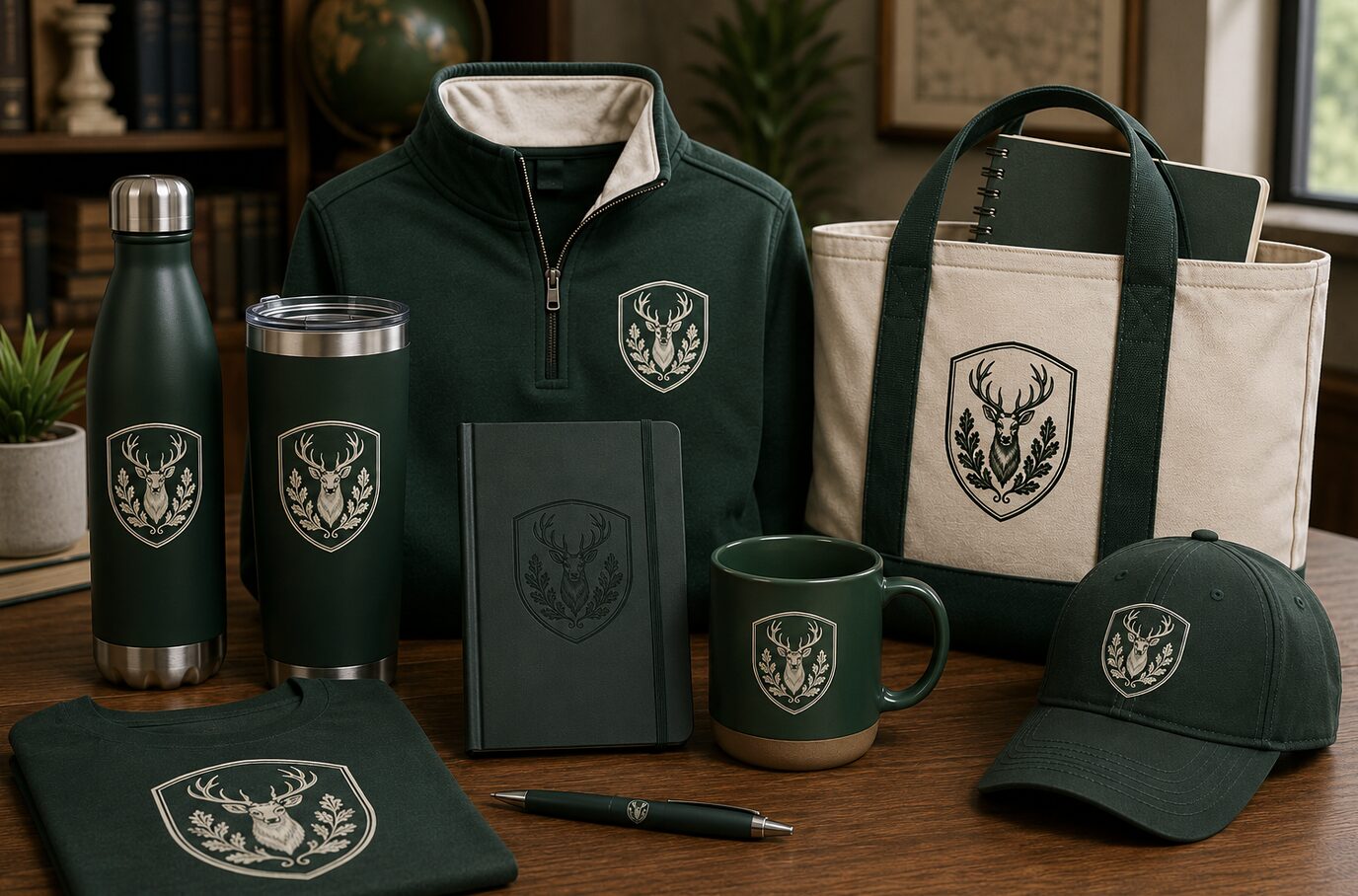
The fix is straightforward but requires courage: curate ruthlessly. The best-performing fundraising stores center around items families use every day—hoodies, tumblers, water bottles, decals, PE shirts, hats. Not 27 variations of each. Just the strongest ones.
Think of it like building a capsule wardrobe instead of a clearance rack.
2. Low Margins, No Strategy
This is the part no one likes to admit: you can’t raise meaningful money with $5 shirts marked up $3. The math just won’t get you where you want to go. A playground, new uniforms, classroom tech—these require real margin, not spare change.
For fundraising merch to work, you need:
• The right products (higher perceived value = higher margin)
• The right pricing strategy (not inflated, just smart)
• The right vendor (bulk discounts + print quality matter)
• A promotional window that builds urgency
• Clean, mission-centered design that increases willingness to buy
Most schools think margin only comes from pricing things higher. But true margin comes from selecting products that naturally command more value: laser-engraved tumblers, premium hoodies, PE shirts that feel good, well-designed hats, minimalist decals. Families will pay $30–45 for items that feel like *actual merchandise*, not generic swag.
The other half of strategy is communication. If families understand the money is going directly toward something specific—“new playground surfacing,” “updated library furniture,” “scholarship fund”—their purchase becomes emotional, not transactional. That’s when margins start to scale.
3. Weak Promotion
Most schools quietly drop the store link in an email and hope for sales. It’s the equivalent of whispering, “Hey, merch is up…” into a crowded hallway and wondering why no one heard you.
Spirit wear sales depend on momentum. You need:
• A launch announcement
• Visual previews before the store opens
• Teacher/staff modeling
• Social media teasers
• Parent group engagement
• A short purchase window
• Reminder emails
• A hard, visible deadline
A fundraising merch store without hype is like a carnival without lights. No one knows it’s happening.
Parents are busy. Students are distracted. You cannot rely on one email. Instead, build a mini-campaign around your store. Show photos of the items. Use countdown graphics. Have a teacher wear the new hoodie in a morning announcement. Make the store feel like an event, not an errand.
If you’re going to raise money, you need energy—and energy comes from planned hype, not passive hope.
What High-Performing Fundraiser Stores Do Differently
After helping dozens of Christian schools relaunch their merch strategy, the schools that consistently generate real revenue share four habits:
They design with mission in mind.
Not just mascots. Not just school colors. But mission, verse references, values, tone, and identity.
They curate premium-feeling items.
A hoodie should feel soft, not stiff. A tumbler should feel engraved, not printed. A decal should feel crisp, not cheap.
They communicate like it matters.
The campaign has a beginning, middle, and end. No quiet launches.
They value consistency over chaos.
Same fonts, same colors, same vibe. Identity always beats noise.
How to Build a Fundraising Store That Actually Raises Money
Here’s a simple formula you can adopt immediately:
1. Start with 5–8 products max.
One hero hoodie, one premium tumbler, one water bottle, one hat, one decal, one PE shirt. That’s a complete store.
2. Make the designs modern.
Clean lines. Strong typography. Mission-forward statements. Nothing that looks like clip-art.
3. Use a clear visual preview strategy.
Mockups sell. People need to see how it looks on a student, teacher, or parent.
4. Create a specific fundraising goal.
“This merch drop funds new playground benches” sells better than “All proceeds go to the school.”
5. Launch hard. Close fast.
Open for 10–14 days. Drive urgency. Push weekly reminders. Countdowns matter.
The Bottom Line
Fundraising merch isn’t complicated, but it is strategic. When you choose the right items, build the right hype, and design pieces families actually want to use, the store transforms from a low-return fundraiser into something that meaningfully supports your school.
Want to know why most fundraising merch stores fail—and how to fix yours?
👉 Read the full guide here.






0 Comments