
Screen printing is the default for most school merch—and for understandable reasons. It’s familiar, inexpensive, widely available, and easy for vendors to produce quickly. If you’re printing a hundred field-day shirts or outfitting a volunteer team, screen printing gets the job done.
But if your goal is merch students and staff actually keep, wear, and reach for week after week, screen printing may not be your best long-term strategy.
The truth? Most schools rely on screen printing because “that’s what we’ve always done,” not because it delivers the highest-quality experience. And when the finished product cracks, peels, or feels stiff, it doesn’t just look bad—it affects how people perceive your school’s brand.
Let’s break down why screen printing is often overused, where it still works, and when upgrading your decoration method creates a massive jump in wearability and value.
Make Your Swag Impossible To Ignore
The Branded Merch Playbook reveals how schools, clinics, and organizations create high-impact kits without blowing their budget. Learn which products work, which ones flop, and how to design merch that clients, families, or staff actually remember.
Get the Playbook1. It Doesn’t Age Well
A fresh screen print can look great. But after a few washes—especially when the ink is laid on thick—the problems start to show.
Common issues include:
- Cracking across larger print areas
- Fading in high-friction zones like the chest or sleeves
- Peeling if the ink wasn’t cured properly
- Stiffness that only gets more noticeable over time
This is fine for a one-off event shirt: a missions trip, a field day tee, or a summer camp souvenir. But for spirit wear? For hoodies you want students to wear proudly outside of school hours? For staff gear that represents professionalism?
Not ideal.
When a print looks worn out after a month, the shirt stops functioning as a brand touchpoint. And if the hoodie starts cracking after the first semester, it’s not getting passed down to the next sibling. Worse, it begins to make the merch feel cheap—even if the garment itself is high-quality.
2. Texture Can Be a Dealbreaker
Ask any student why they “don’t really wear that one shirt,” and you’ll almost always hear some version of:
“It feels weird.”
Big chest prints, heavy ink coverage, or plasticky textures make shirts uncomfortable—especially in warmer months or during activities. When a shirt traps heat or feels like there’s a large sticker on the front, it’s not going to become anyone’s favorite.
Students want:
- Soft fabric
- Minimal texture
- Designs that feel like they came from a modern apparel brand
If the decoration method fights against comfort, the shirt never makes it into the weekly rotation. And if students don’t want to wear it outside school hours, you lose out on organic visibility.
3. There Are Better Alternatives
The good news: decoration options have evolved. You don’t have to choose between “cheap screen printing” and “expensive embroidery.” There’s a whole range of mid- and high-tier choices that look modern, feel great, and last far longer.
Some standout options:
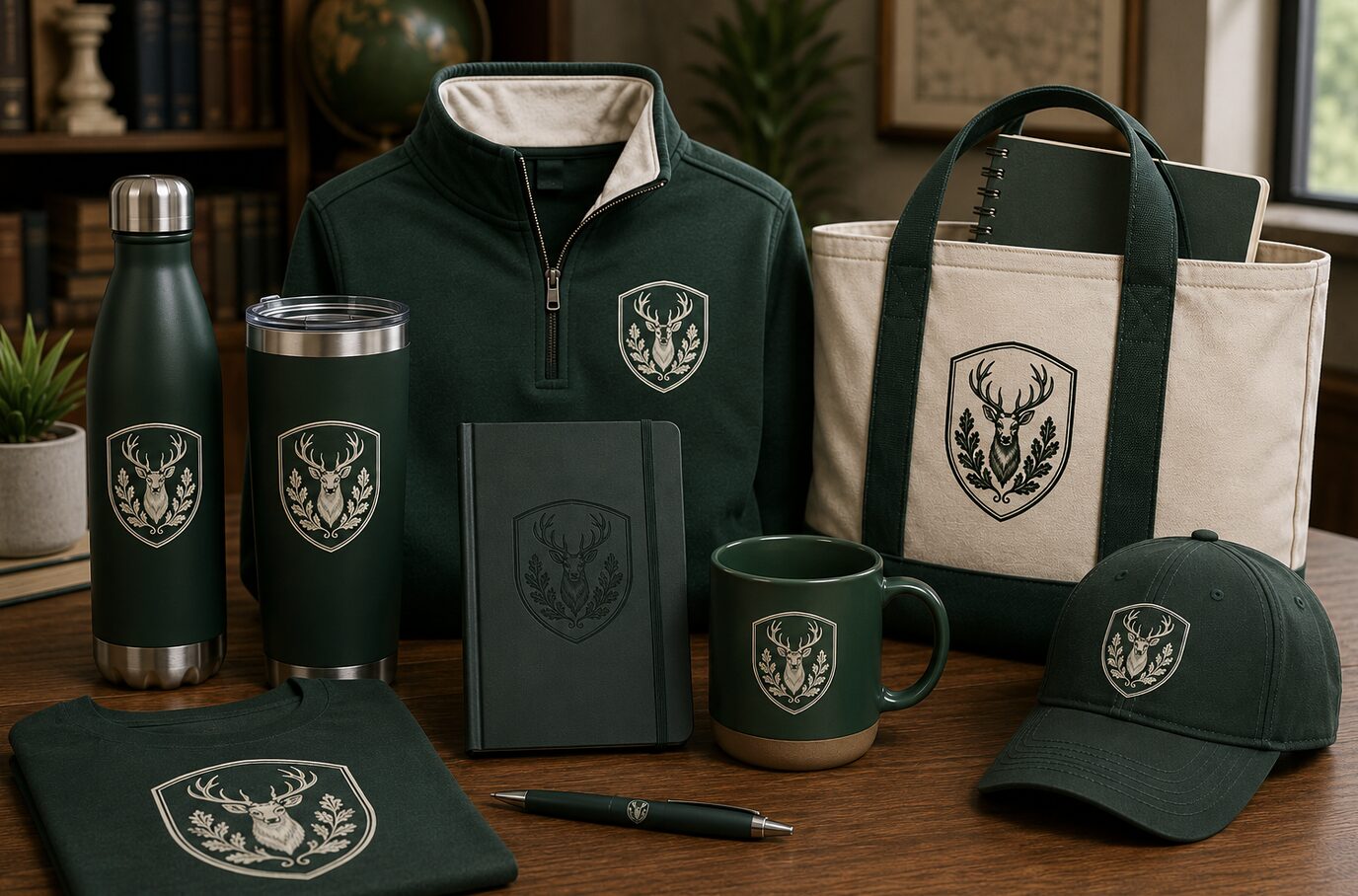
- Tone-on-tone embroidery
This instantly upgrades any hoodie or quarter-zip. Navy thread on navy fabric. Cream on sand. Black on black. It looks subtle, clean, and actually increases wear time because it blends into everyday wardrobes. - Woven patches
These create structure and visual interest without the heavy feel of a full print. Great for house crests, honor roll merch, or staff appreciation pieces. - Chenille patches (for limited drops)
Think varsity jacket vibes. Plush texture, high perceived value, limited-edition feel. Students love these for hoodie drops tied to big events or spirit weeks. - Heat-transferred print (vinyl or screen-printed transfers)
Useful for small quantities or detailed artwork. When done right, it’s flexible and long-lasting—not plasticky. - Direct-to-garment (DTG)
Best for intricate designs with multiple colors. Works beautifully on cotton garments for small-batch or rapid-turnaround items.
Each of these methods focuses on comfort, longevity, and premium feel—three things screen printing struggles to deliver consistently.
4. The Perception of Quality Matters
School merch isn’t just fabric and ink. It’s identity. It’s pride. It’s messaging.
When someone puts on your hoodie, they’re making dozens of subconscious judgments:
- Does this feel like something I’d choose on my own?
- Does this look modern or outdated?
- Is this the type of design I’d wear outside school?
- Does this represent who we are?
A cheap-feeling print sends the wrong message. A premium decoration method communicates care, attention, and excellence—all things families want to associate with your school.
You don’t need to break the budget to upgrade your merch. Even small tweaks in decoration choices create a big improvement in perception and wearability.
5. When Screen Printing Still Makes Sense
To be fair: screen printing isn’t the villain. It just needs the right use case.
Good times to use screen printing:
- Large group events
- Volunteer teams
- Walkathons or fun runs
- VBS programs
- Field days
These are high-volume moments where cost and speed matter more than longevity.
But for anything meant to represent your school beyond the event? It’s worth choosing a method built for comfort and durability.
6. Why Longevity Matters So Much
The longer someone wears your merch, the more powerful it becomes.
A hoodie worn twice per week for two years?
That’s over 200 brand impressions from a single item.
A tee worn only once because the print feels stiff?
Barely counts.
This is why investing in better decoration methods actually pays off. Premium merch reinforces values. Spark conversations. Builds culture. And creates long-term visibility.
7. Don’t Forget the Wearer Experience
The best merch answers one question:
“Would someone choose this if it didn’t have our logo on it?”
If the answer is yes—you nailed it.
If the answer is no—it’s time to rethink decoration, fabric, and design choices.
Want to Avoid the Common Merch Mistakes?
Take a deeper dive here:
Don’t Just Slap a Logo on It: How to Create Branded Merch People Actually Want
It breaks down exactly why generic merch fails, what great brands do differently, and how to build kits that feel premium without overspending.
The Bottom Line
Screen printing is useful. But it’s not always the best tool for the job.
If you want merch that builds pride, gets worn regularly, and represents your mission with excellence, choosing the right decoration method matters just as much as the design itself.
Need help picking the right decoration method for your next merch run? Let’s talk through your options.







0 Comments