
In classical schools, it is often spoken about the formative power of culture. We know that beauty shapes affections, repetition cultivates virtue, and that children absorb not just what we teach—but how we live. And yet, when it comes to our merch tables, spirit stores, and swag items, we often default to the lowest common denominator: clip art mascots, cheap shirts, and unexamined slogans.
But here’s the hard truth:
Your merch is part of the curriculum. Whether you realize it or not, your spirit store is forming the hearts, tastes, and imaginations of your students and families.
It’s time to stop treating branded apparel and swag as “extras” and start seeing them for what they really are—a quiet but powerful signal of your school’s values. In this expanded look at merch through a classical lens, we’ll explore:
- What merch teaches without words
- Why beauty and design matter in formation
- The difference between expressive and formative merch
- How to evaluate your current spirit store through the lens of mission
- How curated, intentional merch strengthens culture over time
The Hidden Curriculum of Your Merch Table
In classical education, we often speak of the hidden curriculum: the lessons students absorb not from textbooks, but from tone, atmosphere, habits, and expectations. Merch is no different. It carries what we call the “Implied Curriculum of Merch.”
Every item communicates something:
- What’s considered worthy of celebration (Which events get shirts? Which virtues get printed?)
- What beauty looks like (Is design thoughtful, restrained, and meaningful—or chaotic and trendy?)
- What we believe about identity (Are shirts about house virtues, school mottos, tradition—or just pop culture?)
When students see cheap merch with hurried design, they learn something about what their school prioritizes. When parents see staff wearing mismatched, low-quality apparel, it communicates a fractured identity. And when alumni visit your spirit store and see nothing tied to your ethos of truth, goodness, and beauty, the disconnect is felt—even if not spoken.
That’s the real cost of “throw something together.”
Beauty Matters—Even on a T-Shirt
Beauty is one of the pillars of classical formation. It’s not optional—it is part of the moral architecture of your school. From classroom icons to literature choices, from chapel liturgies to the posters on the wall, beauty shapes desire.
So why should merch be exempt?
When your shirts, hats, and totes feature:
- well-balanced typography,
- intentional symbolism,
- a coherent color story,
- and meaningful mottos,
you reinforce that truth and beauty belong together—even in the ordinary.
When merch is sloppy or trend-chasing, you communicate the opposite: that beauty is secondary, optional, or unimportant. But in a classical school, nothing could be further from the truth.
Formative vs. Expressive Merch
We must distinguish between two types of merch that schools often mix up:
| Expressive Merch | Formative Merch |
|---|---|
| Inside jokes, pop culture, meme references | Latin mottos, house identity, virtues, traditions |
| Reflects passing trends | Reinforces timeless values |
| Often student-driven | Mission-driven with faculty oversight |
Expressive merch isn’t “bad.” Humor and creativity have their place. But expressive items should never outweigh formative ones.
Formative merch is where identity is shaped—or distorted. Schools that embrace formation intentionally should treat merch as one of the simplest and most accessible tools to reinforce mission.
Because students wear what shapes them. And they are shaped by what they wear.
Audit Your Spirit Store: 5 Questions to Ask
Here’s a quick diagnostic tool for your leadership team, faculty, or parent guild:
- Does this item reflect our mission? Could someone unfamiliar with our school discern anything true about our culture from this design?
- Is it beautiful? Not cute. Not trendy. Beautiful.
- Is it timeless? Will it still make sense—and still look excellent—in 3–5 years?
- Does it form affections? Does it teach students to love what is worth loving?
- Would our head of school proudly wear it? If not, it doesn’t belong in the store.
And if you want a visual benchmark, browse examples of what other classical schools are doing:
www.brnd.agency/gallery
How Merch Becomes a Cultural Force
If you want merch to actually strengthen your culture—not weaken it—here’s what needs to shift:
- Move from “random items” to curated collections.
- Use house systems, mottos, and virtues to guide design themes.
- Create seasonal or event-based drops that reinforce story and rhythm.
- Stop letting outside vendors dictate style.
- Build a visual identity that honors your classical distinctives.
When merch becomes a curated extension of your liturgy of learning, students begin to expect—and desire—beauty.
Where Schools Go Wrong
Most mistakes fall into three categories:
1. Too Trendy
Trends feel exciting for a moment and embarrassing a year later. Classical schools should resist the urge to chase cultural relevance.
2. Too Generic
If your merch could belong to any school anywhere, it’s not doing its job. Your visual identity should not be interchangeable.
3. Too Much Variety, Not Enough Quality
A cluttered merch table is not a sign of abundance—it’s a sign of confusion. Curation is formation.
The Culture-Shaping Opportunity
And now, the part many schools miss:
Your spirit store shapes more culture than your mission statement.
Why? Because students engage it daily. They wear it. They feel it. They see it on their classmates, siblings, teachers, and parents. It becomes a distributed visual identity that lives far beyond your campus.
That’s why beauty, mission alignment, and thoughtful design matter so deeply.
Make Your Swag Impossible To Ignore
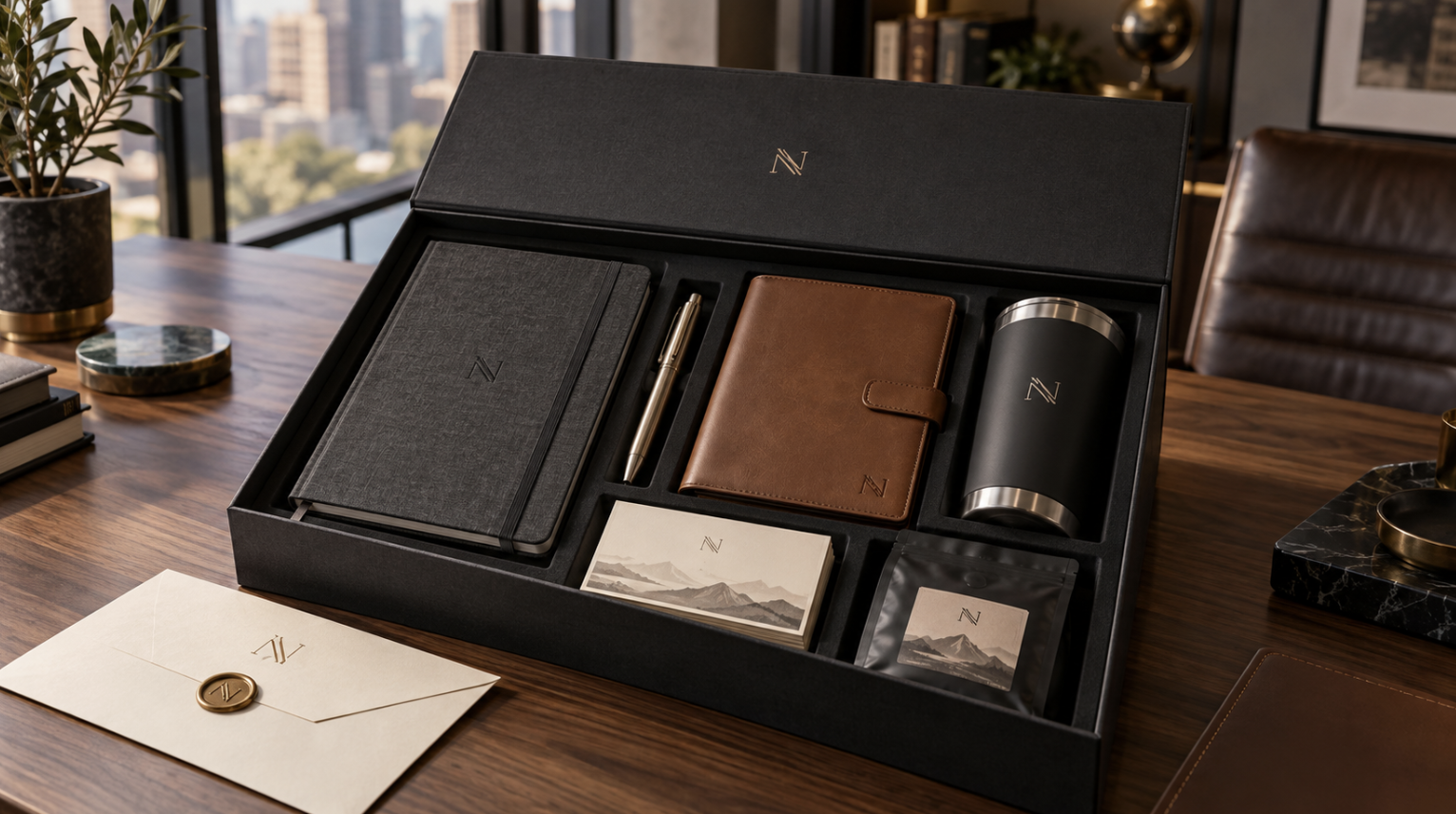
The Branded Merch Playbook reveals how schools, clinics, and organizations create high-impact kits without blowing their budget. Learn which products work, which ones flop, and how to design merch that clients, families, or staff actually remember.
Get the PlaybookFormation Is a Whole-School Effort
Your merch shouldn’t contradict what you teach. It should harmonize with it. That includes:
- Your website design
- Your admissions experience
- Your house system
- Your athletic branding
- Your feast days and traditions
- Your faculty attire and tone
Consistency communicates integrity. When all touchpoints match, families feel it—and trust grows.
Start Curating, Not Just Creating
Most spirit stores feel like a random collection of items. But a classical school’s store should feel like an extension of its worldview.
Start by:
- Reducing clutter and removing low-quality items
- Designing collections tied to virtues, houses, feast days, or mottos
- Partnering with designers who understand classical aesthetics
Your store doesn’t need more. It needs meaning.
Merch That Shapes, Not Just Sells
Your spirit store is not a fundraiser. It is a formation tool.
It’s an opportunity to:
- Reinforce virtue
- Celebrate beauty
- Strengthen identity
- Cultivate belonging
- Model taste, restraint, and intentionality
Stop asking “What will sell?”
Start asking “What will shape?”
When you do, your store becomes a cultural powerhouse.
Ready to Reinvent Your Spirit Store?
If you’re ready to align your merch with your mission, browse real examples here:
👉 www.brnd.agency/gallery
Or reach out and we’ll help you build a merch kit that forms, not just informs.





0 Comments