
If you work in estate planning or business law, you already know the strange paradox of the entire profession. Clients pay you thousands of dollars… for things they can’t touch. A revocable trust. A buy-sell agreement. An operating agreement with twelve signatures and zero pictures. It’s all words, paper, and promises. Necessary, yes. Tangible? Barely.
And that’s where the trust gap shows up. When clients can’t physically experience the value they’re buying, they start searching for proof in everything else. Tone of voice. Email cadence. Whether your office smells like confidence or sadness. The pen you hand them when they sign engagement letters. Even the welcome packet they get on day one.
Law is intangible. Trust is not.
The Strange Power Of The Tangible
Every attorney who’s been around the block knows the sinking feeling when a client says, “So… what exactly am I paying for?” They’re not being rude. They just can’t hold your work the way they can hold a new set of car keys or a repaired roof.
Physical touchpoints fill that void.
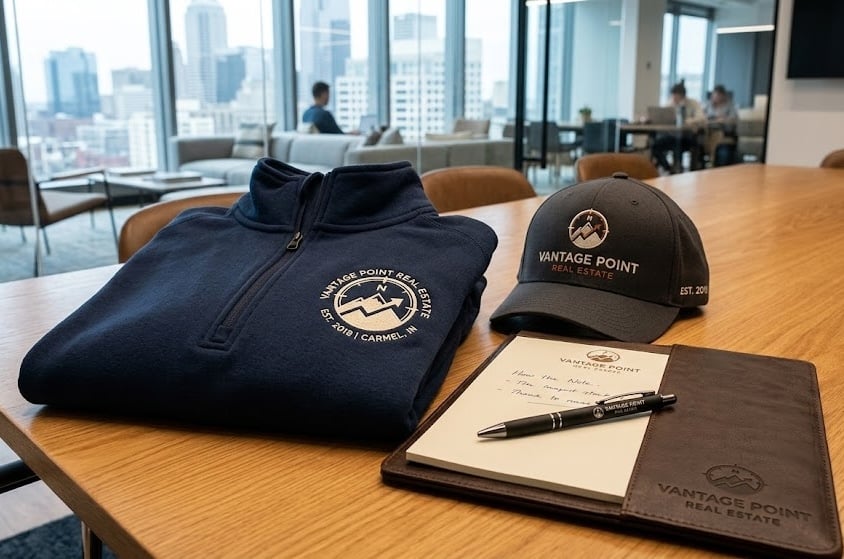
The twist? They don’t even have to be expensive. They just have to be intentional. A beautiful welcome folder. A laser-engraved pen with weight and confidence. A branded accordion file that helps clients keep their estate documents in one place instead of the black hole they call a junk drawer.
These tiny things don’t just sit on a desk. They signal stability. They reinforce your professionalism long after your meeting ends. They make your work feel real.
Why Estate Planning And Business Law Need This More Than Most
Estate planning is emotional. Business law is protective. Neither is something people buy casually. They’re buying confidence. Certainty. Peace of mind that sits deep in the gut.
The problem is your value is buried in pages and signatures. Pages they may never read. Signatures they barely remember. So physical items become anchors. When a client walks out with a sleek binder or a branded USB drive holding their digital documents, the work becomes tangible. It becomes theirs.
And here’s where gifting, onboarding kits, and branded materials matter far more than most lawyers realize. They don’t just create a moment. They create a memory.
Want A Shortcut To Better Client Experience?
The Branded Merch Playbook shows how firms, schools, clinics, and organizations use physical touchpoints to boost trust and retention. If you want examples that don’t feel salesy, plus ideas you can swipe for your own practice, grab the guide and use it to upgrade your onboarding from forgettable to strategic.
Get the Playbook
The Psychology Behind “Weight Equals Worth”
There’s a reason luxury packaging feels heavy. There’s a reason high-end pens have metal bodies instead of plastic. The human brain equates weight with value, permanence, and seriousness.
When a client picks up a branded legal folder that feels sturdy, something clicks. They feel like they’ve invested in something substantial. Even if the folder is holding digital-login instructions and a checklist, the presentation changes their perception.
This is the same reason premium welcome kits show up in the corporate world. In fact, many law firms borrow inspiration from corporate onboarding strategies similar to the ones described in this guide on meaningful welcome kits. When something feels curated, it feels trustworthy.
Tangible Items Calm Client Anxiety
Weirdly enough, physical objects often reduce client stress more effectively than another email, another meeting, or another page of clarifications.
Here’s what clients actually want from you:
- A sense that their future is under control.
- A clear reminder that they hired the right firm.
- Something that tells their nervous system, “You’re good. This is handled.”
A high-quality binder or document case becomes a symbol. A touchstone. Something they grab when they need reassurance.
Even something as simple as an embossed notecard inside their onboarding kit can change the tone of the entire relationship. Tangibility reduces uncertainty. Always.
The Subtle Art Of Physical Proof
Physical proof works especially well in legal because the industry is built on promises. You promise to protect their assets. You promise to structure their business for success. You promise to safeguard their family’s future.
When people can’t see the work happen, they rely on physical cues.
Some of the best-performing estate planning firms use:
- Beautifully branded client folders
- Simple but premium pens clients keep
- Personalized letterhead for major documents
- Magnetic-close boxes for completed estate packages
None of this replaces expertise. It amplifies it.
And if your touchpoints are cohesive instead of chaotic? You’ve instantly separated yourself from every firm still handing over stapled packets from a box store printer.
For inspiration on building touchpoints that don’t feel overdone, many firms study examples like the ones featured in this breakdown on trust-building swag from medical environments. Different industry, same psychology. People believe what they can touch.
How To Choose Touchpoints That Reinforce Your Firm’s Identity
This is where most attorneys get stuck. They default to cheap swag because it feels safe. But low-quality items don’t create confidence. They create doubt. Clients start wondering, “If the stuff I can see feels cheap, what about the stuff I can’t?”
Here’s the good news: you don’t need a big budget.
You need alignment.
Match items to the qualities you want clients to feel:
- Stability: Choose structured, durable materials.
- Clarity: Keep designs minimal and modern.
- Professionalism: Think tone-on-tone, not giant logos.
Even a simple notepad with your branding can communicate restraint and precision when it’s done right. And if you want to see how event-specific or educational touchpoints work seamlessly, the strategy behind orientation week merch offers a surprisingly relevant model for building long-term trust.
Touchpoints That Work In Estate Planning
Here are the items that consistently increase client satisfaction and perceived value:
- Document binders with section tabs
- Branded USB drives with digital copies
- Heavyweight welcome cards
- Magnetic-close boxes for trust or will packets
- Desk-quality pens that clients will actually use
- A simple, branded folder for annual reviews
These pieces sit in the client’s home or office. They stick around. They remind people of you before they ever think to Google another firm.
Touchpoints That Work In Business Law
Business owners love organization. They love clarity. They love the feeling of being put together. Use that.
Effective touchpoints often include:
- Startup kits for new LLC or corporation clients
- Branded document holders for contracts
- Clean, modern notepads used in strategy meetings
- Hardcover client binders for recurring engagements
- Mini desk kits with USB hub, notebook, and pen
These items say, “We’re buttoned up, so you can be too.”
The Real Reason Tangibility Matters
At the end of the day, clients aren’t judging your estate plans or contracts. They can’t. They’re not lawyers. They judge the things they can understand: the tone of your emails, the feeling of your office, the physical items they hold.
That’s the brilliance of physical touchpoints. They translate your invisible expertise into something visible. Something that feels like value. Something that reinforces the story your firm wants to tell.
Your Next Step: Make The Invisible Feel Solid
You don’t need to reinvent your practice. You don’t need to drown clients in merch. You just need a handful of intentional pieces that feel like your firm: steady, polished, trustworthy.
The more intangible your work is, the more important your tangible touchpoints become.
Confidence is built one physical moment at a time.






0 Comments