
Estate planning and business law don’t look anything like software. Clients aren’t signing up for monthly subscriptions or watching sleek onboarding demos with upbeat background music. Instead, they’re navigating family tension, financial stress, personal fears, or major business transitions. And while tech loves the phrase “client experience,” law firms often act like it’s optional.
It isn’t optional anymore.
In a world where professional services blend together and Google gives every firm the same square of search real estate, the experience you create is your differentiator. Not your logo. Not your tagline. Not even your years of expertise, because every competitor is claiming the same experience you are.
So the firms that win? They’re the ones designing client journeys the same way tech companies design user flows: intentionally, empathetically, and with friction removed at every step.
What Law Firm Clients Really Buy
Estate planning clients aren’t buying documents.
Business clients aren’t buying entity formations or operating agreements.
They’re buying:
- certainty,
- clarity,
- a sense of control,
- and the relief of knowing they’re not making a catastrophic mistake.
Which means your value isn’t delivered only in the drafting. It’s delivered in the moments wrapped around the drafting. The way you explain things. The structure of your materials. The tone of your communications. The emotional temperature you set the moment they walk through your door or click “schedule consultation.”
And yes, tech figured this out first. But law firms can leverage it even better, because your decisions literally affect people’s futures.
The Typical Law Firm Experience (And Why It Falls Flat)
If we’re being completely candid, most firms unintentionally overwhelm clients. They don’t mean to, but the pattern repeats across the industry:
- Emails with too many attachments.
- PDFs named “FINAL-v3-edited-FINAL.pdf.”
- Folders stuffed with documents but no guidance.
- Confusing next steps.
- Office experiences that feel cold or transactional.
Clients don’t know what to keep, what to sign, what to panic about, or what’s just informational fluff.
And the twist? The more overwhelmed they feel, the more they associate that feeling with your firm’s competence.
This is exactly why intentional client experience is your superpower. A thoughtful process doesn’t just feel better—it makes clients believe you’re better.
Experience Design Doesn’t Mean Fancy
Tech companies have inflated everyone’s idea of “good design.” People think it means movie-set offices, neon lights, glass walls, or robots named Baxter who bring coffee.
No. Experience design at its core means:
- predictable flow,
- clean organization,
- clear checkpoints,
- and touchpoints that reduce stress instead of adding to it.
For law firms, experience design looks nothing like Silicon Valley. It looks like:
- a clean onboarding email with next steps that make sense,
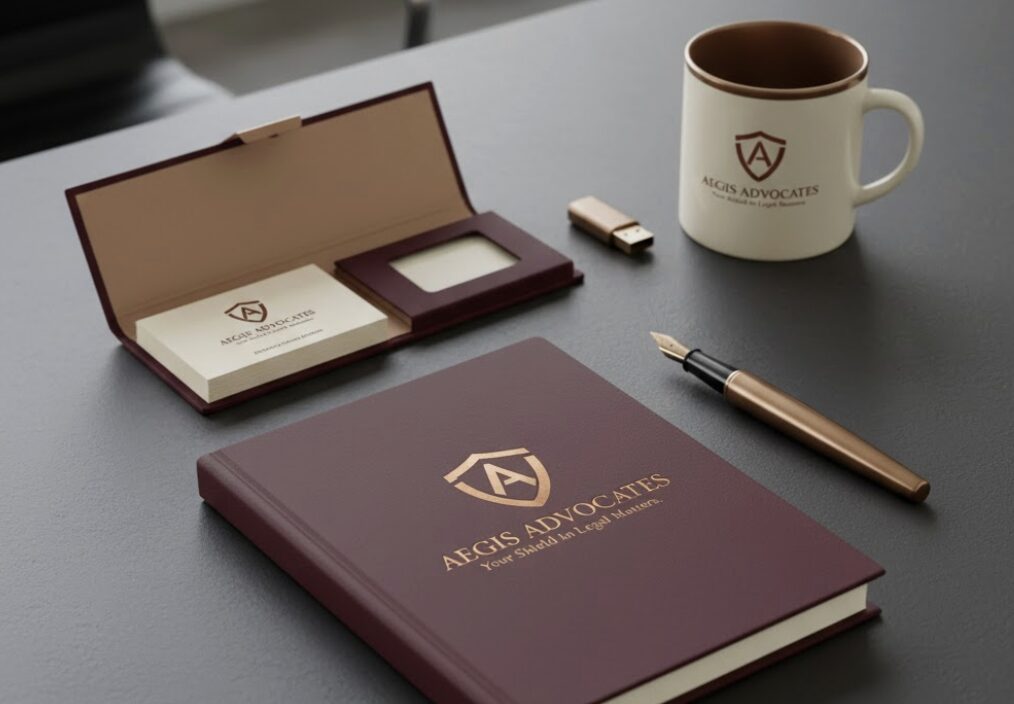
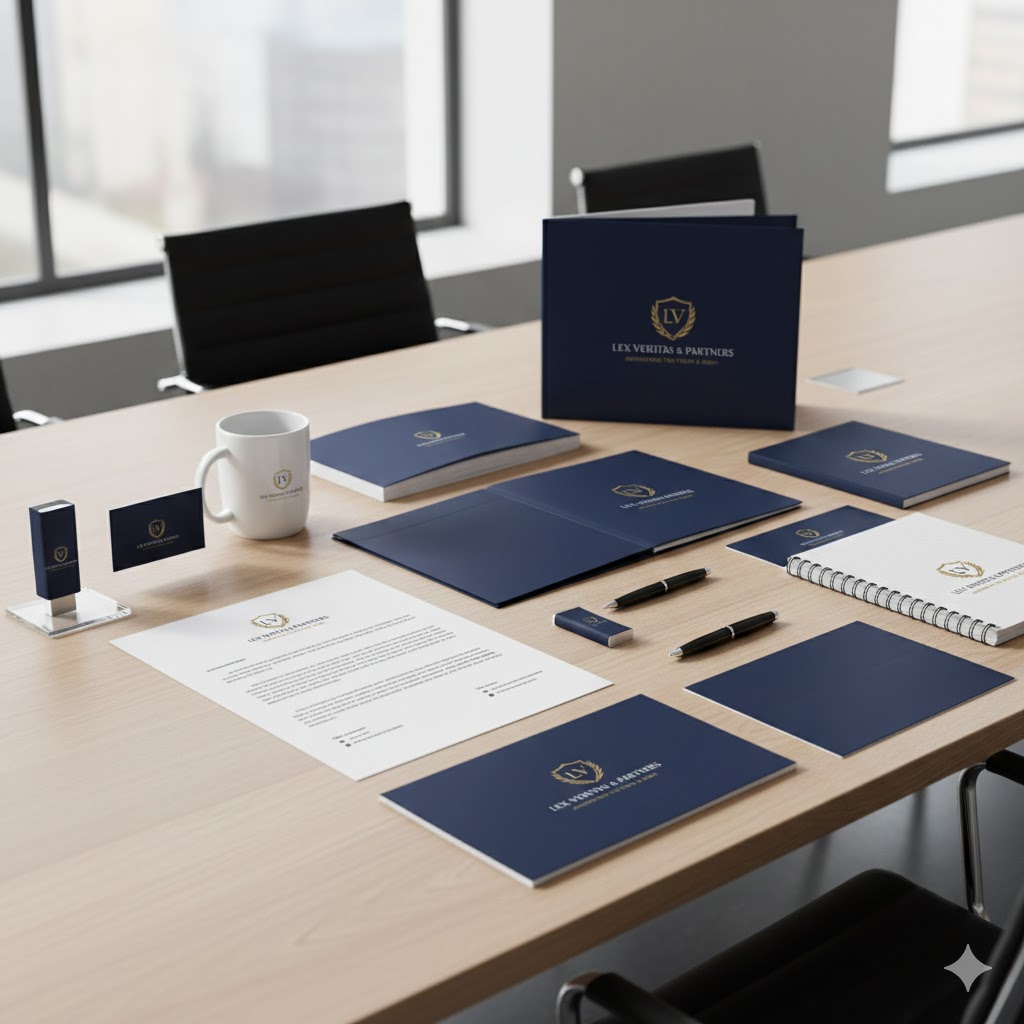
- a branded packet or kit that reduces overwhelm,
- materials written in plain English,
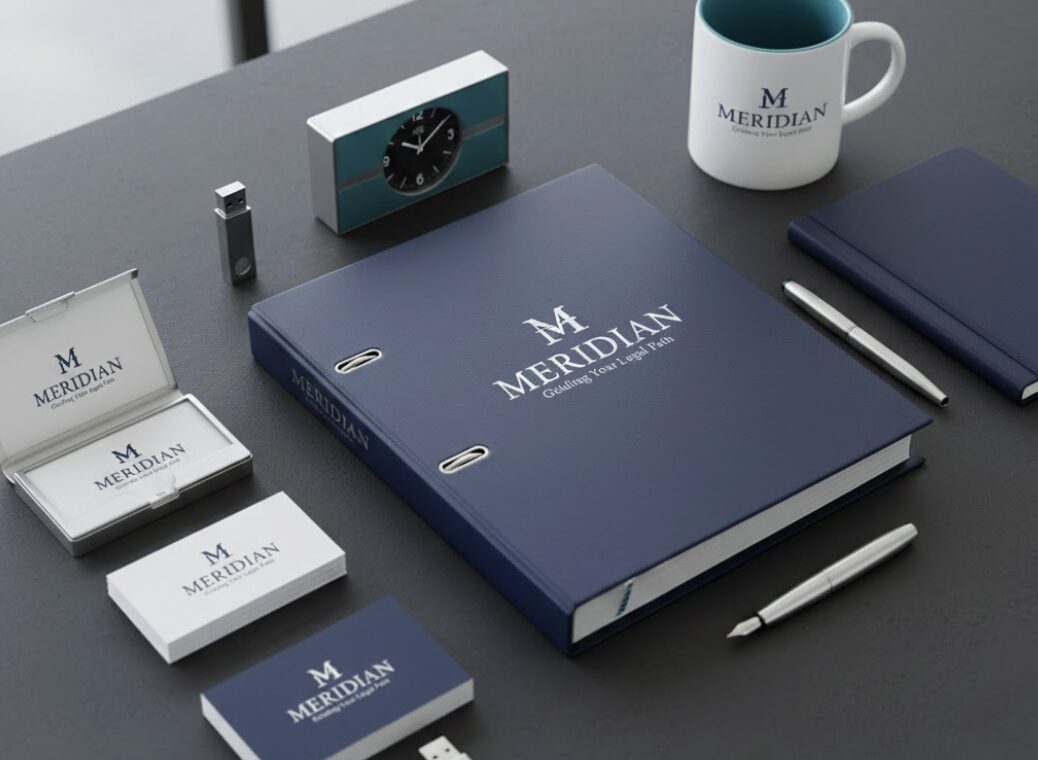
- a binder or folder system clients can navigate without calling you in a panic,
- a friendly but structured closing process that leaves clients with confidence instead of questions.
And if you want a deeper dive into how branded materials support this, The Ultimate Guide to Branded Merch for Law Firms breaks down how physical touchpoints shape trust far better than any online ad ever could.
The Call That Changes Everything
There’s a point early in the client journey—usually right after signing the engagement letter—where they shift from “nervous” to “I hope I picked the right attorney.” That moment is fragile. What happens next determines whether your client becomes:
- a repeat client,
- a referral source,
- or someone who quietly finds another firm next time.
Strong experience design fills that silence with clarity.
Get The Branded Merch Playbook
A practical guide to building the exact touchpoints—folders, binders, inserts, checklists, and welcome pieces—that turn stressed clients into confident ones. You’ll learn which items work, how to use them strategically, and how to avoid cheap-feeling materials that tank your brand.
Get the Playbook
Estate Planning Clients Need Emotional Clarity
Tech users want “easy.”
Estate planning clients want “safe.”
They’re making decisions tied to mortality, family dynamics, long-term care, tax exposure, and legacy. Their brains are overloaded, and overloaded brains can’t retain information.
Which is why your experience design must:
- be soothing, not sterile,
- offer structure, not complexity,
- avoid jargon unless absolutely necessary,
- and give clients something tactile that makes the plan feel real.
A well-designed binder or kit with labeled tabs, a plain-language overview sheet, a trust funding checklist, and a clear “what happens next” timeline changes how the client emotionally interacts with their plan.
They go from panicked to grounded.
From confused to oriented.
From intimidated to empowered.
That emotional shift is loyalty gold.
Business Law Clients Need Predictability
If estate planning clients need comfort, business clients need control.
They’re juggling risk, payroll, partners, lenders, investors, tax requirements, and strategic decisions that often move quickly. When they hire you, they want predictable systems—not heroic chaos.
Experience design for business clients looks like:
- a branded formation kit with the essential documents organized in a logical order,
- a compliance calendar they can stick on a wall or save as a PDF,
- a brief explainer booklet that outlines key responsibilities,
- a small contact card that clearly states when to reach out.
It feels like “legal clarity meets executive-level structure.”
They trust it instantly.
The Psychology Behind Good Experience Design
Experience design works because it taps into cognitive ease—the concept that when information feels organized and simple, people naturally trust it more.
Your clients’ brains are constantly scanning for:
- order,
- consistency,
- predictability,
- and emotional safety.
Disorganized materials create subconscious stress.
Clean, branded materials create subconscious trust.
It’s not fluff. It’s brain science.
Law Firms Who Embrace Experience Design Grow Faster
When you reduce friction in your process, clients:
- ask fewer stressed-out questions,
- feel more confident recommending you,
- come back for updates and future needs,
- believe they received premium service (even if your fee didn’t change).
Your documents didn’t magically improve. Your delivery did.
And delivery is what sticks in their memory.
Where BRND Fits In The Picture
You’re not a designer. You’re not supposed to be. But law firms now compete not just on legal accuracy but on clarity, presentation, and user friendliness.
That’s where experience design partners like BRND step in.
We help firms build:
- branded onboarding kits,
- estate planning binders and inserts,
- welcome materials,
- business formation kits,
- client-ready checklists and booklets,
- and systems that feel polished, consistent, and supportive.
It’s not decoration.
It’s operational branding—experience before aesthetics.
The New Baseline For Modern Firms
You don’t need futuristic software to upgrade your client experience. You need intentionality.
A clear process.
Clean materials.
Consistent branding.
And a journey that feels human, not transactional.
Tech companies may have popularized “experience design,” but law firms are the ones who can use it to create long-term loyalty—not just better onboarding statistics.
Clients don’t crave fancy. They crave clarity.
Give them that, and you stop competing on fees.
You start competing on trust.




0 Comments