
The first week at a new gym is weird.
People do not say that out loud, but everyone feels it. New routines. New faces. New equipment that somehow looks more complicated than it should. Even confident people get a little quiet during onboarding.
This is exactly why onboarding matters more than most gym owners think.
Not because of paperwork. Not because of waivers. But because this is the moment members decide how they feel about being there.
Great onboarding turns nervous energy into belonging. Bad onboarding turns excitement into quiet doubt.
Onboarding Is Not Orientation, And That Difference Matters
Orientation is informational. Onboarding is emotional.
Orientation tells people where things are. Onboarding makes them feel like they chose the right place.
Many gyms stop at orientation. A quick tour. A checklist. A schedule link. Good luck.
The gyms members rave about go further. They design the experience intentionally, knowing that first impressions harden fast.
The First Impression Window Is Shorter Than You Think
Members form opinions quickly. Sometimes within minutes.
Cleanliness. Staff energy. How questions are handled. Whether anyone remembers their name the second time they walk in.
These micro-moments add up. They create a gut-level feeling that no marketing campaign can undo later.
You cannot out-program a bad first week.
Clarity Reduces Anxiety Faster Than Motivation
Most new members are not unmotivated. They are uncertain.
They wonder where to stand. What to touch. When to show up. Who to ask. Whether they look out of place.
Clear onboarding removes friction. Simple next steps. Visible signage. Friendly repetition.
When people know what happens next, they relax. Relaxed people stay.
Why Physical Touchpoints Matter Early
Digital tools are useful. Physical items are grounding.
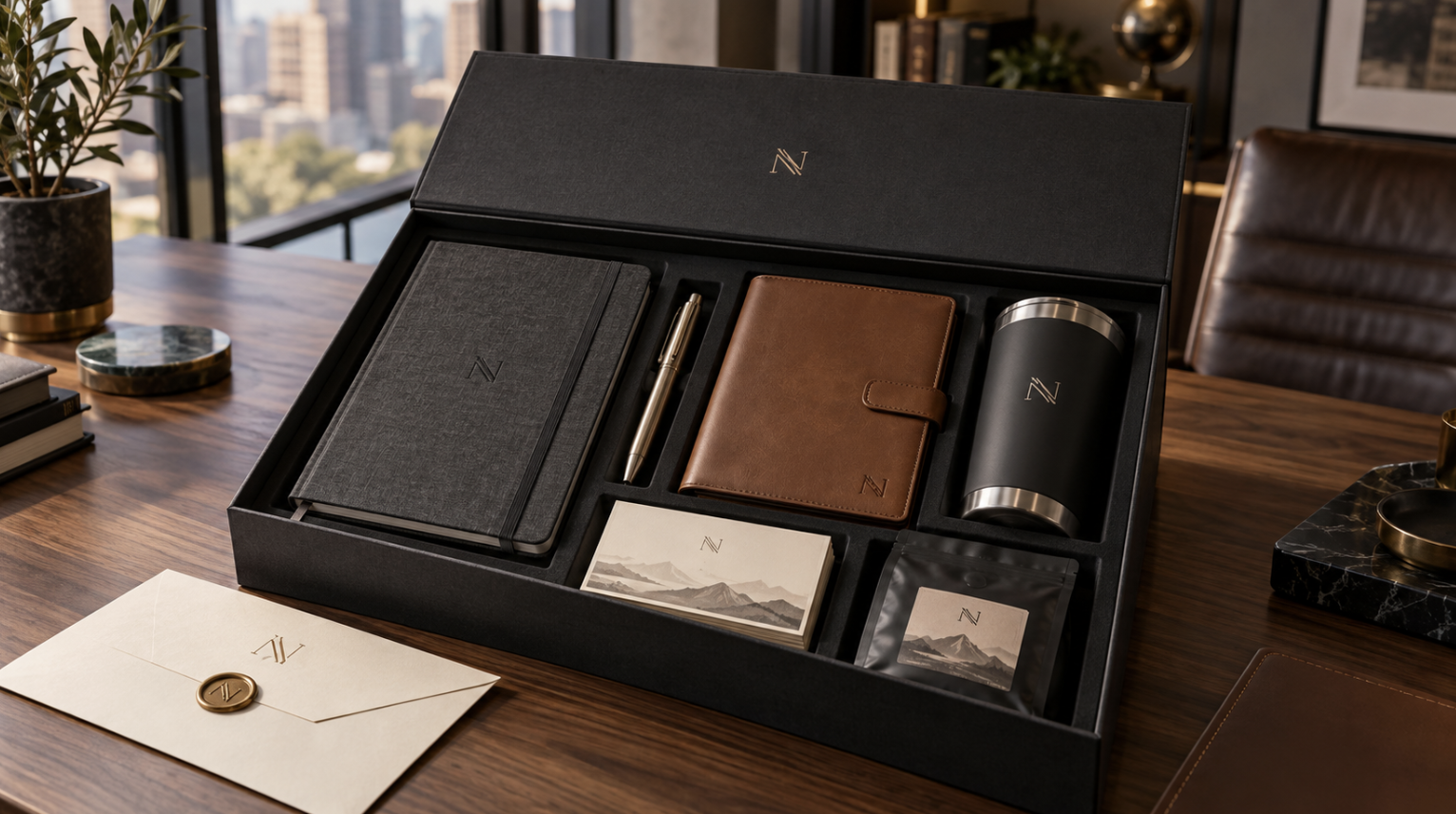
A printed welcome card. A simple folder. A small branded item that says, “You belong here.”
Physical touchpoints make the experience feel real. They anchor memory in a way emails never do.
This is the same psychological dynamic explored in physical touchpoints build trust. Tangible things shortcut uncertainty and build confidence faster than explanations.
Onboarding Is Where Merch Actually Makes Sense
Random merch racks feel optional. Onboarding merch feels purposeful.
A well-timed hoodie, tee, or bottle given during onboarding is not a sales pitch. It is a welcome signal.
It says, “You are part of this now.”
That emotional framing matters. Items received during meaningful moments get used more. Worn more. Kept longer.
This is one reason onboarding is such a powerful moment for branded items when done thoughtfully.
Stop Treating New Members Like Visitors
Visitors observe. Members participate.
The fastest way to improve onboarding is to shift language and behavior from guest mode to member mode.
Use names early and often. Invite questions without rushing. Introduce new members to staff, not just spaces.
People want to feel seen. Especially in environments that can feel intimidating.
Structure Creates Confidence, Not Rigidity
Some gym owners worry that structured onboarding feels corporate.
The opposite is usually true.
Structure reduces awkwardness. It gives staff confidence. It gives members predictability.
A clear first-week flow. A simple checklist. A follow-up touchpoint.
None of this removes personality. It frees it.
Get The Branded Merch Playbook
If you want onboarding touchpoints that actually get used instead of tossed aside, the Branded Merch Playbook lays out a practical framework.
It shows how gyms, studios, clinics, and organizations choose items that reinforce belonging instead of feeling promotional. You will see how to align merch with meaningful moments like onboarding, how to avoid common mistakes, and how to choose products that fit real life.
It also includes product guidance and pricing context so your onboarding experience feels intentional without becoming expensive or wasteful.
Get the PlaybookWhy Consistency Beats Grand Gestures
You do not need a dramatic onboarding experience. You need a consistent one.
Same welcome. Same tone. Same follow-up. Same expectations.
Consistency builds trust. Members notice when systems are reliable. It tells them the gym is run with care.
Flashy one-off gestures impress briefly. Reliable experiences build loyalty.
Staff Behavior Is The Real Onboarding Experience
No process survives bad staff energy.
If onboarding feels rushed, distracted, or transactional, members feel like an inconvenience.
If staff are calm, welcoming, and present, members mirror that energy.
Training staff on how to onboard is just as important as what the onboarding includes.
Follow-Up Is Where Most Gyms Drop The Ball
Onboarding does not end after day one.
A simple check-in after the first week. A quick message asking how things feel. A reminder of next steps.
These moments catch small issues before they become reasons to quit.
Silence after signup sends a message, whether intended or not.
Why Onboarding Sets The Tone For Retention
People stay where they feel comfortable.
A strong onboarding experience reduces churn by eliminating early uncertainty. Members who feel confident in week one are more likely to show up in week four.
This is not about motivation hacks. It is about emotional safety.
Merch As A Memory Anchor
A hoodie received during onboarding becomes associated with the beginning of the journey.
A bottle handed over with a smile becomes part of routine.
These items carry emotional weight because of when they are given, not just what they are.
That is why onboarding is one of the smartest places to integrate merch intentionally, not aggressively.
Design Onboarding For The Quiet Member
Not everyone asks questions. Not everyone speaks up.
Good onboarding anticipates silent confusion. Clear signage. Written next steps. Visible support.
If your onboarding only works for confident extroverts, it is incomplete.
What To Fix First
If members are not raving about onboarding, start small.
Clarify the first week.
Train staff on tone, not just tasks.
Add one meaningful physical touchpoint.
Follow up intentionally.
Onboarding does not need to be flashy. It needs to feel human.
When it does, members stop wondering if they belong.
They already know.





0 Comments