
Gym merch usually gets designed inside the bubble.
Staff brainstorm it. Coaches approve it. Members see it first. And almost nobody asks the most important question until it is too late.
Would someone wear this who does not go here?
That question changes everything.
Merch that only works inside the building is fine. Merch that works outside the building quietly multiplies brand reach, pride, and retention without begging for attention.
This is about designing gym merch that escapes the building and still feels good doing it.
Why Most Gym Merch Never Leaves The Locker Room
Walk through a grocery store on a Saturday morning. Count how many gym shirts you see.
Now compare that number to how many shirts your gym has handed out in the last year.
That gap is the problem.
Most gym merch screams context. Class names. Inside jokes. Overly aggressive slogans. Logos sized like billboards. Colors that only make sense under fluorescent lights.
Members like these items in theory. They just do not reach for them when getting dressed.
Non-Gym People Are The Real Test
If merch works for non-gym people, it almost always works for members.
If it only works for members, it rarely works outside the building.
Designing for non-gym people forces restraint. It forces clarity. It forces you to decide what the brand actually stands for when the workout is not happening.
That discipline is where better merch comes from.
What Non-Gym People Actually Care About
They care about comfort first.
Fabric that feels good. Fit that does not require explanation. Weight that works year round.
They care about aesthetics second.
Clean design. Balanced placement. Colors that already exist in their closet.
They care about meaning last.
If the message feels inclusive or interesting, great. If it feels exclusive or confusing, it stays on the hanger.
The Trap Of Over-Explaining Your Brand
Gym owners often feel the need to explain everything on the shirt.
The methodology. The values. The vibe. The mission.
That urge creates clutter.
Non-gym people do not want to decode a manifesto. They want something that looks good and feels effortless.
Let the design breathe. Let the logo be subtle. Let curiosity do the work.
Subtle Branding Travels Farther
Subtle branding does not mean invisible branding.
It means confidence.
A small chest logo beats a full back graphic in almost every real-world setting. A sleeve mark beats a paragraph. A color story beats a slogan.
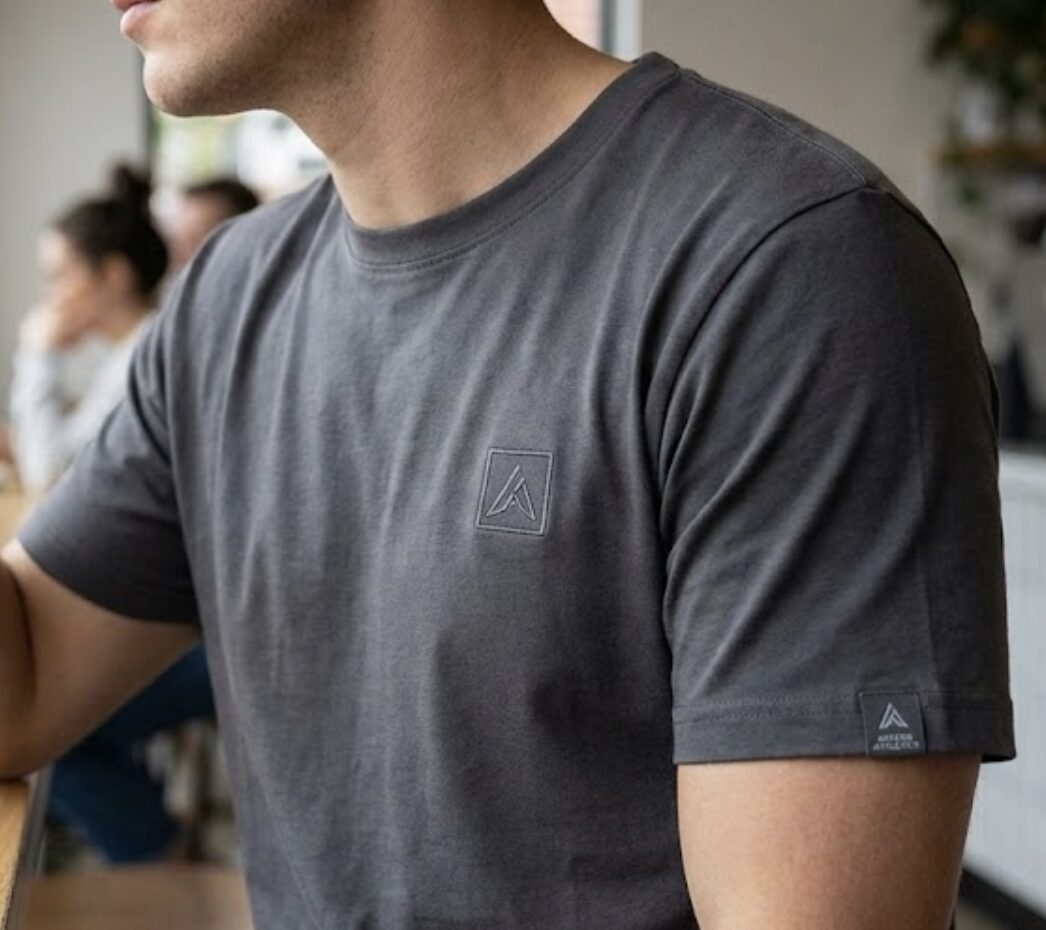
When branding feels intentional instead of loud, people wear it more often and in more places.
How To Choose Branded Merch People Actually Keep
Most wasted gym merch fails because it never considers life outside the gym. The Branded Merch Playbook breaks down how to choose items people genuinely use, keep, and associate with your brand. Inside, you will find practical guidance on product selection, real examples of what works, and pricing context so you can order confidently instead of guessing.
Get the Playbook
Designing For Neutral Environments
Think about where non-gym people live.
Coffee shops. Airports. School pickup lines. Weekend errands. Casual offices.
Merch that works in those spaces avoids extremes.
No neon. No ultra-niche language. No designs that demand explanation.
Neutral environments reward clean lines, balanced layouts, and colors that do not shout.
Why Fit Matters More Than Message
A great message on a bad fit still loses.
People forgive a plain design if the fit is right. They forgive almost nothing if the fit feels off.
Boxy cuts. Inconsistent sizing. Stiff collars. These kill adoption quietly.
If you want merch to escape the building, prioritize fit samples and real-world wear testing.
Colors That Leave The Gym
Gym lighting lies.
What looks bold under LEDs can feel harsh in daylight. What looks clean on a screen can feel flat in person.
Earth tones travel well. Muted neutrals age better. Simple palettes create flexibility.
If the color only works with gym shorts, rethink it.
Logos That Feel Like Brands, Not Ads
Non-gym people are allergic to advertisements.
They are fine wearing brands. They resist wearing promotions.
Design your logo placement like a brand, not a sponsor. Smaller. Intentional. Integrated into the garment instead of slapped on top.
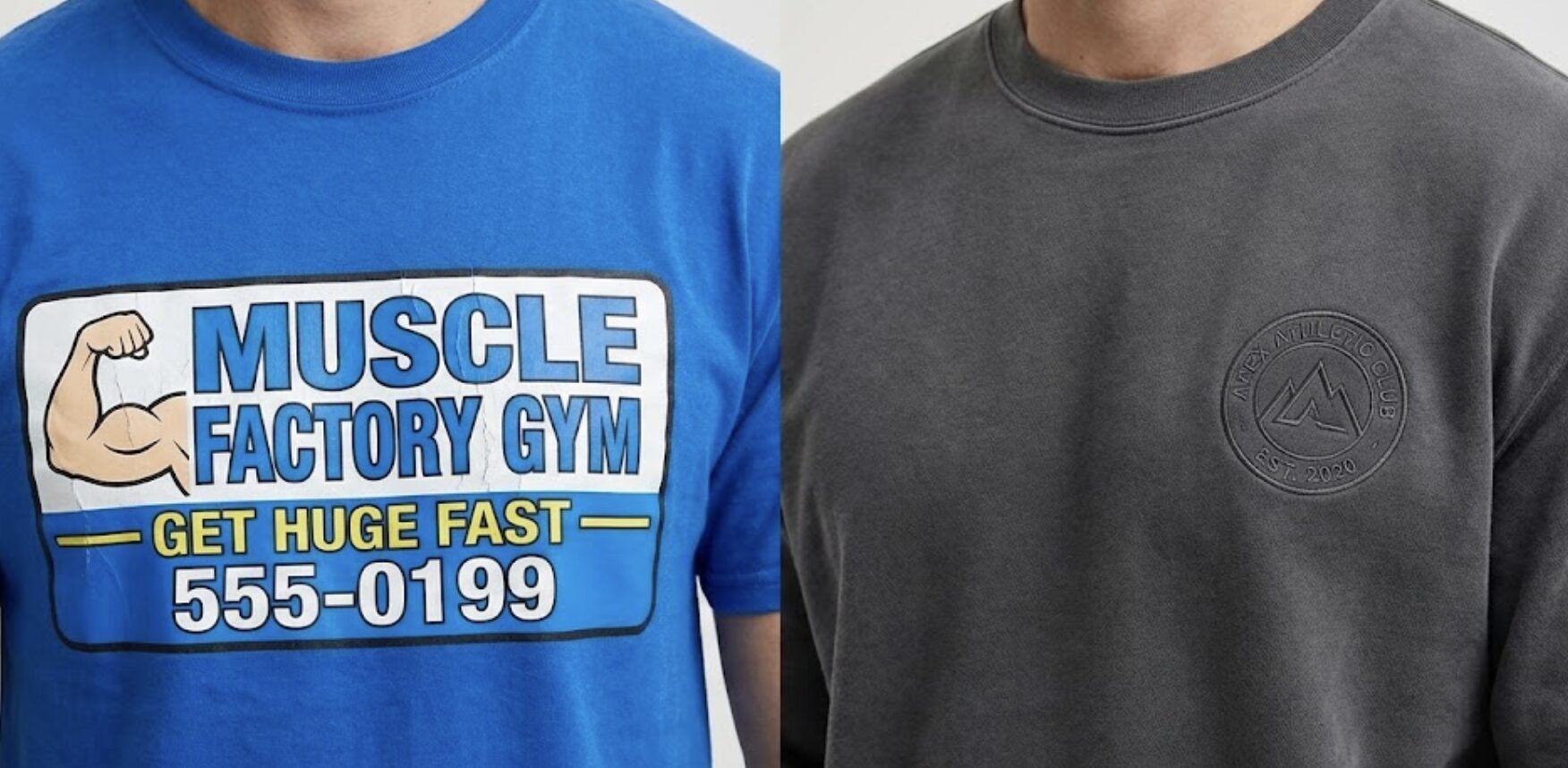
This. The point is to get the questions asked of your clients: “Hey man you wear that hoodie all the time. Where’d you get it?”
This mindset shift alone increases wear rate dramatically.
Removing Inside Jokes Without Losing Identity
Inside jokes are fun. They just do not scale.
A phrase that makes sense only to members creates friction for everyone else. That friction keeps merch inside the building.
Instead, anchor designs to broader ideas. Movement. Discipline. Progress. Belonging.
Members still recognize the meaning. Non-members do not feel excluded.
The Role Of Texture And Material
Non-gym people notice feel immediately.
Softness. Weight. Stretch. Breathability.
A shirt that feels good becomes a favorite regardless of where it came from. A shirt that feels cheap gets demoted to sleepwear at best.
Material choice is brand choice.
Why Merch Should Not Explain The Workout
Workout names age quickly.
Programs change. Schedules rotate. Trends move on.
Merch tied to a specific workout moment loses relevance fast. Merch tied to identity lasts longer.
Design for who people are, not what they did on Tuesday.
When Merch Becomes Social Proof
The best gym merch creates quiet curiosity.
Someone sees it. They ask about it. A conversation starts.
That does not happen with loud slogans or aggressive branding. It happens with confidence and restraint.
This is where merch becomes organic local advertising without trying too hard.
Examples Of Escapable Gym Merch
A neutral hoodie with a small embroidered mark.
A hat with no text, just a recognizable symbol.
A tee with a simple word that aligns with the brand but stands on its own.
These items blend into real life. That is their strength.
Merch That Matches The Brand Promise
If your gym promises professionalism, merch should feel polished.
If your gym promises community, merch should feel warm and accessible.
If your gym promises performance, merch should feel functional and durable.
When merch and promise align, non-gym people feel comfortable wearing it without context.
Why This Matters For Retention
Members who wear merch outside the gym carry the brand into their identity.
Identity creates stickiness.
When someone reaches for your hoodie on a day off, the gym stays top of mind without effort. That emotional connection supports retention more than discounts ever will.
Designing Once, Benefiting Everywhere
Merch that appeals to non-gym people simplifies everything.
It works for members. It works for staff. It works for events. It works for referrals.
It reduces waste. It increases pride. It extends reach naturally.
That is why the most effective gyms treat merch like a lifestyle product, not a giveaway.
Building A Merch Strategy That Scales
Start with one item. Make it excellent.
Test it in real life. Watch where it shows up. Listen to how people talk about it.
Then build from there.
Designing merch that escapes the building is not about trends. It is about respect for the wearer.
When you get that right, the building stops being the boundary.




0 Comments