
Selling merch should be easy for gyms.
You already have foot traffic. You already have trust. You already have people who show up multiple times a week and voluntarily associate themselves with your brand.
And yet, merch is one of the most misunderstood and poorly executed parts of the fitness business.
Not because gym owners are bad at it.
Because most of the advice around gym merch is quietly wrong.
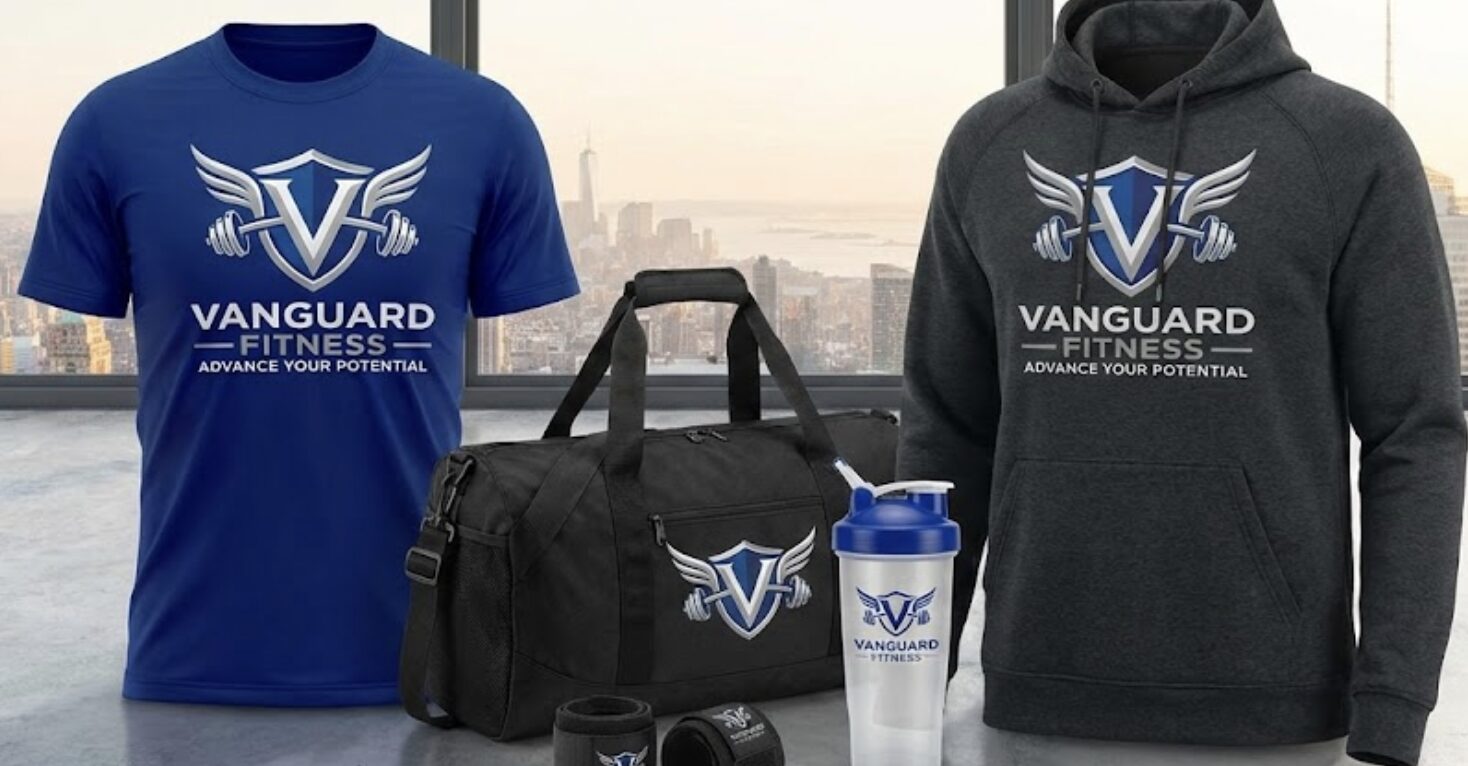
The Biggest Myth: “We Don’t Want To Become A Retail Store”
This is the most common objection, and it sounds responsible.
No inventory headaches. No POS complications. No awkward sales pressure at the front desk.
The problem is that selling merch does not automatically turn you into a retailer.
Retail stores exist to sell products.
Gyms exist to build outcomes, habits, and identity. Merch, when done correctly, supports those things. It does not compete with them.
If merch feels like retail, something upstream is broken.
Why Most Gym Merch Fails Before It Ever Launches
Gym merch usually fails for one of three reasons.
It is designed like advertising.
It is priced like an afterthought.
It is treated like a side hustle instead of a strategy.
None of those problems are solved by ordering cheaper shirts or printing bigger logos.
They are solved by reframing what merch is actually for.
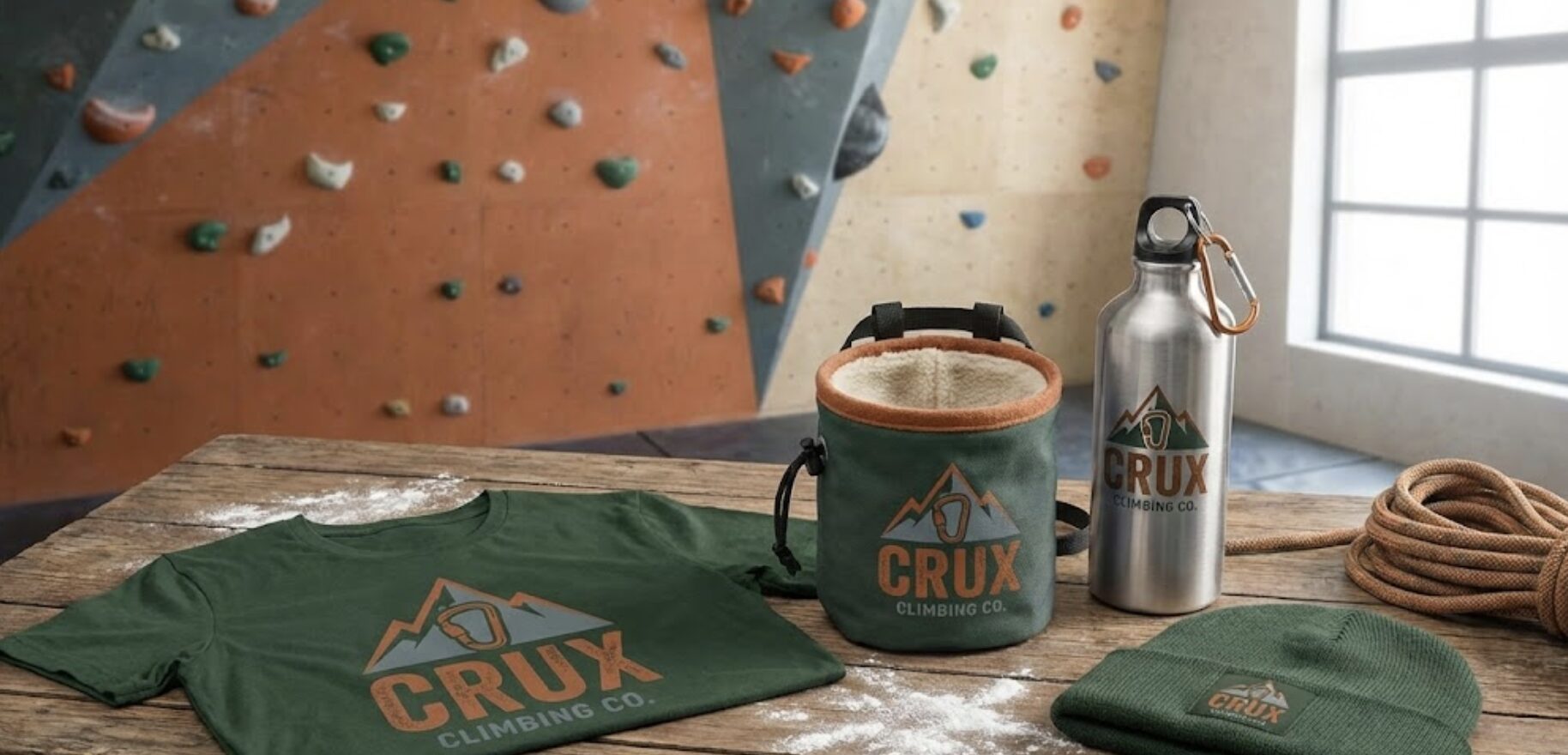
Merch Is Not About Revenue First
This one is uncomfortable, but necessary.
If your primary goal with merch is short-term profit, you will almost always miss.
The gyms that succeed with merch treat it as a brand amplifier and a culture artifact first. Revenue becomes a byproduct, not the driver.
Ironically, this mindset produces better financial outcomes over time.
The “Free Shirt” Trap
Free shirts feel generous.
They also train people to undervalue your merch.
When apparel is always given away, it signals that it has little intrinsic worth. Members wear it casually or not at all.
Selling merch, even at modest prices, changes the psychology. It creates choice. Ownership. Intent.
People respect what they opt into.
Why Pricing Merch Too Low Backfires
Cheap merch does not feel accessible. It feels disposable.
Members subconsciously associate price with quality and meaning. When a shirt costs less than a fast food meal, expectations follow.
Pricing merch fairly does not make you greedy. It makes the item feel deliberate.

Merch Is A Signal, Not A Souvenir
Souvenirs are reminders of places.
Signals are expressions of identity.
Most gyms accidentally create souvenirs. Logo tees that say, “I was here once.”
Culture-first merch creates signals that say, “This is part of who I am.”
That distinction determines whether something gets worn once or repeatedly.
The Mistake Of Designing For Everyone
Trying to please every member usually results in merch that excites no one.
Strong merch has an opinion. A tone. A point of view that aligns with the gym’s culture.
If someone does not like it, that is fine. It was not meant for everyone.
It was meant for your people.
Why Front Desk Staff Should Not Be “Selling” Merch
Merch should not need to be pushed.
When staff feel pressure to upsell apparel, something is wrong. Either the merch is poorly aligned or the context is off.
Good merch sells itself through visibility, relevance, and timing. Not scripts.
Visibility Beats Promotion
One of the biggest missed opportunities is staff apparel.
When coaches and staff wear merch confidently, members notice. It creates organic exposure without a single sales pitch.
If staff do not want to wear it, members will not either.
That is a useful signal, not an inconvenience.

Why Merch Needs A Job To Do
Every piece of merch should have a reason to exist.
New member onboarding.
Milestone recognition.
Community identity.
Seasonal rituals.
When merch has a job, it earns its place. When it does not, it becomes clutter.
The Operational Fear That Stops Most Gym Owners
Inventory risk.
Leftover sizes. Cash tied up in boxes. Storage headaches.
These fears are real, but manageable. Small runs. Pre-orders. Limited releases. Conservative sizing mixes.
Merch programs fail when they are treated like guesses instead of systems.
Why Merch Strategy Beats Merch Volume
You do not need dozens of SKUs.
You need a few intentional pieces that align with your culture and timing.
Less choice often leads to better outcomes.
How to Choose Branded Merch People Actually Keep
Most gym owners struggle with merch because they are guessing. The Branded Merch Playbook lays out a practical framework for choosing items people actually use, keep, and associate positively with your brand. It breaks down what works, what does not, and why, with real examples, smart product picks, and pricing context so you can order with confidence instead of hope.
Get the Playbook
The Myth That Members Only Want Discounts
Members want to feel valued.
Discounts are one way to do that, but they are not the most durable.
Merch tied to identity and achievement often outperforms cash incentives because it lasts longer emotionally.
A shirt can be worn for years. A discount is forgotten by next week.
Why Merch Works Best When It Is Optional
Forced merch feels transactional.
Optional merch feels expressive.
When members choose to buy and wear something, it reinforces autonomy and belonging. That combination is powerful.
How Selling Merch Can Strengthen Retention Without Feeling Salesy
Merch that aligns with culture reinforces commitment.
Every time a member wears it, they re-identify with the gym. That identity loop supports retention without overt tactics.
This is subtle. It is also effective.
Why Launch Timing Matters More Than Design
The same shirt can succeed or fail based solely on timing.
Tie merch to moments that matter. Anniversaries. Challenges. Community events. Seasonal transitions.
Context creates meaning. Meaning creates demand.
The Difference Between Merch That Sits And Merch That Moves
Sitting merch is generic.
Moving merch feels inevitable.
It feels like something that had to exist because of what the gym represents.
Why Merch Programs Fail When They Are Too Serious
Merch does not need to be precious.
A little humor. A little attitude. A little self-awareness goes a long way.
Overthinking tone often leads to blandness.
How Merch Reinforces Brand Without Screaming It
Subtlety builds trust.
Smaller marks. Thoughtful placements. Secondary logos.
Members want to wear something they believe in, not something that shouts.
What Gym Owners Should Measure Instead Of Just Sales
Sales matter.
So does wear rate.
So does visibility outside the gym.
So does member pride.
Those signals indicate whether merch is doing its real job.
Why Gym Merch Is A Long Game
Merch is not a one-off campaign.
It is a system that compounds over time.
Each successful piece makes the next one easier.
How Smart Merch Fits Into A Bigger Brand Strategy
Merch works best when it supports the overall brand story.
Resources like The Ultimate Guide to Branded Merch for Gyms and Health Clubs exist to help gym owners connect merch decisions to long-term growth instead of isolated experiments.
What Changes When Merch Finally Clicks
Members wear it without prompting.
Staff reach for it naturally.
Conversations start outside the gym.
At that point, merch stops being something you sell.
It becomes something your community carries with them.



0 Comments