
Why Recruiting Is No Longer Just About Splits And Leads
There was a time when recruiting agents felt straightforward. Offer a competitive split, promise a steady flow of leads, maybe throw in some training sessions, and call it a day. That approach still works at a basic level, but it no longer creates a real advantage.
Agents talk. They compare experiences. They see what other brokerages are doing, and they are paying attention to more than just numbers. The environment they join, the way they are supported, and how the brand shows up all influence their decision.
The twist is that most brokerages still compete using the same language. Better splits. More support. Stronger culture. Everyone says it, and it all starts to sound identical.
Brand experience is what separates one brokerage from another when everything else sounds the same.
What “Brand Experience” Actually Means In Recruiting
Brand experience is not a slogan on a website or a color palette in a style guide. It is the sum of every interaction an agent has with your brokerage before and after they join. It starts with the first conversation, continues through onboarding, and extends into daily work.
If that experience feels polished, thoughtful, and consistent, the brokerage becomes more attractive. If it feels scattered or improvised, even strong compensation packages start to lose their appeal.
Agents want to feel like they are joining something stable and well-run. They want to believe the brand they represent will make them look more professional in front of clients.
That belief does not come from a pitch. It comes from what they experience.
First Impressions Carry More Weight Than The Pitch
Recruiting conversations often focus on information. Commission splits, transaction fees, marketing support, and lead generation all come up quickly. Those details matter, yet they rarely create emotional buy-in on their own.
The way the brokerage presents itself during that initial interaction shapes perception immediately.
If materials feel disorganized or generic, the message becomes unclear. If the experience feels structured and intentional, the brokerage starts to stand out before numbers are even discussed.
Physical materials play a role here in ways many teams overlook.
Before You Build A Recruiting Kit
If you are thinking about using physical touchpoints to strengthen recruiting, it is worth understanding what actually works. The Branded Merch Playbook explains how to choose items people keep, how to avoid wasting money on throwaway products, and how to align merchandise with your brand identity. It also includes examples and pricing guidance so you can build recruiting kits that feel intentional rather than rushed.
Get the PlaybookThat clarity prevents the common mistake of assembling something that looks impressive at first glance but does not hold up over time.
Why Physical Touchpoints Change The Conversation
Most recruiting happens through conversations, emails, and digital presentations. Those channels are efficient, but they rarely create a lasting impression.
A physical recruiting kit shifts the experience.
When a potential agent receives a well-designed package, the interaction becomes tangible. The materials feel real. The presentation shows effort. The brand becomes something they can hold rather than just hear about.
This moment often sticks longer than a conversation about commission splits.
It also signals that the brokerage invests in its people. If the recruiting experience feels thoughtful, the assumption is that the same level of care will continue after joining.
What Should Be Inside A Recruiting Kit
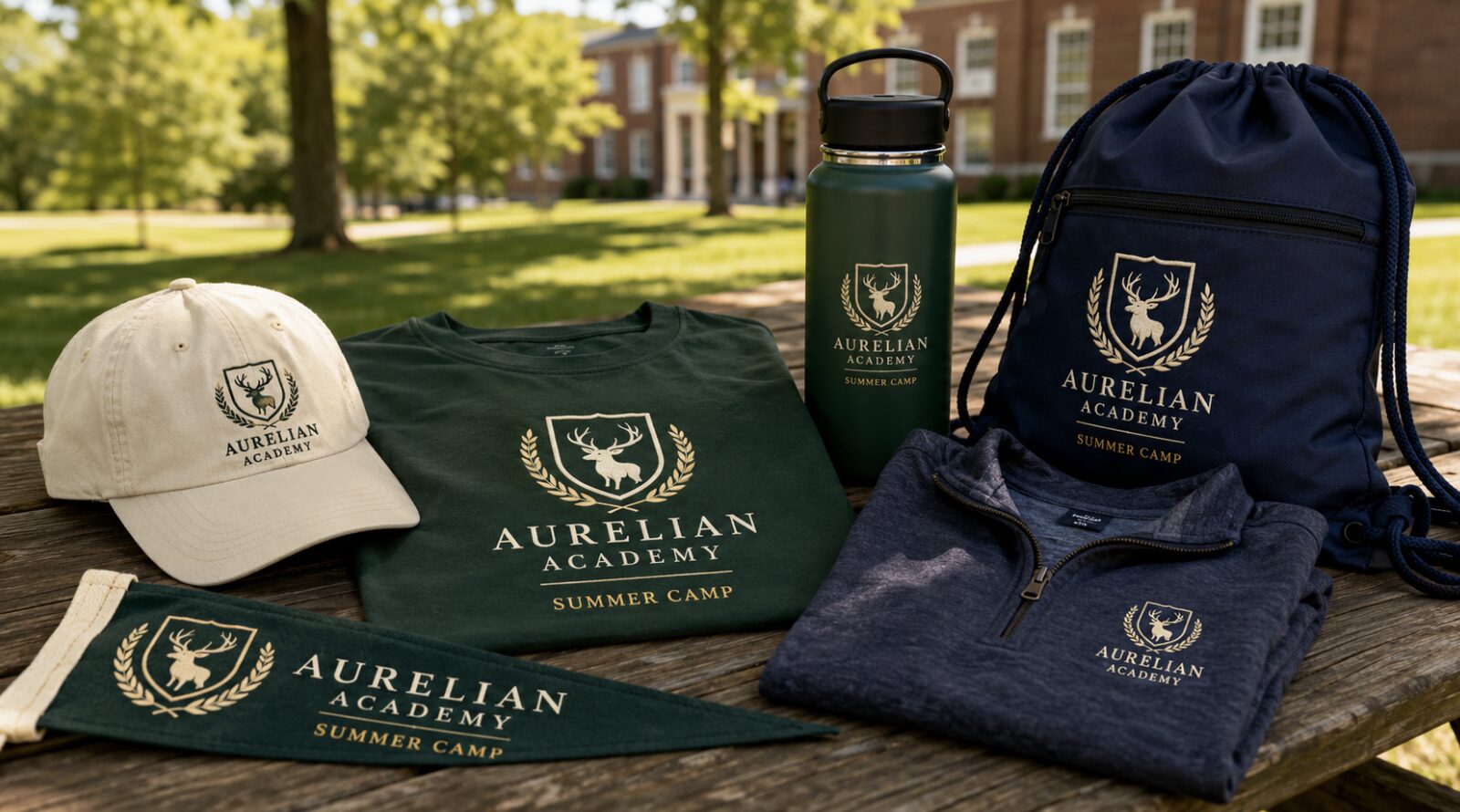
A strong recruiting kit does not need to be complicated. In fact, simplicity usually works better. The goal is to reflect the brand and provide useful materials rather than overwhelm the recipient with too many items.
A clean presentation folder or box sets the tone immediately. Inside, agents might find a few practical items they can actually use, along with materials that explain how the brokerage operates. The combination of utility and clarity creates a balanced experience.
The key is relevance. Items should connect to the agent’s daily work or professional identity. When the contents feel purposeful, the entire kit feels more credible.
Subtle Branding Makes A Stronger Impression
Branding in recruiting materials should feel polished rather than loud. A large logo across every item can make the experience feel promotional instead of professional.
Subtle branding creates a different effect.
Consistent colors, clean typography, and thoughtful packaging make the kit feel cohesive. The brand is present without overwhelming the design. This balance allows the materials to feel like tools rather than advertisements.
Agents notice that difference, even if they do not articulate it directly.
Consistency Across The Entire Experience
One of the biggest missed opportunities in recruiting is inconsistency. The first conversation might feel polished, but the onboarding process looks completely different. Or the recruiting kit is strong, yet the day-to-day materials agents use feel disconnected from the brand.
Consistency ties everything together.
When recruiting materials, onboarding kits, and client-facing tools all reflect the same standards, the brokerage feels cohesive. Agents begin to trust that what they experienced during recruiting will continue after they join.
For a broader look at how these touchpoints can work together, The Ultimate Guide To Branded Merch For Realtors And Real Estate Teams outlines how different types of branded materials support both internal culture and client experience.
That alignment strengthens the recruiting message without needing to repeat it.
Using Brand Experience To Differentiate Without Saying More
Most recruiting pitches rely on explanation. Brokerages try to describe why they are better, why their culture is stronger, or why their systems are more effective.
Brand experience allows you to show that instead.
When an agent interacts with a polished, thoughtful system, the message becomes clear without needing to be stated explicitly. The materials, the presentation, and the consistency all reinforce the idea that this is a professional environment.
This approach often feels more convincing than any verbal pitch.
Choosing Items That Reflect Professional Identity
The items included in recruiting kits should align with how agents want to present themselves. High-quality materials that feel professional reinforce the idea that the brokerage helps agents elevate their image.
For those evaluating which products tend to work best in a real estate context, reviewing branded gifts for realtors can provide insight into items that feel appropriate in both professional and home environments.
When the items feel relevant, they are more likely to be used, and the brand remains visible.
Why Experience Influences Retention
Recruiting does not end when an agent joins. The initial experience shapes expectations, and those expectations influence long-term satisfaction.
If the onboarding process matches the quality of the recruiting experience, agents feel confident in their decision. If there is a disconnect, doubts can appear quickly.
A consistent brand experience helps prevent that gap.
Agents who feel supported and aligned with the brand are more likely to stay, contribute, and recommend the brokerage to others.
Building A Recruiting Advantage That Lasts
Real estate recruiting is competitive, and most brokerages rely on similar talking points. Standing out requires a different approach.
Brand experience provides that edge.
When every interaction feels intentional, from the first conversation to the materials agents use daily, the brokerage becomes more than a place to hang a license. It becomes an environment agents are proud to represent.
That sense of pride influences how they show up with clients, how they talk about the brokerage, and whether they encourage others to join.
Over time, those small experiences create a recruiting advantage that is difficult for competitors to replicate because it is built into the way the brokerage operates rather than something added on top.




0 Comments