
First Impressions Count More Than Spreadsheets
When someone hires a financial advisor, they’re not just investing their money. They’re investing their trust. And let’s be real—most clients come in with a mix of curiosity and suspicion. They’re asking themselves, “Can I really trust this person with my financial future?” A welcome kit is one of the simplest, most overlooked ways to start answering “yes.”
Most advisors think trust is built after months of meetings, quarterly reviews, and portfolio adjustments. But the reality is this: trust begins forming long before the first performance report. It starts the moment your new client gets their first impression of how you operate. A welcome kit becomes a strategic tool—not for selling, but for signaling who you are.
When you hand a client a kit that feels intentional, thoughtful, and well-designed, you’re communicating something deeper: “We take care of details. We take care of you.”
Why a Welcome Kit Works on a Psychological Level
Human beings are wired for reciprocity. When someone gives us something—especially something thoughtful—we instinctively feel a sense of goodwill. A branded welcome kit taps into that instinct. It transforms the relationship from purely transactional (“here’s your quarterly statement”) into relational (“here’s a gesture that shows we value you”).
On top of that, a welcome kit creates what behavioral economists call *commitment reinforcement*. People want to feel good about decisions they’ve already made. When you hand them a beautiful kit, you’re validating their choice emotionally, not just financially.
Clients want to know you’re more than a calculator with a tie. A kit says, “You’re not just another account number. You matter here.”
What Goes Into a Great Welcome Kit
The best welcome kits strike a balance between practical and personal. Too generic, and it feels like filler. Too flashy, and it feels insincere or—worse—noncompliant. The sweet spot? Thoughtful, compliance-safe, everyday items that reinforce your role as a guide.
Some examples include:
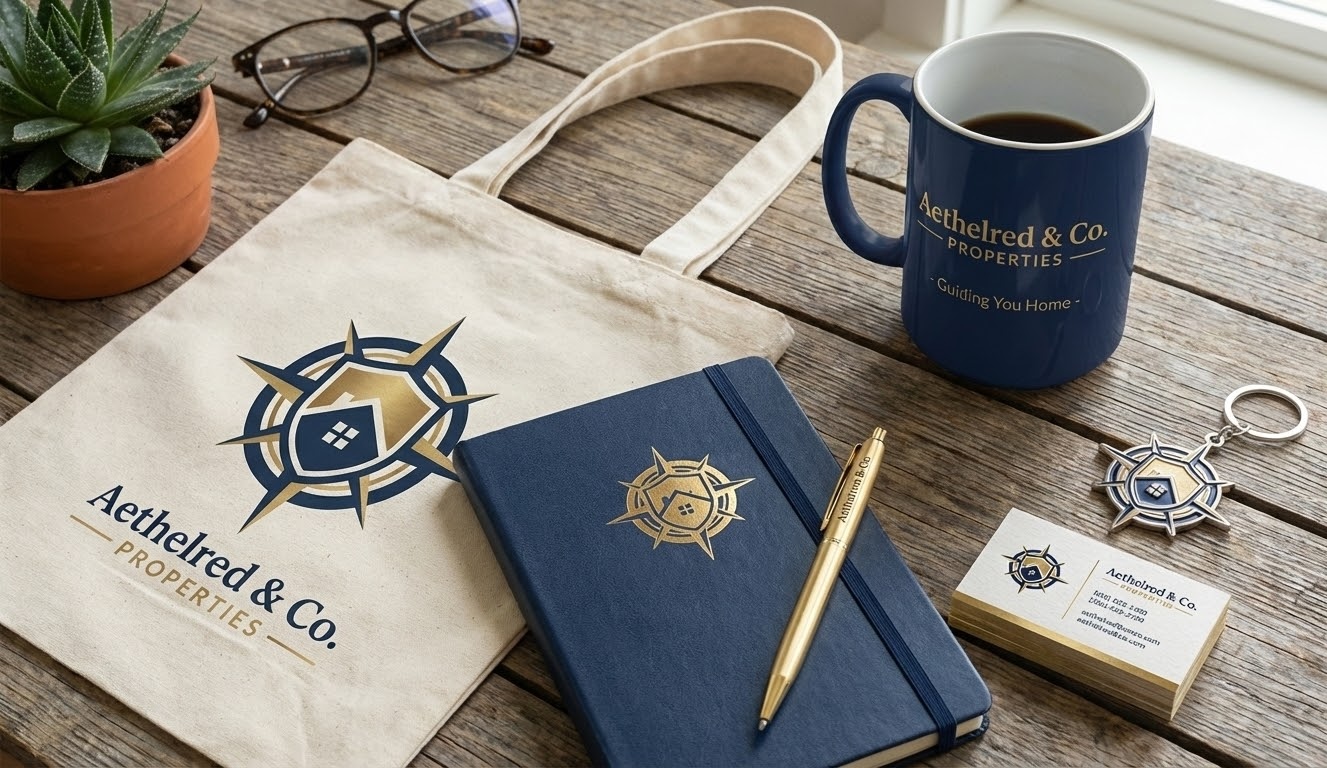
- Branded Notebook: Clients will take notes during meetings anyway. Why not provide a high-quality one that keeps your brand top of mind?
- Quality Pen: Skip the 12-cent pens. Go with something that writes smoothly and feels professional.
- Informational Folder: A clean, branded folder where you include an overview of services, team bios, and key FAQs.
- Coffee Mug or Tumbler: Something that lives on their desk and gets used daily.
- Personal Touch: A handwritten note welcoming them to your firm—this part is non-negotiable.
A great kit should feel curated, not crowded. No one needs a box packed with random trinkets. They need a few well-chosen items that communicate thoughtfulness and professionalism.
The Trust Equation: Small Touches, Big Impact
Trust isn’t built in one dramatic moment. It’s accumulated through dozens of micro-signals. A welcome kit is one of the earliest and most powerful of those signals. It says:
- We’re organized (the kit is neatly presented).
- We’re thoughtful (the items are useful, not random).
- We’re approachable (a note feels human, not corporate).
Even better, the kit becomes a tangible reminder that they’ve made a good choice in hiring you. Every time they sip from the mug or jot in the notebook, they’re reinforcing their decision.
Make Your Swag Impossible To Ignore
The Branded Merch Playbook reveals how schools, clinics, and organizations create high-impact kits without blowing their budget. Learn which products work, which ones flop, and how to design merch that clients, families, or staff actually remember.
Get the PlaybookCompliance Considerations (Keep It Safe)
Let’s address the elephant in the room: regulations. Financial advisors can’t exactly hand out iPads with “Welcome to Wealth HQ!” engraved on the back. Thankfully, welcome kits don’t need to be extravagant to be effective.
Stay within the guidelines:
- Modest value: No over-the-top luxury items.
- Useful vs. personal luxury: Notebooks? Yes. High-end headphones? No.
- Business purpose: Items should reasonably support the advisory relationship.
A well-designed, compliance-safe kit is far more impressive than an expensive but questionable gift. Regulators don’t blink at folders, mugs, or notebooks—but they *will* if something looks like an inducement.
Onboarding vs. Ongoing Gifting
Here’s the distinction:
- Onboarding: A welcome kit sets the tone, reduces skepticism, and helps clients feel immediately cared for.
- Ongoing: Anniversary thank-you kits or milestone gifts reinforce long-term loyalty.
Both matter, but onboarding carries special weight because it happens at the most fragile stage of the relationship. Clients are still deciding whether you’re “the one.” A kit can tilt that decision in your favor before performance even enters the conversation.
Lessons from Other Industries
This isn’t just about finance. Conferences, retreats, universities, and luxury brands have used kits for decades to shape identity and belonging. When new students receive house shirts on orientation day, they instantly feel part of something bigger.
The same principle applies here: people bond with organizations that create moments—not just deliver information.
Practical Tips for Execution
- Standardize It: Have pre-assembled kits ready, so every new client gets the same polished experience.
- Brand Consistency: Make sure colors, fonts, tone, and packaging match your brand identity.
- Personal Touch: Even if the kit is standardized, a handwritten note makes it feel bespoke.
- Choose Durable Items: Cheap swag is worse than no swag. Pick long-lasting items clients won’t toss.
- Keep Packaging Clean: Avoid clutter. Less is more when it comes to presentation.
Even a simple kit can feel premium if it’s assembled with care and intention.
Why This Matters for Referrals (Indirectly)
Compliance prevents advisors from directly incentivizing referrals with gifts. But nothing stops clients from sharing their experience with friends.
A thoughtful welcome kit becomes a story:
“My advisor gave me this great notebook and a welcome package when we started—felt so professional.”
Stories like that travel naturally. No referral ask. No awkward script. Just organic reputation-building.
The Long Game: Relationship Equity
At the end of the day, financial advising is a relationship business. Numbers matter, but trust and connection matter more. A welcome kit won’t magically turn you into Warren Buffett, but it will give you a powerful tool to reduce skepticism, increase goodwill, and set the tone for a long-term relationship.
Clients won’t remember the exact percentage of their first quarter’s return. But they *will* remember how you made them feel at the beginning of the relationship.
A welcome kit isn’t about the stuff—it’s about the psychology behind the stuff. Done right, it becomes the opening chapter of a trusted partnership, anchoring your client relationship in confidence, clarity, and care.
And in a business built on trust, that’s one of the highest-ROI moves you can make.






0 Comments