
Estate planning and business law rarely show up on someone’s bucket list. Clients are not thinking, “I cannot wait to spend my Thursday night talking about durable powers of attorney.” They come to you because something feels fragile, urgent, or complicated. That is why the way you package their plan matters almost as much as the plan itself.
Enter the most underrated marketing asset in your practice: the humble branded binder.
Done badly, it is a flimsy plastic shell that squeaks when you open it and ends up buried in a drawer. Done well, it becomes a physical symbol of clarity, order, and protection. It is the thing your client grabs when life goes sideways. It is the thing their kids pull out when they are trying to understand what to do next. It is also the thing that quietly tells everyone, “This law firm has its act together.”
Why A Binder Is More Than Office Supplies
Most firms treat binders like a line item on a supply order. White, generic, cheapest option possible. The problem is that your clients read meaning into everything you hand them. If the materials feel like an afterthought, the experience feels like an afterthought.
The right binder structure does three powerful things at once. It lowers anxiety. It organizes chaos. It anchors your brand as the calm, competent center of the story.
Estate planning clients see tabs and breathe easier. Business owners see labeled sections and feel more in control. Executors see a roadmap instead of a pile of paper that looks like a boss battle.
Building A Binder That Feels Like A System
A good binder does not just “hold documents.” It teaches the client how to think about their plan.
Start with a simple hierarchy:
- Section 1: Big picture overview
- Section 2: Core documents
- Section 3: Supporting documents
- Section 4: Action steps and checklists
- Section 5: Contact and emergency information
You can rename those to match your voice, but the structure should always move from “what this is” to “what to do with it.”
Inside each section, keep the design clean. One main heading page. Short subtitles. White space that lets the client’s brain relax. The binder should feel like a guided tour, not a scavenger hunt.
If you want inspiration for what to include alongside your documents so the whole kit feels intentional, not random, this breakdown of thoughtful touchpoints is worth a look: The Ultimate Guide to Branded Merch for Law Firms.
Tab Systems That Quiet The Mental Noise
Tabs seem tiny until you watch a nervous client flip through a binder looking for “that one document” you mentioned. The wrong tabs create panic. The right tabs create confidence.
For estate planning, you might use:
- Overview
- Trust
- Will
- Powers of Attorney
- Healthcare Documents
- Beneficiaries and Assets
- Next Steps
For business clients, your tabs could look more like:
- Overview
- Entity Formation
- Ownership and Equity
- Key Contracts
- Compliance and Filings
- Finance and Tax
- Future Plans
Notice what is not there. No mystery acronyms. No “Miscellaneous.” No “Other.” If a stressed executor or business partner cannot figure out where something lives in ten seconds, your system needs a tune up.
Color Psychology: Your Palette Is Talking
Your binder is also a small billboard for your brand. The colors you choose do more than “look nice.” They create an emotional tone.
You do not need to become an interior designer, but you should be intentional:
- Deep blues and cool greens suggest stability, calm, and trust.
- Softer neutrals feel warm and supportive, which can work well for probate or family estates.
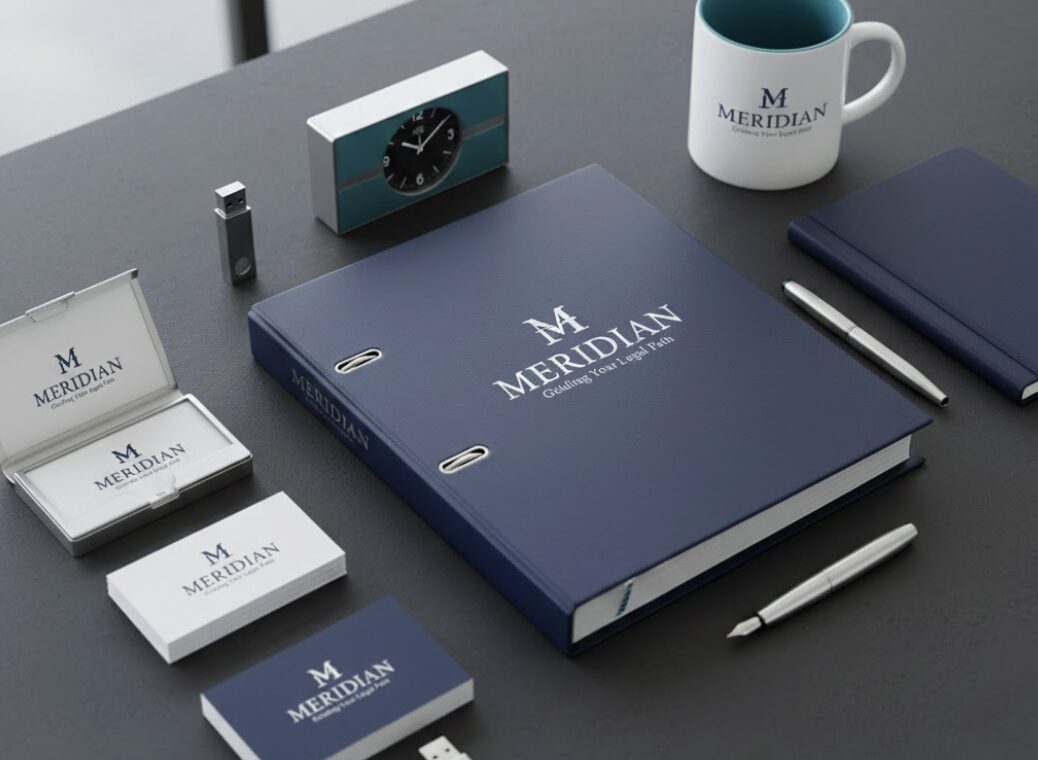
- Clean contrasts, like navy with white, make information feel crisp and legible.
On the flip side, loud neon accents or harsh, busy patterns can make already anxious clients feel more scattered. Your goal is not to impress them with creativity. Your goal is to help their nervous system chill out while they deal with complex decisions.
Where The Binder Sits In The Client Journey
The binder should never feel like a random prop you throw in at the end. It should be baked into your process from the moment you talk about engagement.
Think about the arc like this. In the early meetings, you talk about goals and problems. In the drafting phase, you talk about options and tradeoffs. When you deliver the documents, you talk about the binder as “the home” for their plan and walk them through each section.
At that point, the binder stops being an office supply. It becomes the main stage.
This is also the point where many firms benefit from some outside structure around their touchpoints. If you want a framework for choosing physical pieces that reinforce your experience instead of cluttering it, you can grab The Branded Merch Playbook. It walks through smart product choices, why certain items stick, and how to make everything feel cohesive instead of random.
Get the PlaybookEstate Planning Binders That Families Actually Use
For estate clients, the binder will probably outlive your relationship with them. Their kids, personal representative, or trustee may be holding that binder in a moment of grief. That should shape how you design it.
A family friendly binder might include:
- A plain language page titled “Read This First” that explains what the plan does.
- A simple diagram of how assets move when someone passes away.
- A checklist of what to do in the first week, first month, and first year after a death.
- A spot for key account numbers, stored in a way that feels secure but findable.
You are not trying to turn them into junior attorneys. You are trying to make sure the people they love do not feel abandoned inside a pile of paper.
Business Law Binders That Signal Professionalism
Business owners collect paperwork like it is a sport. Operating agreements, leases, vendor contracts, insurance policies, loan documents. Without a system, everything ends up in a digital junk drawer.
When you hand them a clean, branded binder with sections that match how they think about the business, you are sending a subtle but powerful message. “We are thinking at the same level of structure you are.”
For restructuring or major transactions, the binder can also serve as a deal archive. Key decisions, finalized agreements, board resolutions, and timelines all live in one place. When investors or partners see that level of organization, it builds trust in your role as counsel.
Digital World, Physical Anchor
Yes, almost everything is digital now. You will still send secure links, client portals, and signed PDFs. None of that replaces the psychological power of handing someone a physical object that says, “Here is your plan in one place.”
Many firms use a hybrid approach. The binder holds the big picture and the most critical documents, while a card inside points to an online vault or portal where the full digital set lives. The two work together, not against each other.
That small bit of friction that comes with a physical object actually helps. Clients remember it. They can show it to family members. They can pull it off a shelf without logging into anything.
How A Branded Binder Builds Loyalty
Loyalty does not come from one dramatic moment. It comes from a series of small signals that say, “You can trust us. We are not going anywhere. We care about the details.”
Your binder does this every time they see it.
It reminds them that you gave them structure when life felt messy. It reminds them that you anticipated their questions. It reminds them that their legal life has a home.
That is why a well designed binder often leads to:
- Repeat work when circumstances change.
- Referrals to friends and colleagues who saw the binder.
- Less price sensitivity because the experience feels premium.
- More productive meetings because everyone knows where things live.
Clients do not talk to their neighbors about your sub clauses. They talk about how organized you made everything.
Getting Started Without Overcomplicating It
You do not need to launch a full scale rebrand just to improve your binders. Start simple.
Pick one practice area. Map the sections. Choose a calm color palette that matches your logo. Update the tab labels so they make sense to a nervous, non lawyer human. Create a single overview page that explains what is inside.
Then run that version with your next ten clients. Listen to what they say. Watch how they use it. Adjust.
The secret is not perfection. The secret is intention.
In a world where legal work can feel abstract and invisible, your branded binder becomes the concrete proof that you are paying attention. That you have a plan. That you care about what happens when the client walks out of your office.
And that is exactly what keeps them coming back.






0 Comments