
The Most Overlooked Part of Client Onboarding
If you’re a financial advisor, you already know the first 90 days with a client can make or break the relationship. You’ve probably spent hours building proposals, running numbers, and perfecting your pitch deck—but what happens after the client says “yes”? For most advisors, it’s a whirlwind of paperwork, compliance disclosures, and scheduling confusion that leaves the new client thinking, “Wait, did I just hire an accountant or a robot?”
That’s where branded onboarding kits come in. They turn the mountain of forms into something that feels intentional. Instead of an impersonal email with five attachments, you’re handing your new client a beautifully packaged welcome experience that says, “I’m not just managing your money. I’m investing in you.”
Why the First 90 Days Matter So Much
Psychologists call it the “primacy effect”—the idea that first impressions create lasting beliefs. In wealth management, that means your new clients aren’t evaluating your ROI yet—they’re evaluating you. Every email tone, every delay in follow-up, every tiny misstep adds up to one powerful message: “Can I trust this person with my financial future?”
A well-designed welcome kit helps answer that question immediately. It signals preparedness, thoughtfulness, and care. It’s tactile proof that you see the client as more than an account number.
What Should Go Inside a Financial Advisor Onboarding Kit?
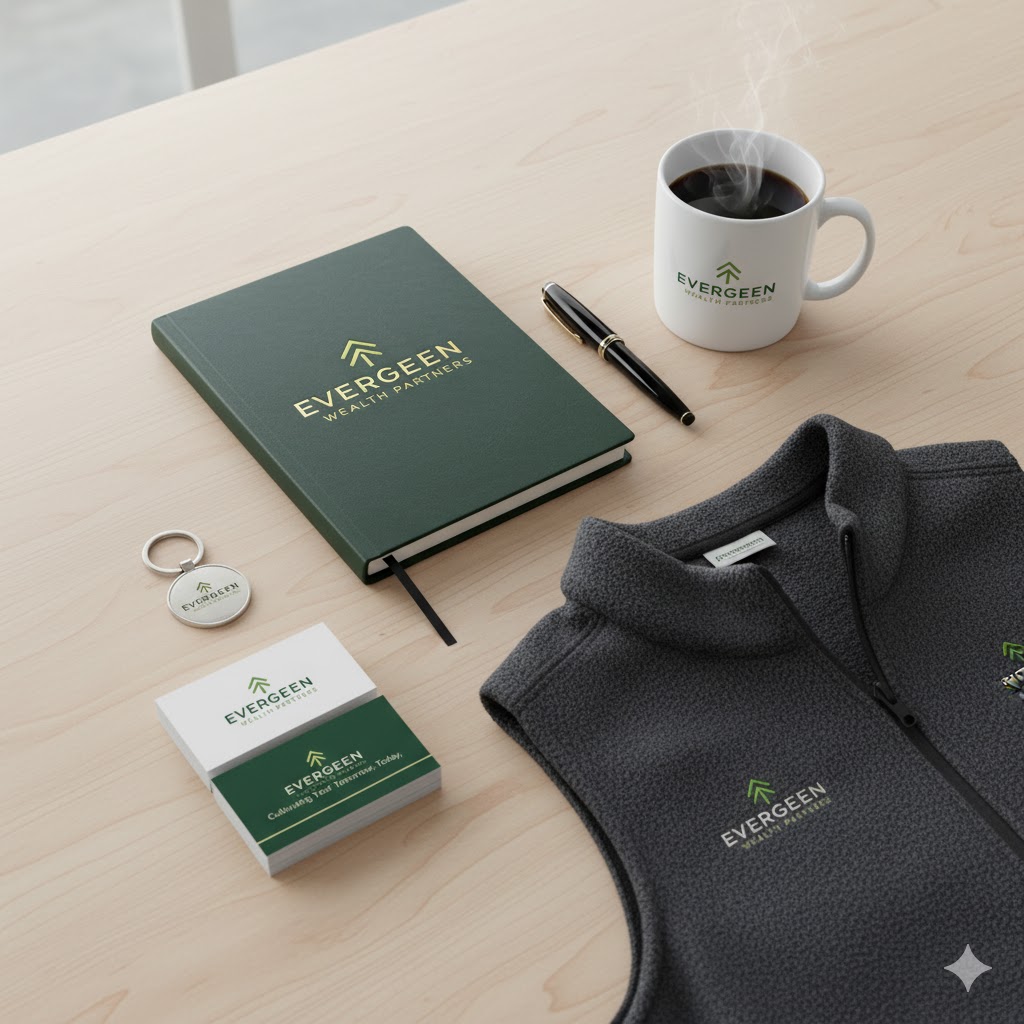
Let’s start with the obvious: pens, folders, and notepads—yes, those matter. But the real magic happens when you blend the practical with the symbolic. Here’s what separates a standard “swag bag” from a true partnership-building kit.
- Branded Folder or Portfolio: A sleek, embossed folder that holds key documents, investment strategy outlines, or onboarding steps. It’s not just organization—it’s professionalism you can touch.
- Custom Pen or Stylus: Simple, but powerful. A quality pen says “we deal in precision.” Cheap pens say “we’ll ghost you after the first market dip.”
- Handwritten Welcome Note: The unsung hero of client retention. A short, genuine message thanking them for their trust turns a transaction into a relationship. Keep it personal, not polished—clients can tell the difference.
- Timeline Card: A visual roadmap of what happens in the first 90 days. Include touchpoints like account setup, first review, and follow-up calls. It reassures the client that there’s a plan (and that you’re leading it).
- Small Symbolic Gift: A paperweight, a mug, or even a leather-bound journal—something that reinforces their new partnership with you. It doesn’t have to be expensive. It just has to be thoughtful.
The Psychology of Tangibility
Financial advising is intangible. Clients can’t touch their portfolio performance or feel their risk-adjusted returns. That’s why physical, branded elements matter so much—they anchor the relationship in something real. A beautifully printed welcome letter or branded folder becomes a daily reminder that they made a smart choice.
The best advisors understand this instinctively. It’s the same reason top firms invest in trust-building welcome kits that go beyond the transactional. They’re not just giving out freebies—they’re establishing authority, reassurance, and an emotional foundation that lasts long after the ink dries.
Try Before You Buy
Try before you buy—play a light, 15-minute mystery with your group of 3–5 players, so you don’t have to get the whole kit right away. It’s a fun, zero-pressure way to see what branded storytelling can do for your business relationships.
Building Momentum in the First 90 Days
A great onboarding kit does more than inform—it inspires. It sets expectations, creates excitement, and communicates that your firm has a process, a plan, and a purpose. New clients shouldn’t feel like they’ve been dropped into administrative chaos. They should feel guided.
That’s why the first 90 days are the perfect window to reinforce your brand, your values, and your commitment to clarity. The right kit becomes a physical anchor during an otherwise abstract onboarding experience.
Your Shortcut To Better Branded Merch
This free playbook breaks down what to give, why certain items perform better, and how to build kits people genuinely want to keep. If your goal is swag that supports your brand instead of cheapening it, this guide will save you time, money, and headaches.
Get the PlaybookFrom Paperwork to Partnership: A Step-by-Step Approach
Here’s how to transform the most tedious phase of your client process into something memorable.
1. Replace Forms with Flow
Instead of emailing a jumble of PDFs, print them neatly and bind them in your branded folder. Add sticky tabs where signatures are needed. Label them clearly. This small shift instantly communicates organization and care—two traits clients subconsciously equate with financial security.
2. Set the Tone with a Letter
Start your kit with a personal note, ideally signed in ink. Mention something specific from your intake conversation (“I look forward to helping you plan for your lake house in five years”). It shows you were listening. No automation can compete with that.
3. Reinforce the Relationship, Not the Transaction
A great kit doesn’t say, “Welcome to XYZ Wealth Management.” It says, “Welcome to the next chapter of your financial life.” It’s subtle but powerful. Use language that focuses on shared goals, not firm policies.
4. Keep the Brand Consistent
Color, typography, packaging—all should align with your overall firm identity. The tactile experience should feel as polished as your digital presence. If your website feels premium and your onboarding packet looks like it was made in Microsoft Word, you’ve got brand dissonance. Fix that.
5. Make It Easy to Engage
Include a QR code or link that takes the client directly to your scheduling calendar, FAQ, or a short welcome video. If you want to see how kits can merge physical and digital seamlessly, check out this breakdown of financial advisor onboarding kits designed specifically for the first 90 days.
Why It Works: The Hidden ROI of Onboarding Kits
Every element of your client experience sends a signal. The branded kit tells clients:
- You’re prepared.
- You value their time.
- You take their trust seriously.
- You’re investing in a long-term relationship.
These small, emotional cues build the foundation of loyalty. And loyalty, as every advisor knows, compounds faster than interest. According to multiple industry studies (real ones, not the made-up kind), client retention rates jump significantly when the onboarding process is personalized and tangible. Even a modest bump in retention can double lifetime client value over time.
Practical Meets Personal: The Perfect Blend
It’s tempting to lean too far one way—either purely practical (folders, pens, checklists) or purely emotional (notes, gifts, sentiment). The real power comes from blending both. Think of it like a diversified portfolio: emotional ROI and operational ROI working together.
For example:
- A branded coffee mug isn’t just swag—it’s a daily reminder that someone is looking out for their future.
- A checklist of milestones isn’t bureaucracy—it’s proof that you’re guiding them intentionally.
- A simple note that says, “You’ve got this. We’re with you,” turns a business exchange into something relational.
When the Kit Becomes a Tradition
The best firms don’t stop after onboarding. They extend the experience into year one, two, and beyond. That might mean sending an anniversary note or small token on the client’s “financial partnership birthday.” If you want inspiration, take a look at how advisors use anniversary gifts to build loyalty—it’s the same emotional playbook that works after day 90 too.
Final Thoughts: The Kit Is Just the Beginning
Branded onboarding kits aren’t about paper or pens—they’re about promise. They turn the bureaucratic mess of financial paperwork into a tactile reminder of trust. When done right, your kit becomes more than a welcome gift—it becomes a physical anchor for an emotional partnership.
Clients don’t frame their quarterly reports. But they’ll keep that note. They’ll use that pen. They’ll remember how you made them feel in the first 90 days—and that’s the kind of ROI you can’t measure on a spreadsheet.





0 Comments