
The Real Barrier Isn’t Complexity—It’s Uncertainty
Every estate planning and business law firm has faced this moment: the consultation goes great, the client nods along, promises to “think about it,” and then… silence. They ghost faster than a bad Tinder date.
Why? Because trust wasn’t sealed. Not legally—emotionally.
In industries built on promises and paperwork, the real sale happens when a client *feels* secure. That’s where branded kits come in. They turn your process into a tangible experience, bridging the gap between professional confidence and personal trust.
What “Trust” Actually Looks Like
Clients rarely know if you’re good at your job. They can’t judge the precision of your contracts or the elegance of your estate language. What they can judge is *how it feels* to work with you.
Is your process chaotic or calm? Are your materials scattered or structured?
Every cue—your tone, your handouts, your follow-up—tells them who you are. A branded kit reinforces the message that you run a precise, thoughtful, and reliable operation.
It’s not about the logo. It’s about reassurance disguised as design.
Turning Consultation Into Commitment
When a prospect leaves your office or signs off a Zoom call, they should have something physical (or beautifully digital) in hand that anchors the decision.
A branded “Next Steps” or “Welcome Packet” works like a silent closer. It reminds them that this isn’t a transaction—it’s a partnership.
Think about it: financial professionals already use welcome kits that build trust for the exact same reason. It creates continuity between the conversation and the commitment. For law firms, that bridge is the difference between “I’ll think about it” and “Let’s get started.”
What Goes Inside A Branded Kit
There’s a sweet spot between professional and personal. You’re not sending a care package—you’re sending proof of professionalism. Here’s what to include:
- 1. Branded Presentation Folder or Box
Use heavy, matte stock in your firm’s colors. It’s not about extravagance—it’s about structure. When clients see order, they assume competence. - 2. Personalized Overview Letter
Start with gratitude: “Thank you for trusting us with something as personal as your family’s future.” Keep it conversational, not robotic. It humanizes your expertise. - 3. Process Roadmap
A one-page timeline showing exactly what happens next: document drafting, review, signing, and filing. Visuals create calm. - 4. Essential Documents
Include FAQs, fee structure, and any key forms they’ll need. Clearly labeled tabs reduce overwhelm and prevent confusion. - 5. Branded Practical Item
A sleek pen, notebook, or bookmark. Nothing gimmicky—just subtle, functional branding. - 6. A Thank-You Card
Handwritten if possible. Two sentences is enough: “We’re honored to serve your family.” Small gesture, big impact.
That’s your trust kit—part practical tool, part emotional anchor.
The Science Behind The “Feel” Of Trust
Clients in estate or business law aren’t comparing you to another attorney. They’re comparing how they *feel* about working with you versus doing nothing.
A well-executed kit engages multiple senses—sight, touch, even sound (the quiet thump of a premium folder closing is weirdly calming). It triggers confidence through structure and clarity.
Physical onboarding materials have become a staple across other professional services because they generate what’s explored in thank-you kits with measurable ROI: increased retention, smoother communication, and more referrals.
For law firms, those benefits show up as recurring work, fewer anxious emails, and clients who stay instead of second-guessing.
Bridging The Digital Divide
Not every firm needs physical materials. Hybrid or fully remote practices can create the same emotional effect digitally.
A branded PDF welcome guide, a client portal walkthrough, or a short onboarding video can mirror the same sense of structure. The key is consistency. Whether the client meets you on Zoom or in your office, the experience should feel unified.
Some firms do both: send digital materials immediately, then follow with a physical kit in the mail. The result feels elevated—almost concierge-level.
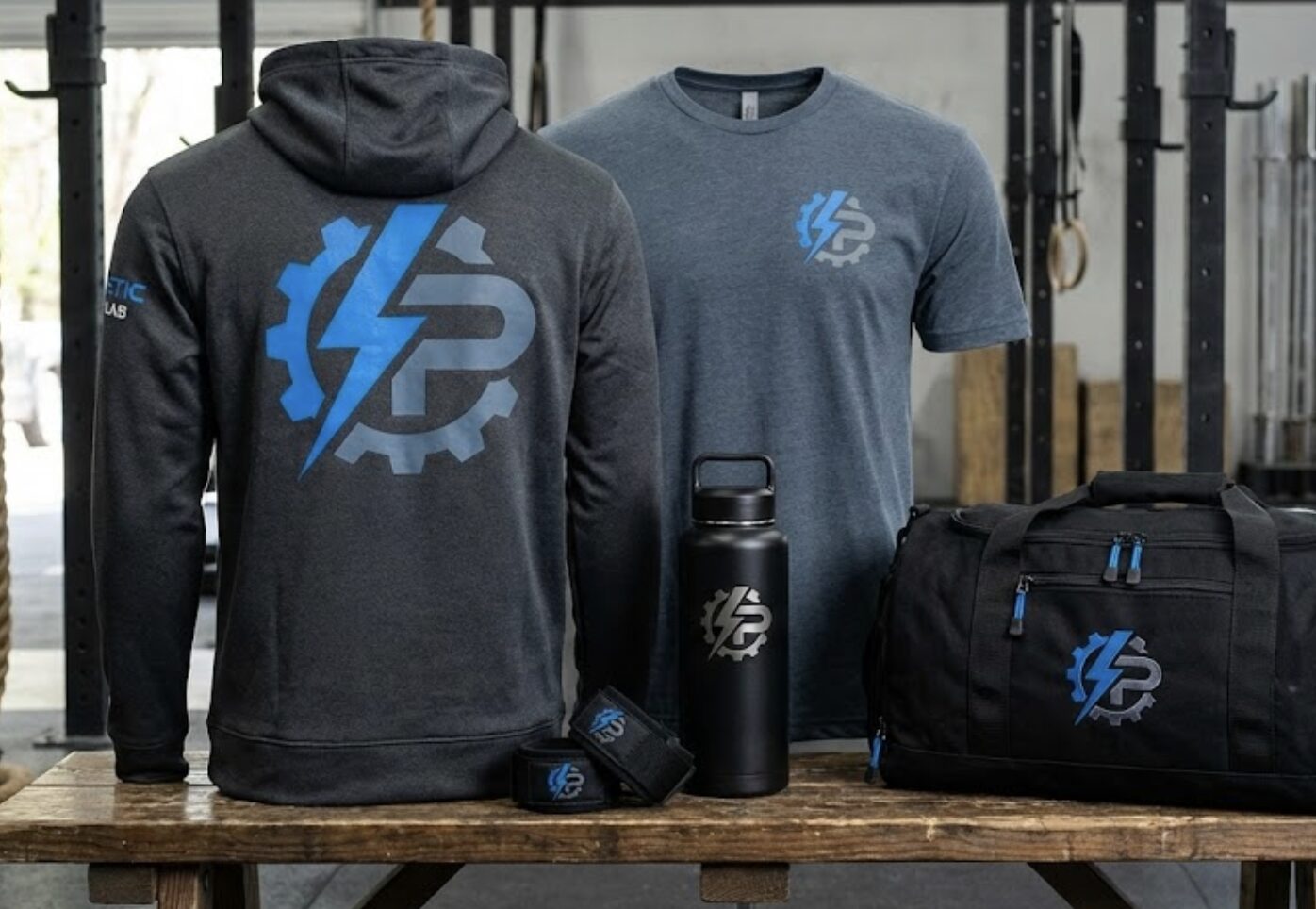
Your Shortcut To Better Branded Merch
This free playbook breaks down what to give, why certain items perform better, and how to build kits people genuinely want to keep. If your goal is swag that supports your brand instead of cheapening it, this guide will save you time, money, and headaches.
Get the PlaybookBrand Consistency Equals Trust Consistency
Every interaction a client has with your materials is a micro-reminder of your reliability.
When your website, emails, folders, thank-you cards, and printed guides all feel like they belong to the same brand—same fonts, same colors, same voice—clients stop questioning your competence.
They begin assuming it.
This is what branding pros call trust compounding. It’s not flashy, but it works.
The ROI Law Firms Don’t Talk About
You can measure the effect of these branded kits in real, financial terms.
If a kit costs $45 to produce and helps close just one additional estate plan or retainer each month, the ROI is enormous. But the bigger return is emotional:
- Clients ask fewer nervous questions.
- They complete tasks faster.
- They don’t shop around after meeting you.
- They tell their friends, “My attorney had everything perfectly organized.”
That’s the power of structured reassurance.
Design Tips That Make Clients Feel Seen
Your kit should whisper competence—not scream marketing.
Stick to these design rules:
- Choose typography that feels clean and confident.
- Use a restrained color palette—navy, charcoal, ivory.
- Opt for texture: linen, soft-touch matte, or heavy card stock.
- Keep your logo subtle; embossing feels high-end, oversized printing feels pushy.
Elegance builds trust faster than information ever will.
Closing The Gap Between Trust And Transaction
A branded kit is the connective tissue between your marketing and your practice.
Before the consultation, your website promises professionalism.
During the consultation, your voice reinforces it.
Afterward, your kit *proves* it.
It transforms an intimidating or emotionally charged process into one that feels calm, clear, and guided.
That’s the difference between a hesitant prospect and a committed client.
Making It Repeatable
Once you build your first kit, it becomes a scalable system.
You can template the materials, standardize the contents, train staff to assemble them, and automate reminders so every new client receives the same polished experience.
Over time, this becomes part of your reputation—a signature touch clients mention at dinner parties:
“Everything was so organized. I actually felt taken care of.”
That’s not marketing. That’s retention.
Beyond First Impressions
Every attorney wants to stand out. But not every attorney realizes that trust is a design problem.
A polished onboarding kit signals clarity, competence, and care—qualities clients crave when making major legal decisions.
You can’t control every fear or hesitation a client brings into the room.
But you *can* control what they leave with: confidence.
And in law, confidence is everything.






0 Comments