
First-time guests decide whether they’ll return within minutes. Before the sermon. Before the worship set. Sometimes before they ever sit down. The environment, the energy, the clarity, and the hospitality all work together to communicate one thing:
You matter here.
A thoughtful welcome kit won’t magically turn a visitor into a committed member. But it absolutely helps shape the emotional tone of their first experience. It sets expectations. It shows intentionality. And it creates a physical moment of warmth in an environment where a lot of people feel nervous or unsure.
The challenge is avoiding the common trap: awkward, outdated, overly corporate welcome bags that feel more like a timeshare packet than an invitation to spiritual belonging. The goal isn’t to overwhelm people with materials. It’s to quietly signal care, clarity, and genuine hospitality.
That’s where a simple, purpose-driven welcome kit shines.
Before we dive into the components, it helps to name what a great welcome kit *doesn’t* do:
- It doesn’t guilt people into staying.
- It doesn’t overload them with booklets they’ll never read.
- It doesn’t push merch for merch’s sake.
- It doesn’t feel corporate, salesy, or stiff.
Done well, it’s friendly, warm, light, and personal. And honestly, that’s what guests need most.
Your Shortcut To Better Branded Merch
This free playbook breaks down what to give, why certain items perform better, and how to build kits people genuinely want to keep. If your goal is swag that supports your brand instead of cheapening it, this guide will save you time, money, and headaches.
Get the PlaybookNow let’s break down the components that make a church welcome kit feel personal instead of pushy.
1. Something Practical
People don’t need more clutter. They need something small, simple, and practical — something they might actually use the same day they receive it.
Examples:
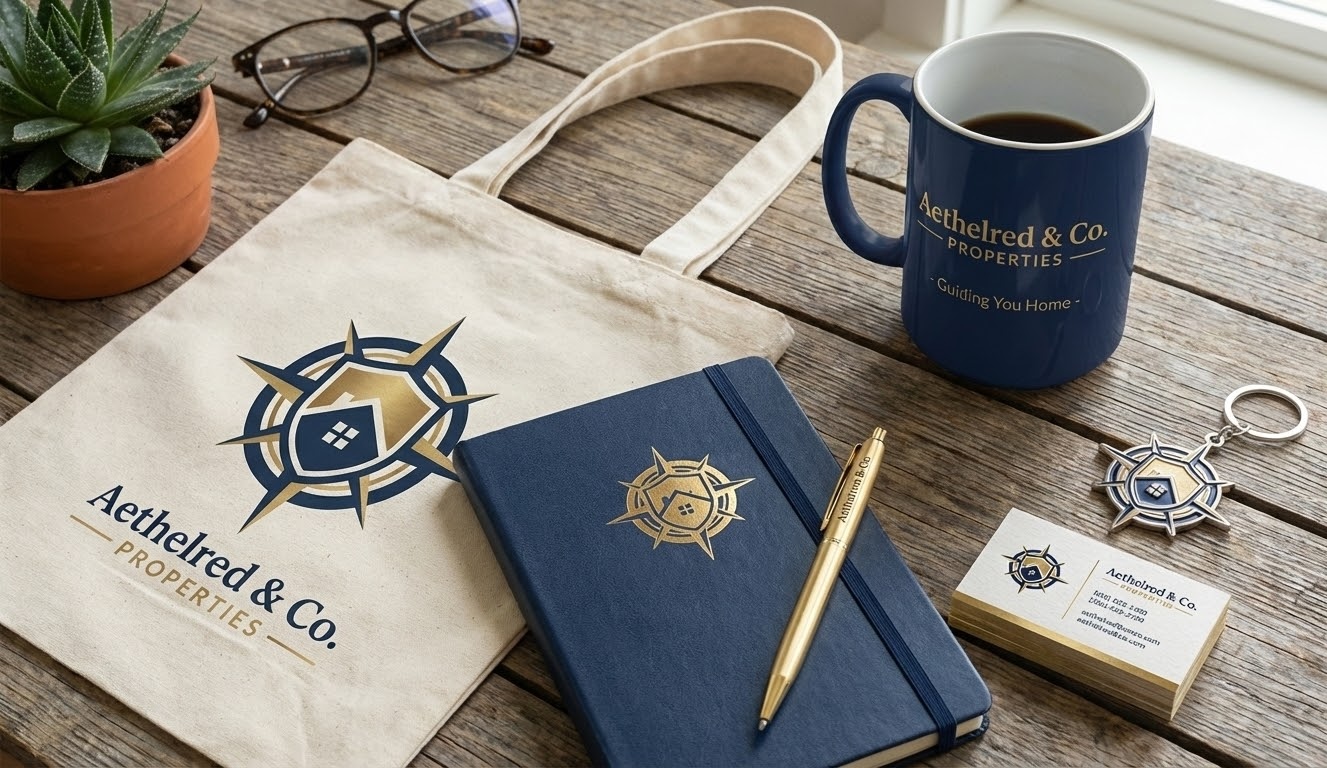
- A branded pen that doesn’t look like a random promo giveaway
- A notepad that feels modern and minimal
- A slim phone stand for taking notes or watching sermon replays later
- A small magnet with your mission statement or a Scripture reference
The key is subtlety. The moment it feels like marketing, trust drops. The moment it feels useful, value rises.
A simple, practical item also makes guests more comfortable during service. They may actually use the pen or notepad during the teaching or jot down a thought they want to remember. It becomes part of their experience rather than a reminder that they’re “new.”
2. A Modern Faith-Forward Sticker
Stickers are one of the most underestimated tools in church hospitality. They’re lightweight. Unintimidating. Shareable. And because they’re not a big commitment, guests feel free to take them without feeling awkward.
But the design matters.
What you want:
- Clean typography
- Minimal artwork
- Neutral, modern colors
- A message aligned with your mission
What you want to avoid:
- Cheesy slogans
- Clipart crosses
- Busy, overwhelming graphics
- Anything that feels like a bumper sticker from 1998
The sticker should reflect your ministry style — not distract from it.
If you want inspiration, see:
Faith-Based Stickers: Small Cost, Big Impact →
These kinds of stickers work well for youth, young adults, families, and even older members. Someone might put it on their laptop, notebook, Bible case, travel mug, or even the fridge. And every time they see it, they’re reminded of their first experience at your church.
3. Printed Info (That Doesn’t Feel Corporate)
Information is essential. Tone is everything.
Your printed materials should:
- Be short and easy to skim
- Use warm, conversational language
- Give clear next steps without pressure
- Feel like an invitation, not a brochure
A few helpful pieces to include:
- Service times and what to expect
- Kids ministry info (safety, check-in, curriculum)
- Small groups or next steps explained simply
- A warm note from the pastor or connections team
A personal touch — even something as small as signing the welcome note — signals real hospitality in a world where most guest experiences feel automated.
Bonus:
Include a card that says something like “We’d love to meet you after service” or “Scan here to say hello.”
Simple. Low-pressure. Inviting.
Optional Add-Ins
You don’t need all of these, but one or two can make the kit feel extra intentional.
- Branded tea bag or coffee sample: A warm, comforting gesture your hospitality team can hand out without adding cost or clutter.
- Simple devotional or Scripture card: Something small enough to tuck in a Bible or journal.
- QR code to a welcome video: Put a friendly face to the name of your pastor or staff. Visitors appreciate context.
Whatever extras you choose, keep them aligned with the experience you want guests to have. The moment the kit becomes bulky or busy, the warmth disappears.
The Real Purpose of a Welcome Kit
A great welcome kit isn’t about the items. It’s about the feeling the items *create*.
You’re signaling:
- You matter.
- You were expected.
- You’re welcome here.
- Your presence is noticed.
That emotional shift changes the way people listen, worship, and connect. It softens walls. It reduces anxiety. It communicates that your church cares not only about attendance — but about people.
People don’t remember every detail of their first visit. But they remember how they felt.
Merging practicality with hospitality is one of the easiest ways to build that feeling with integrity and warmth.
If you want more ideas for ministry-aligned merch that helps build connection and carry your mission beyond Sunday morning, you’ll find a full breakdown here:
See more ministry merch ideas →







0 Comments