
Donors don’t give because they want merch—they give because they believe in your mission, your message, and the real-world impact you’re making. But thoughtful donor gifts can strengthen that belief when they’re intentional, well-designed, and mission-forward. The right piece of merch becomes more than a thank-you item. It becomes a reminder of why they chose to give, a symbol they’re proud to display, and a quiet invitation to continue supporting your work.
The problem? Most donor gifts feel like an afterthought. Generic pens. Thin tote bags. Stress balls no one wants. These items don’t deepen connection—they weaken it by sending the message that the donor relationship was treated as a checkbox instead of a moment for meaningful reinforcement.
If you want your donor gifts to build long-term trust and retention, you have to think differently. You have to choose items that reflect your identity, your values, and the story donors have stepped into. This is not about giving “stuff.” It’s about giving people a physical anchor to the mission they’re now part of.
And when you do that well, donors don’t just feel thanked. They feel aligned.
Upgrade Your Merch Strategy
Inside The Branded Merch Playbook, you’ll find the frameworks, examples, and product picks we use to help organizations deliver merch that feels intentional and elevated. If you want swag that supports retention, loyalty, and trust, this guide lays out the path.
Get the Playbook
1. Purpose-Driven Stickers or Decals
The easiest place to elevate your donor gifts is with small, message-forward items that travel well and spark conversation. Stickers are one of the most effective—and underrated—tools for this.
A sticker doesn’t need to scream your org name to be powerful. In fact, message-first designs almost always outperform logo-first ones because donors want to express values, not serve as walking billboards.
Examples include:
- “Clean Water Changes Everything.”
- “Hope Belongs Here.”
- “Every Child Deserves a Home.”
- “Community Starts With Us.”
These statements stand on their own but instantly connect back to your mission. They allow supporters to show what they care about—not just what they donated to.
They also show up everywhere:
- Laptops
- Water bottles
- Notebooks
- Car windows
When you give donors a sticker worth displaying, you’re giving them something with reach—visibility that travels, connects, and reminds them of the story they’re helping write.
For more ideas, see:
Faith-Based Stickers: Small Cost, Big Impact
2. A Thank-You Card That Feels Personal
This is where most nonprofits unintentionally lose emotional momentum. Donors receive a bland, templated postcard with stock wording and no handwriting anywhere. It feels processed, not personal.
And donors notice.
A meaningful thank-you card:
- Uses real handwriting—at least a signature or short note
- Includes a line or two specific to the campaign they supported
- Feels like it was written by a human, not a system
- Pairs well with a small, thoughtful item
Instead of sending a pile of marketing collateral, send something with warmth:
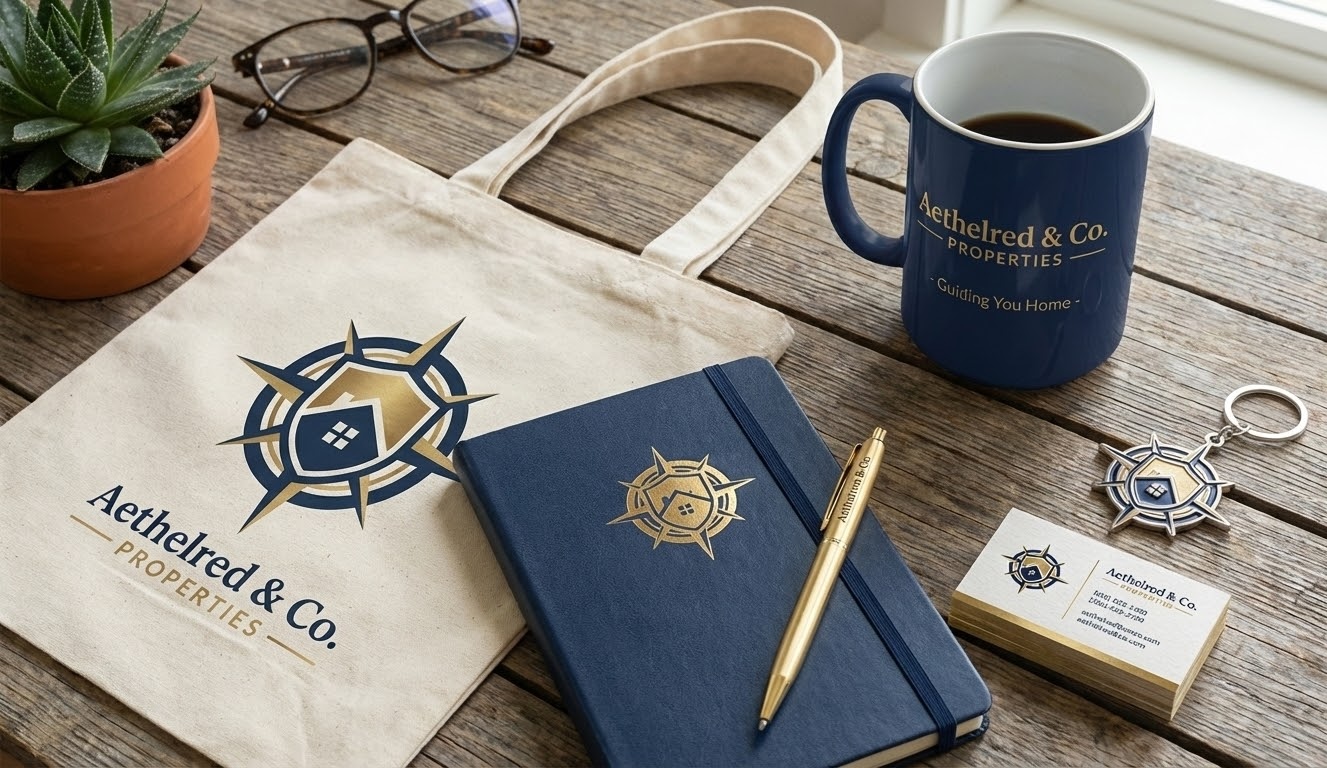
- A small branded notebook tied to a literacy initiative
- A pen with a mission-aligned message, not a giant logo
- A bookmark printed with a story of impact
- A simple Scripture card if faith fits your organization
The card is the emotional centerpiece. The item is the reinforcement. Together, they communicate:
“You matter to us. What you gave matters. And we see you.”
3. Wearables That Signal Purpose
Wearables—shirts, hoodies, hats—can be incredibly powerful donor gifts, but only when they’re done with intention.
The goal isn’t for donors to advertise your organization. The goal is to create pieces they’re proud to wear because the message resonates with their identity.
Think soft fabrics. Clean designs. Modern layouts. Not a giant logo across the chest.
Great wearable donor gifts often feature:
- Campaign slogans
- Mission statements
- A single value word like “Hope,” “Courage,” or “Restore”
- Subtle embroidery instead of heavy screen printing
Wearables transform donors into advocates without you forcing the issue. Someone wearing your mission-driven shirt out in public is signaling alignment and inviting questions organically.
If you hand out wearables that donors genuinely love, they become a living extension of your message.
Why Donor Gifts Matter More Than You Think
A donor gift isn’t just a thank-you. It’s a retention strategy.
People give emotionally first and rationally second. The item you send after a gift becomes one of the most important emotional touchpoints in their entire donor journey. It can:
- Reinforce trust
- Anchor identity
- Encourage repeat giving
- Create pride in participation
When your donor gifts are well designed, they become:
- Conversation starters
- Reminders
- Community builders
- Symbols of shared purpose
That’s why merch matters. Not because it’s “stuff,” but because it’s meaning made tangible.
What Donors Don’t Want
Avoid giving anything that screams “cheap swag”:
- Stress balls
- Rubber bracelets
- Flimsy notebooks
- Scratchy t-shirts
- Pens that skip after two uses
If it looks like an afterthought, it becomes one.
Donors should feel honored, not processed.
Equip Supporters to Carry the Mission Forward
The best donor gifts extend your impact long after the donation is made. They live on desks, inside bags, on kitchen counters, on cars, and on backpacks.
They continue the campaign quietly but powerfully.
If you want to explore more ways to turn merch into mission-forward donor engagement, here’s the next place to go:






0 Comments