
There are two types of messages clients receive from law firms: the official ones and the human ones. The official ones come printed, templated, or PDF’d. They are structured, compliant, and usually written at a reading level that suggests you are drafting UN resolutions. Necessary, yes. Memorable, no.
Then there is the human message. The handwritten note. The one that does not follow a template. The one that introduces warmth into a profession that can feel colder than a conference room thermostat set by a partner who wears three-piece suits year-round.
It is the smallest item in your client experience stack, yet strangely, it is often the most impactful. And in estate planning and business law, where emotions run high and clarity matters, the handwritten note is a trust multiplier. It is the emotional ROI nobody told you about in law school.
Why A Handwritten Note Hits Harder In Law Than Any Other Profession
Most industries can get away with digital-only communication. Attorneys cannot. Clients do not just hire you for documents. They hire you for security. They hire you for order. They hire you for the feeling that someone competent sees the full picture and cares enough to help them navigate it.
So when a handwritten note shows up, it disrupts the default expectation. Not with flash. With presence.
Clients think:
- You stopped long enough to write this.
- You saw me, not just my file.
- My situation mattered enough for a personal touch.
Estate clients, in particular, often deal with grief, transitions, blended family stress, legacy concerns, or the quiet fear of leaving burdens behind. A handwritten note becomes an anchor in the middle of emotional uncertainty.
Business clients feel it too. Behind every entity is a person who wants to know their legal team sees them as more than a transaction.
This small gesture shifts the entire client experience into something warmer, steadier, and more relational.
It Is Not About Being Sentimental
Attorneys sometimes overthink this. They assume a handwritten note means writing flowery language, emotional paragraphs, or some Hallmark-level acknowledgment. Not at all.
A handwritten note is valuable because it is:
- brief
- specific
- personal
- unexpected
You are not aiming for poetry. You are signaling humanity.
Something as simple as:
“Thank you for trusting us with this important work. We’re with you every step.”
can reshape the entire client journey.
This is why firms using polished, thoughtful touchpoints see stronger engagement, a concept expanded inside The Ultimate Guide to Branded Merch for Law Firms.
Get The Branded Merch Playbook
A clear and practical guide to choosing branded materials clients actually keep. See what items reinforce trust, how to use them strategically, and why certain touchpoints make clients feel genuinely supported during stressful legal processes.
Get the Playbook
The Science Behind Why A Handwritten Note Works
There is something strange and wonderful about handwriting. Neurologically, humans read it differently than typed text. It activates recognition. It signals effort. It triggers emotional recall.
Handwriting says: a human being cared enough to slow down.
In an environment filled with templates and digital noise, handwriting becomes a highlight.
For estate planning clients, whose emotional bandwidth is stretched thin, handwriting feels grounding. For business clients who juggle risk and oversight, handwriting feels clarifying.
There is also a physicality factor. People keep handwritten notes. They pin them. They slip them into folders. They leave them inside estate binders. They rediscover them at the exact moment they need reassurance.
It becomes a durable emotional cue.
When To Send A Handwritten Note
You do not need fifty variations. You need the right moments. Here are the ones that matter, especially for estate and business law.
1. After The Initial Consultation
Clients arrive anxious. They leave processing. A handwritten note tells them:
We heard you. We understand the weight of what you are facing. And yes, you chose the right firm.
2. When Sending The Draft Documents
Estate planning drafts often bring up feelings. Business contracts often bring up questions. A small note saying:
“Review at your own pace. I am here for whatever you need.”
lowers the emotional temperature instantly.
3. At Signing Or Finalization
This is a milestone moment. For estates, it can feel like closure. For business clients, like protection. A handwritten card turns the signing into something meaningful instead of transactional.
4. After A Client Shares Something Personal
Sometimes clients reveal loss, fear, transition, or stress. Following up with a handwritten note acknowledges the human side of their legal decision-making.
5. On The Anniversary Of Their Plan Or Entity Formation
This is wildly underrated. Estate plans and business structures change over time. A short handwritten card serves as a soft reminder without feeling like a marketing push.
What To Write Without Sounding Forced
You are not writing a diary entry. You are signaling clarity, care, and competence.
Here are clean, law-appropriate examples:
“Thank you for the clarity and trust during today’s meeting. You’re navigating important decisions, and we’re here for every step ahead.”
“Your business has a strong foundation. It was a privilege helping you protect it.”
“Your family’s plan is thoughtful and well-considered. Glad we could help bring peace of mind to the process.”
Short. Warm. Professional.
The Handwritten Note + Modern Materials = A Trust Engine
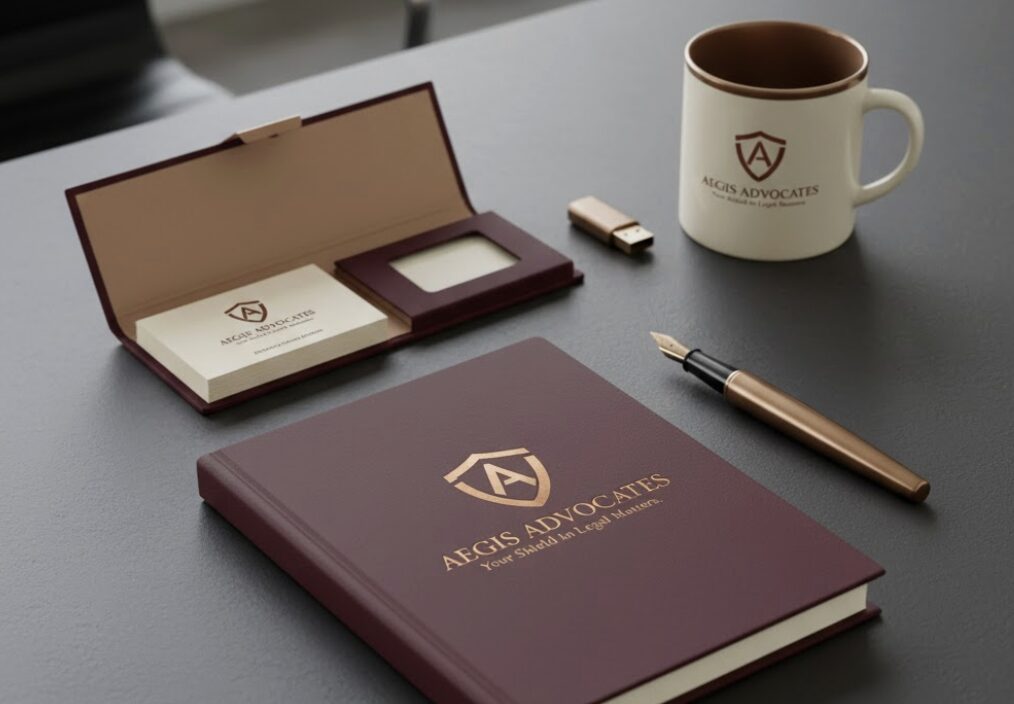
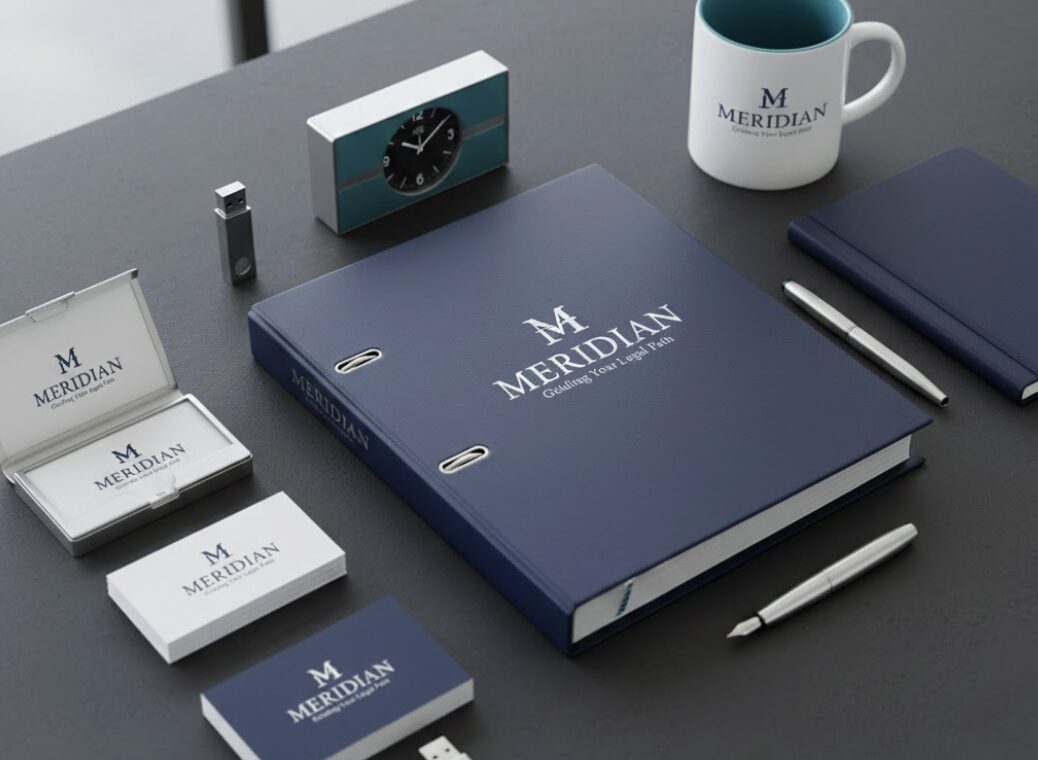
A handwritten note is powerful on its own, but even stronger when paired with intentional materials. The modern client expects clarity, organization, and structure. When your note arrives inside a polished packet, folder, or branded sleeve, it does not feel like an afterthought. It feels like part of a system.
This is where branded items elevate the emotional experience. A note tucked inside a quality estate binder shapes the perception of the entire plan. A note placed inside a business client’s document sleeve turns the materials into something personal instead of procedural.
It is the quiet combination of:
- clarity
- order
- warmth
- professionalism
It is also why the strategies inside The Ultimate Guide to Branded Merch for Law Firms resonate so strongly with firms trying to upgrade their client experience.
How Handwritten Notes Strengthen Long-Term Client Relationships
In estate and business law, the biggest opportunities come from long-term engagements: annual reviews, entity updates, succession planning, trust funding, new business ventures, restructuring, or gifting strategies.
A handwritten note becomes a long-tail relationship anchor. Clients remember who took the time to acknowledge them personally. They feel more comfortable reaching out. They feel more confident asking questions. They feel seen.
And when people feel seen, they return.
Not because of persuasion. Because of connection.
The ROI You Cannot Measure On A Spreadsheet
Return on investment is usually calculated in dollars. But the ROI of a handwritten note is emotional, relational, and reputational.
It shows up in:
- clients who refer organically
- clients who return with bigger matters
- clients who follow instructions more clearly
- clients who trust your guidance faster
- clients who see your firm as a partner, not a vendor
This is the part nobody teaches attorneys. The fastest way to elevate the client experience is not through gifts or grand gestures. It is through meaningful, thoughtful, human communication.
The Bottom Line: Humanity Scales Better Than Marketing
Marketing gets you attention. Humanity earns you loyalty.
Handwritten notes are not quaint. They are not outdated. They are not inefficient. They are a high-impact, low-cost way to reinforce the emotional side of legal decision-making.
For law firms that want clients to feel supported, not shuffled through a system, a handwritten note is the clearest signal you can send.
One sentence. One card. One moment of presence.
It is the smallest touch that delivers the biggest emotional return.





0 Comments