
The Smallest Gesture With The Biggest Impact
Let’s be honest—most client gifts from financial advisors feel about as personal as a corporate tax form. Nice? Sure. Memorable? Not really.
That’s where the handwritten note changes everything. It’s low-cost, high-impact, and deeply human in an industry that too often feels cold and automated.
Clients don’t hang on to the tissue paper or the branded pen. But that little card, written in your handwriting? It gets tucked away, reread, and remembered.
This isn’t fluff. It’s a strategy. The handwritten note is your emotional multiplier—the thing that makes every other part of your gifting effort actually land.
Why Authenticity Outperforms Automation
Advisors love efficiency tools: CRMs, workflows, automations. Great for onboarding. Terrible for emotional connection.
When every email feels like a mail merge, clients stop believing it’s really from you. That’s where the handwritten note flips the script.
It’s physical proof you slowed down. You took time. You thought about them specifically.
That authenticity can’t be templated. It’s the human equivalent of compound interest: small effort, massive long-term yield.
If you’ve ever sent a client gift that fell flat, pairing it with a handwritten note instantly doubles the perceived value. It makes your brand feel real again—something that’s tough to replicate digitally.
How Handwritten Notes Build Loyalty
There’s science behind this. We remember emotional experiences far longer than transactional ones.
When you send a note that acknowledges not just the relationship but the *journey*—their first big milestone, retirement, or even a tough year—they don’t just see you as their advisor. They see you as someone who gets them.
That’s the difference between satisfied clients and fiercely loyal ones.
Think about this: a short note costs maybe two minutes of your time and a dollar in materials. But it can trigger years of retention.
Even better? It makes every part of your branded merchandise feel more intentional. As explored in our breakdown of thank-you kits in financial services, retention isn’t about budget—it’s about connection.
When To Include The Note (Timing Matters)
A handwritten note isn’t a one-size-fits-all add-on. The magic is in *when* you send it.
Here are the best times to write one:
- Onboarding: Thank them for trusting you. Make it personal: mention their specific goals or how excited you are to help them reach them.
- Annual Review Season: Pair it with your report packet. “Grateful for another year of partnership” hits harder than another market summary.
- Milestone Moments: Retirement. College tuition paid off. Debt-free celebration. These are the times when people crave acknowledgment more than analysis.
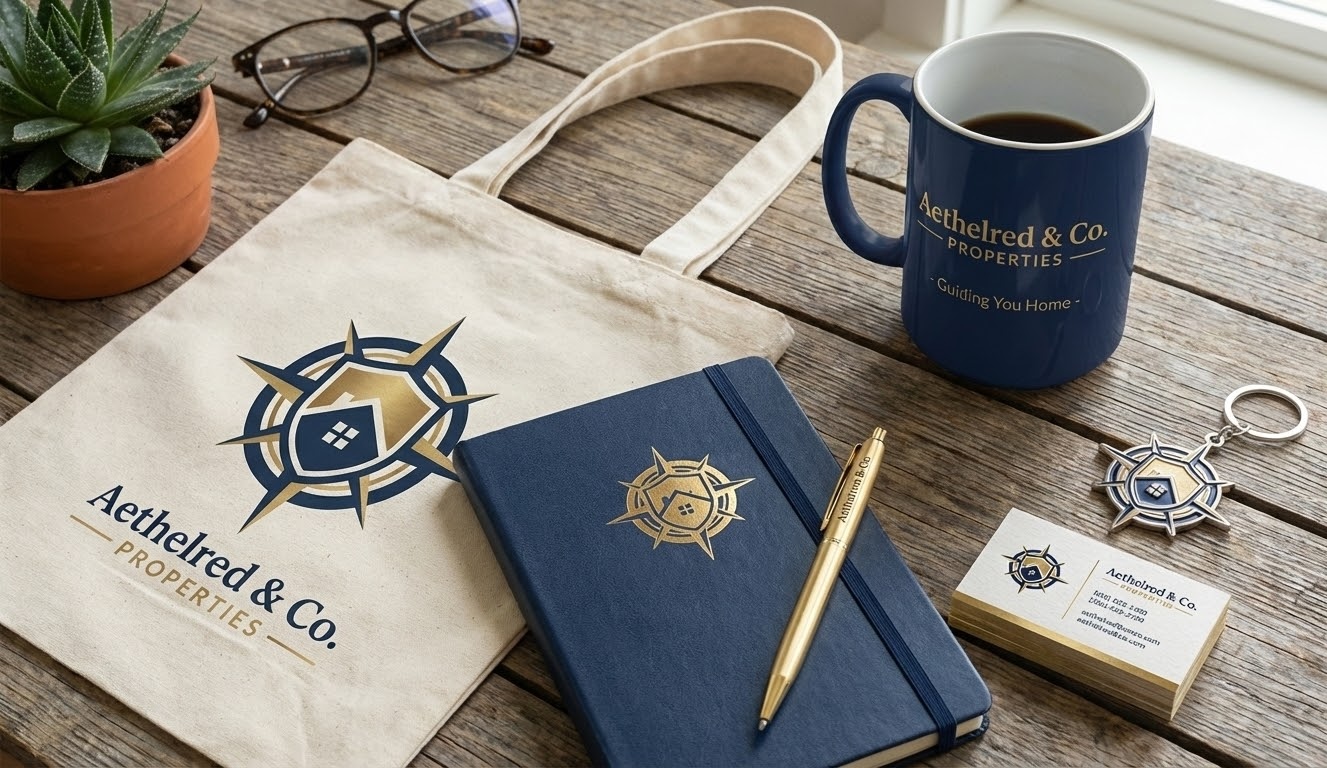
And if you want to tie it all together, send your note with something tangible, like a simple branded mug or custom folder. You can see how that integration works in advisor kits designed for the first 90 days. A handwritten note inside those kits turns functional items into emotional anchors.
The 3-Second Rule Of Perception
When a client opens your package, you have about three seconds to make an impression.
Branded merchandise creates the visual “wow.” The handwritten note delivers the emotional “whoa.”
That small card, placed on top, signals warmth before they even open the rest. It frames everything else that follows as thoughtful instead of promotional.
No matter how polished your brand is, this human touch makes it approachable. You go from being “the advisor who sent me something” to “the advisor who actually knows me.”
What To Write (Even If You Hate Writing)
You don’t need to be poetic. You just need to be real.
Skip the formal tone. Write like you talk. A few ideas:
- “I really appreciated our conversation about your next chapter. It’s clients like you that remind me why I do this.”
- “Congrats on hitting your savings goal! You worked hard for this—time to enjoy it.”
- “Thanks again for trusting us with your plan this year. Here’s to another season of growth and gratitude.”
Short sentences. Genuine voice. A little warmth goes a long way.
And yes, your handwriting matters—even if it’s messy. That imperfection is what makes it believable. Nobody’s framing a note that looks printed from Microsoft Word.
Why It Works Better Than Email
Emails are disposable. Handwritten notes aren’t.
They sit on desks, get pinned to bulletin boards, and sometimes even end up in keepsake boxes. That’s real estate money can’t buy.
In fact, some advisors report clients referencing notes *years* later. That’s the power of tactile connection—it imprints your presence in their physical world.
If you’re already investing in gifting, the handwritten note is your lowest-cost, highest-yield upgrade. You can spend less on the “stuff” and still deliver more emotional value.
Want to see how physical presentation amplifies trust? Check out why welcome kits help advisors build immediate trust. The principle is the same: combine tangible design with human warmth.
The Psychology Behind “Effort Signaling”
Here’s the twist—clients don’t consciously measure your time, but they can *feel* it.
A handwritten note triggers something called “effort signaling.” It subconsciously tells the recipient that you invested real, unrecoverable effort. And that effort translates directly into perceived care.
It’s the same reason people keep handwritten thank-you cards but toss pre-printed ones. The ink says what words can’t: you mattered enough for me to pause.
Scaling Without Losing Soul
Yes, it’s time-consuming. But you don’t have to handwrite 200 notes a month.
Batch your efforts. Write three to five per week. Keep a running list of moments that deserve one.
You can even mix formats—use high-quality stationery with your logo and a consistent ink color so everything feels branded, even if your handwriting changes from day to day.
Remember, the goal isn’t to be perfect. It’s to be personal.
From Commodity To Connection
In an industry obsessed with numbers, the handwritten note is your emotional arbitrage. You invest minutes, you gain years of goodwill.
It’s how advisors transform from service providers into trusted partners.
Clients may forget your market forecast, but they won’t forget the card that said, “I’m proud of how far you’ve come.”
So the next time you assemble a gift, pause before sealing the box. Add the note. Add the warmth. Add *you.*
That’s where loyalty lives—in the ink, not the inventory.






0 Comments