The Magic of the First 30 Days
Every financial advisor knows the first month of a client relationship is fragile. Your clients are watching, evaluating, and maybe even Googling your name late at night just to double-check they didn’t make a mistake. An onboarding kit can tip the scales in your favor. It’s not about lavish gifts. It’s about small, thoughtful touches that say, “We’re organized. We care. And we’re here for the long haul.”
The first 30 days set the emotional tone of the entire relationship. If the experience feels smooth, intentional, and confidence-building, clients relax. If it feels chaotic or impersonal, doubt creeps in quickly. In an industry where trust is your currency, those early impressions aren’t just nice to have—they’re strategic assets.
Good onboarding helps bridge the psychological gap between “I hired you” and “I trust you.” And when you reinforce that trust with a well-crafted kit, you turn a moment of vulnerability into a moment of confidence.
Why Onboarding Kits Work
Human brains love symbols. That’s why wedding rings, diplomas, and team jerseys hold such power. A new client kit acts as a symbol too—it transforms a folder full of paperwork into an experience. It tells your client, “You’re not just signing forms. You’re joining something intentional.”
For advisors, this is more than hospitality. It’s about building trust, lowering skepticism, and reducing the sense of risk clients often feel when shifting their financial future into someone else’s hands. A well-designed kit signals competence, care, and clarity—qualities that reduce anxiety and strengthen emotional buy-in.
Clients don’t always judge based on performance data (especially early on). They judge based on how you make them feel. Kits help you shape that feeling deliberately.
Compliance Rules in Plain English
Let’s address the elephant in the conference room: compliance. You can’t gift lavish vacations or steakhouse dinners disguised as “welcome perks.” But that doesn’t mean you’re limited to paper clips and handshake emojis. FINRA and SEC rules are generally fine with modest, practical items that serve a business or relationship-building purpose.
That means your kit should be:
- Modest in dollar value
- Useful, not flashy
- Professional, not personal luxury
So no Rolexes. But yes to branded mugs, folders, functional items, and thoughtful notes. Compliance doesn’t restrict meaning; it simply restricts extravagance. You can still create an experience that feels polished and premium—without breaking rules or budgets.
Essential Items for a Client-Friendly Kit
1. Branded Notebook
Clients take notes in meetings whether you provide a pad or not. A sleek, branded notebook makes their notes feel like part of the process and keeps your name top-of-mind. Bonus: it looks a lot better than them scribbling strategy ideas on the back of a grocery list.
2. Quality Pen
Skip the cheap, clicky kind that leaks ink faster than your uncle’s “guaranteed stock tips.” Invest in a solid, smooth-writing pen. It communicates quality without shouting it.
3. Organized Folder or Binder
Paperwork is part of the deal. But presenting it in a neat, branded folder shows you value order. It also helps clients feel like their financial life isn’t just a pile of loose forms.
4. Coffee Mug or Tumbler
Caffeine fuels financial planning. A good mug or tumbler not only gets daily use but also turns you into a subtle part of your client’s morning ritual.
5. Stress Reliever (Tasteful)
Money conversations can be stressful. A simple, branded stress ball or small desk toy adds a human touch. Just keep it professional—no “get rich quick” slogans or dollar-sign gimmicks.
6. Handwritten Welcome Note
This one is non-negotiable. A handwritten note is often the single most impactful part of the kit. It feels personal, authentic, and it proves that behind the spreadsheets, there’s a real person who cares.
Your Shortcut To Better Branded Merch
This free playbook breaks down what to give, why certain items perform better, and how to build kits people genuinely want to keep. If your goal is swag that supports your brand instead of cheapening it, this guide will save you time, money, and headaches.
Get the PlaybookOptional Add-Ons for Extra Touch
- Desk Plant (Mini): Something small, low-maintenance, and professional like a succulent. Symbolizes growth.
- Branded Tech Accessories: Phone stand, webcam cover, or microfiber cloth—items that tie naturally into daily routines.
- Wellness Item: A branded water bottle or pack of herbal tea bags keeps the kit thoughtful without pushing into extravagance.
The beauty of addons is flexibility. They let you adjust the kit based on client personality, planning style, or even meeting setting (virtual vs. in-person). These small touches make the kit feel curated, not generic.
Packaging Matters More Than You Think
The items themselves are important, but presentation is everything. A plain cardboard box says “Amazon.” A neatly packed box with branded tissue paper says “intentional.”
If conferences and retreats can turn basic swag into brand moments, advisors can too. A well-packaged kit conveys professionalism before the client even touches the contents. It sets expectations before the relationship truly begins.
Even better: clients often share aesthetically pleasing kits on social media or with friends—organically widening your reach without you ever asking for a referral.
How to Scale Kits Without Losing the Personal Touch
If you have dozens of new clients each quarter, handwriting every note may sound daunting. Here’s the trick: standardize the kit, personalize the note.
The kit becomes your polished system.
The note becomes the heartbeat of the experience.
Think of it as the difference between a mass-produced book and an author’s signature—both matter, but the signature is what makes it special.
Automation handles logistics; intention handles connection.
Compliance-Safe Humor (Yes, You Can Have Some)
Adding a little personality is not only allowed—it’s smart. A stress ball shaped like a globe can carry a subtle message: “We’ll help you keep your financial world in order.” A mug with your logo and a playful slogan like “Fueled by Compounding” can strike the perfect tone.
Just avoid anything that could be misread as a promise of returns or a guarantee of performance. Humor should disarm, not mislead.
When to Deliver the Kit
Timing is key.
If you deliver it:
- Too early → feels like a sales gimmick.
- Too late → the emotional moment has passed.
The best moment?
Right after paperwork is signed, as the relationship begins in earnest. Handing it over in-person adds weight. Mailing it within the first week works beautifully for virtual clients.
The timing reinforces confidence at the exact moment clients need reassurance the most.
The Ripple Effect on Referrals
You can’t (and shouldn’t) bribe clients for referrals. But a great onboarding experience gives them a natural story to share. Picture it:
“My advisor actually gave me this whole kit when we started—it felt so professional.”
That kind of organic storytelling travels farther than campaigns, ad budgets, or referral scripts. Kits create memorable moments—and memorable moments get repeated.
The Long Game: Building Relationship Equity
Ultimately, onboarding kits aren’t about pens, mugs, or plants. They’re about psychology. They reduce skepticism, create positive first impressions, and set the tone for a relationship built on trust.
They’re compliance-friendly tools that remind clients you’re not just managing numbers—you’re managing a partnership.
A well-crafted kit says:
- You’re in good hands.
- This experience is curated, not chaotic.
- Your advisor pays attention to detail.
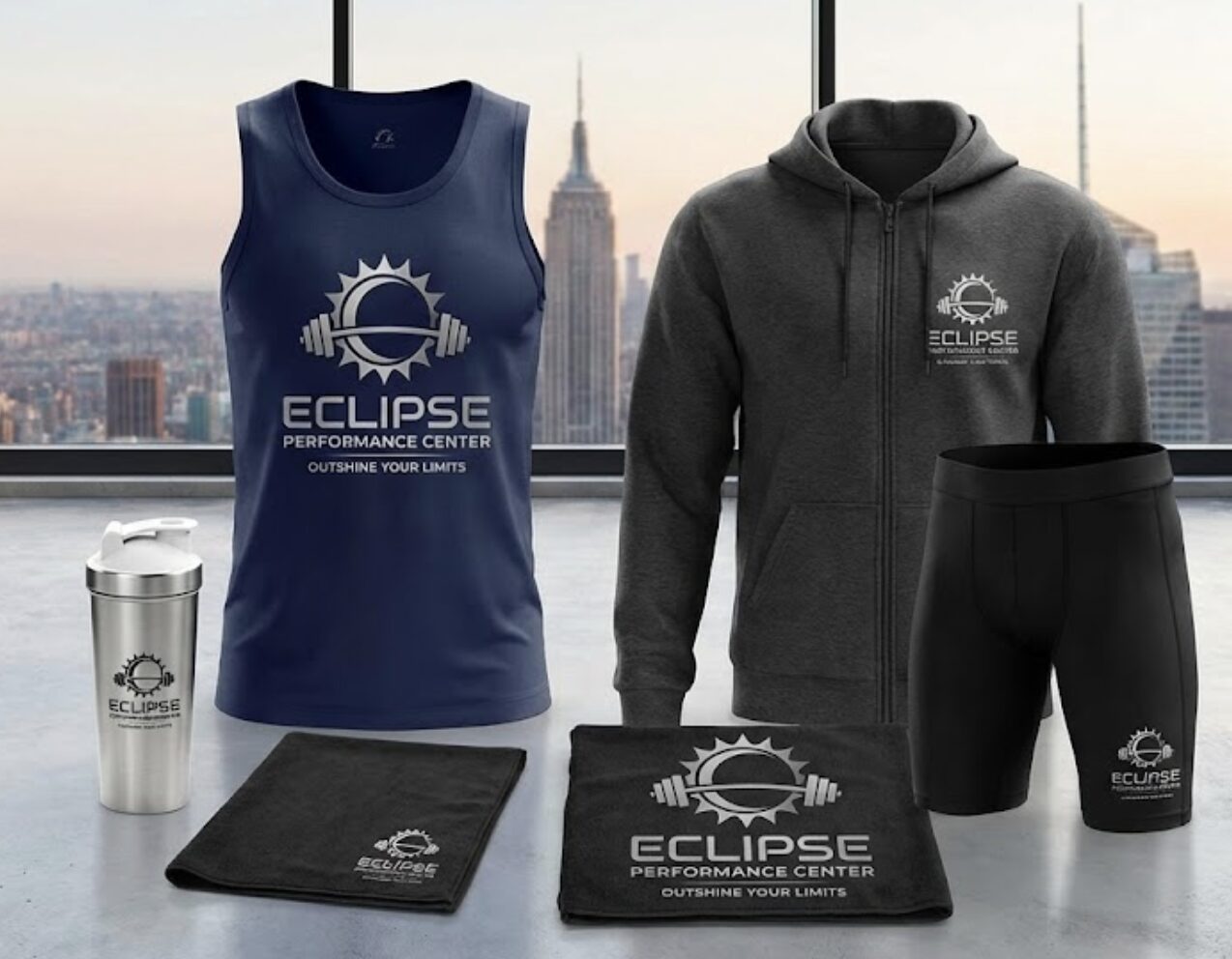
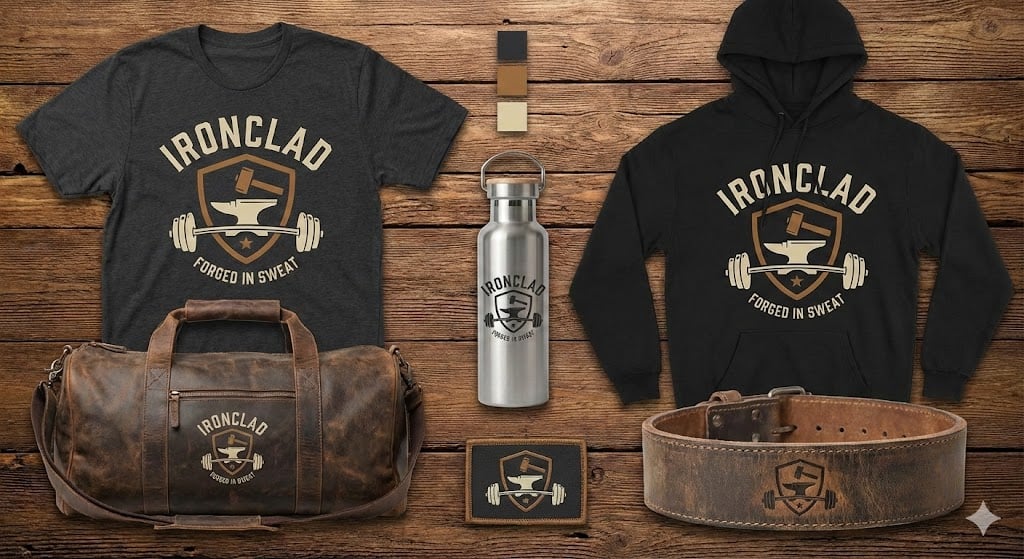
If you’re unsure where to start, explore the merch kit gallery for combinations that balance professionalism, warmth, and practicality. What goes into the kit matters—but what it communicates matters more.
When clients feel that intentionality from day one, your next 30 days, 30 months, and 30 years start on much stronger footing.




0 Comments