
Walk into enough gyms and you start to see the pattern.
There is a pile of free shirts somewhere near the front desk. Old challenge tees. Event leftovers. Random sizes. Faded prints. Everyone is technically welcome to take one.
Almost no one does.
Free shirt merch feels generous on paper. In practice, it often communicates the opposite of what gym owners intend. Instead of signaling value, it signals excess. Instead of building pride, it creates indifference.
Brand-building apparel plays a completely different role. It is not about giving something away. It is about reinforcing identity in a way people actually want to carry into their lives.
Why “Free” Changes How People Perceive Apparel
Free triggers a different mental category.
Free means optional. Free means low risk. Free often means low value.
When a shirt is free, members assume it was cheap to make, easy to replace, and not particularly important. That assumption happens instantly and subconsciously.
Brand-building apparel never starts with free as the headline. It starts with intention.
The Subtle Signal Members Pick Up On Immediately
Members are experts at reading environments.
They notice fabric quality. Print weight. Fit. Color choice. They notice whether staff wear the apparel proudly or only when required.
When a shirt is free, members assume it is promotional. When apparel is positioned as part of the brand, members assume it has meaning.
That difference shows up in whether the shirt gets worn again.
Free Shirt Merch Lives In A Drawer
Think about the free shirts you own.
Most of them live in drawers, closets, or the bottom of gym bags. They get used for sleep, painting, or emergency laundry days.
They rarely become favorites.
Brand-building apparel lives in rotation. It gets chosen intentionally. That choice is the entire point.
Why Giveaways Create Short-Term Excitement And Long-Term Noise
Giveaways feel good in the moment.
People smile. They grab a size. They thank you.
Then the moment passes.
Brand-building apparel is designed to outlast the moment. It is meant to be worn weeks later, months later, in places that have nothing to do with the gym.
That longevity is where the brand value compounds.
The Cost Illusion Of Free Shirts
Free shirts are rarely cheap in reality.
They require larger quantities. They create leftovers. They increase waste. They often get reordered without much thought.
Brand-building apparel is usually ordered in smaller runs with higher quality. The unit cost may be higher, but the cost per meaningful impression is far lower.
How Free Merch Trains Members To Expect Less
When apparel is always free, members learn not to value it.
They wait for the next giveaway. They skip purchases. They associate merch with promotions instead of pride.
This training effect is subtle but powerful.
Brand-building apparel reverses that conditioning by reintroducing choice and intention.
Why Not All Apparel Should Be Earned Or Gifted
This is where nuance matters.
Brand-building apparel is not about charging for everything. It is about clarity.
Some apparel is earned. Some is gifted. Some is available for purchase. Each category has a role.
The mistake is treating all apparel as disposable giveaways.
The Role Of Friction In Perceived Value
A small amount of friction increases value.
Choosing a size. Making a decision. Paying a fair price. Earning a milestone.
None of these are barriers. They are signals that the item matters.
Free shirt merch removes all friction and, with it, perceived value.
Why Fit And Fabric Matter More When Apparel Is Not Free
When apparel costs something or is positioned as special, expectations rise.
That is a good thing.
It forces better decisions. Better blanks. Better fits. Better designs.
Brand-building apparel welcomes those expectations instead of avoiding them.
The Difference In How Staff Talk About Each Type
Listen to how staff introduce apparel.
Free shirt merch gets a shrug. “You can grab one if you want.”
Brand-building apparel gets context. Why it exists. What it represents. When it shows up.
Language follows intention.
How To Choose Branded Merch People Actually Keep
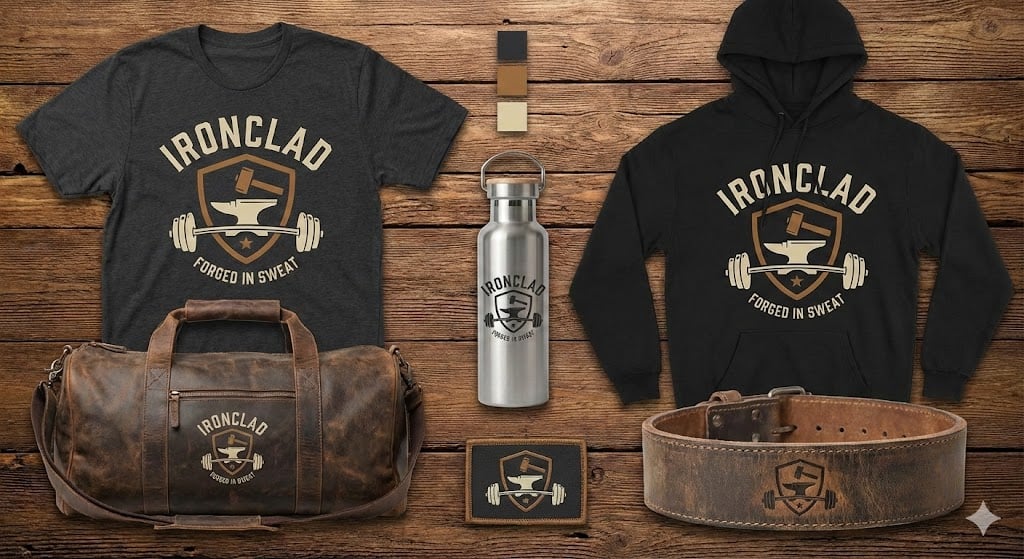
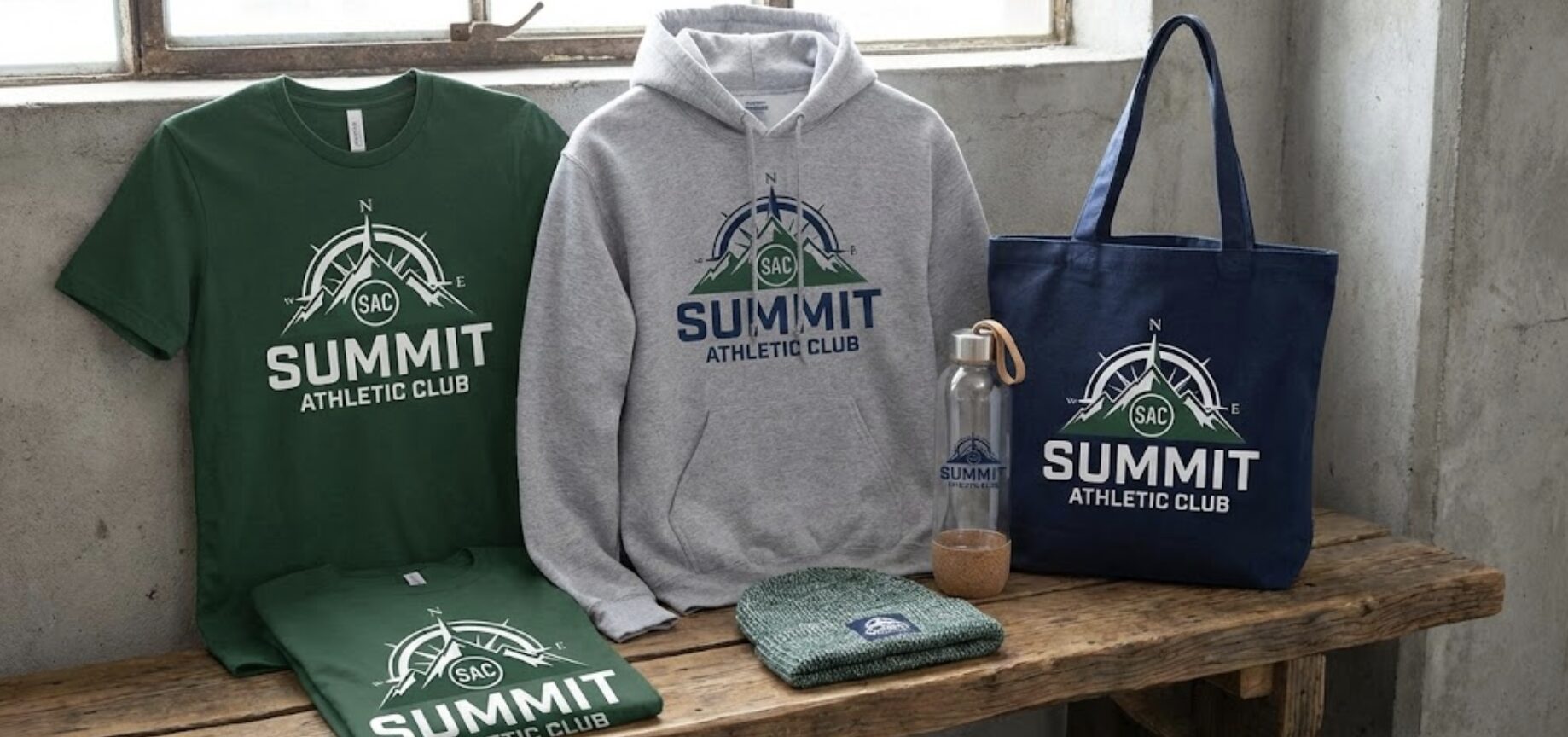
Most gyms default to free shirts because they are easy. Brand-building apparel requires more thought, but it delivers far more value. The Branded Merch Playbook breaks down how to avoid wasted swag and choose apparel people actually want to wear, keep, and associate with your brand. Inside you will find real examples, smart product picks, and pricing context so you can make better decisions with confidence.
Get the Playbook
Why Brand-Building Apparel Escapes The Gym
Free shirts stay inside the gym ecosystem.
Brand-building apparel escapes it.
People wear it to the grocery store. To school pickup. On travel days. On rest days. That visibility happens naturally because the apparel fits into real life.
That is not marketing. That is alignment.
The Emotional Difference Between “Here You Go” And “This Is For You”
Free merch often feels transactional.
Brand-building apparel feels intentional.
That emotional difference changes how people receive it and how they remember it.
How Giveaways Can Still Work Without Undermining The Brand
Giveaways are not the enemy.
Unintentional giveaways are.
When giveaways are limited, purposeful, and tied to moments that matter, they can reinforce brand value instead of diluting it.
The key is not making them the default.
Why Brand-Building Apparel Ages Better
Trendy giveaway designs age quickly.
Brand-building apparel aims for longevity. Neutral palettes. Clean marks. Designs that still make sense years later.
This longevity turns apparel into a memory artifact instead of a disposable item.
The Impact On Local Visibility
Free shirts rarely get worn publicly.
Brand-building apparel becomes local signal.
People start recognizing the logo. Associating it with quality. Asking about it.
This happens without hashtags, campaigns, or incentives.
How Pricing Clarity Builds Trust
When apparel has a clear price or clear earning criteria, members trust it more.
No guessing. No waiting for the next free drop. No confusion.
Trust reduces friction and increases engagement.
Why Some Apparel Should Never Be Free
Your best pieces should not be free.
They anchor the brand. They set the tone. They show what quality looks like.
Giving them away undermines their role.
The Long-Term Cost Of Training Members To Expect Free
Once members expect free apparel, it is difficult to reset.
Every paid item feels expensive by comparison, even if it is fairly priced.
Brand-building apparel avoids this trap by establishing value from the start.
Connecting Apparel Strategy To A Bigger Brand System
The strongest gyms treat apparel as part of a larger system.
Staff apparel. Member gifts. Limited runs. Select retail items.
When each piece has a role, nothing feels random. Resources like The Ultimate Guide to Branded Merch for Gyms and Health Clubs outline how these pieces work together without turning merch into noise.
Why Reframing Apparel Changes Everything
Free shirt merch asks, “How do we give something away?”
Brand-building apparel asks, “What do we want people to carry with them?”
That question produces better decisions, stronger identity, and less waste.
When Apparel Stops Being A Giveaway And Starts Being A Signal
Signals travel farther than stuff.
They shape perception. They influence behavior. They reinforce belonging.
The gyms that understand this stop handing out shirts and start building brands people want to wear.
That shift is small on the surface and massive in impact.


0 Comments