
Let’s be honest—most school fundraiser merch feels like… a fundraiser. A T-shirt with a giant logo in a color nobody asked for. Hoodies that look okay in the mockup but feel scratchy in real life. Designs that scream “please support us,” instead of “you’ll actually want to wear this.”
And that’s the problem.
If your fundraiser merch only sells because families feel obligated, you’ll get a one-time bump, not sustained support. But when your merch has real style, clear storytelling, and actual wearability, it becomes something families look forward to every year.
Fundraising merch should feel like apparel they’d pick up at a boutique or campus bookstore—not something they bought to be nice. When you align quality, mission, and aesthetics, you create repeat buyers, stronger school spirit, and higher margins.
Below are three fundraiser merch ideas that actually work—and why they outperform the traditional “slap the logo on a cheap tee” approach.
Make Your Swag Impossible To Ignore
The Branded Merch Playbook reveals how schools, clinics, and organizations create high-impact kits without blowing their budget. Learn which products work, which ones flop, and how to design merch that clients, families, or staff actually remember.
Get the Playbook1. Weekend Wear with Style
Fundraiser merch succeeds when people forget it’s fundraiser merch. The moment it feels like a fashion choice rather than a duty, sales climb—fast.
The easiest way to get there? Create items that look great outside of school.
Parents and students are far more likely to buy if the piece fits their regular wardrobe. That’s why the most successful fundraising drops focus on:
- Soft neutral tees in cream, sand, washed black, or heathered gray
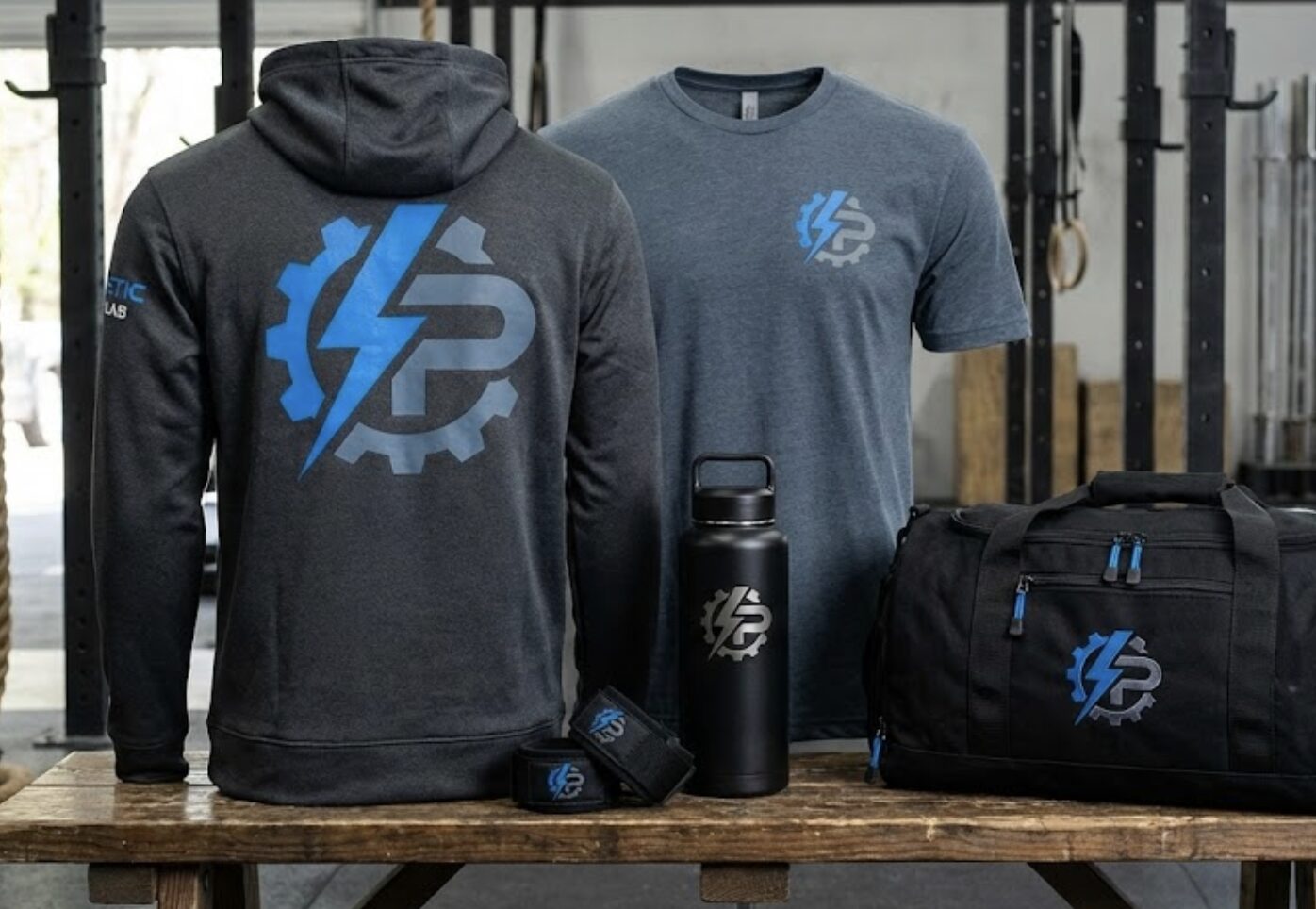
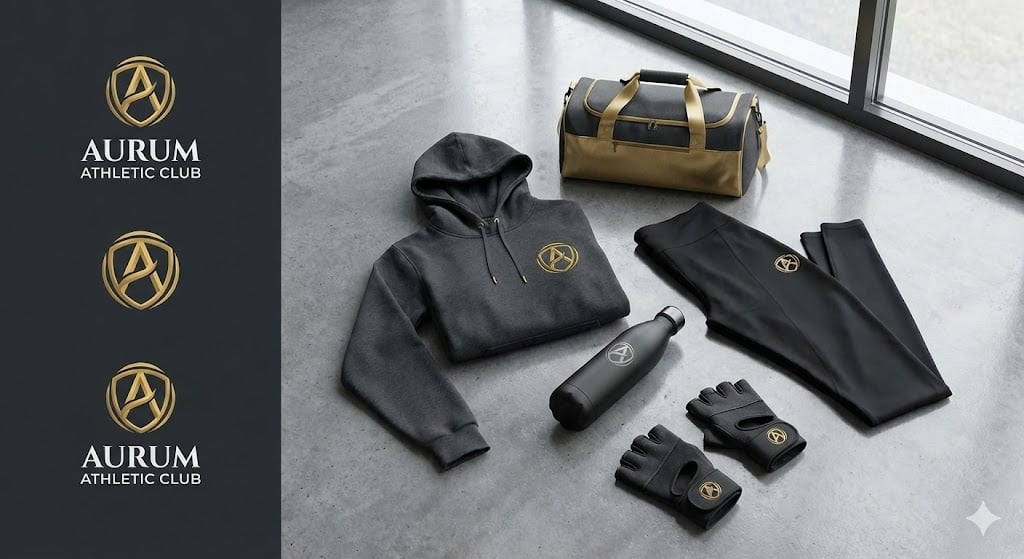
- Tone-on-tone hoodies with subtle embroidery
- Clean dad hats with a small crest or initials
Instead of using the full school logo, experiment with:
- Initials (FA, SCA, LCS)
- A minimal crest
- A symbolic element tied to your mission
- A tasteful Scripture reference
The key is subtlety. When merch looks like something you’d find at a lifestyle brand, it gets worn constantly—and worn merch becomes a walking billboard.
This approach works especially well for schools trying to increase visibility. Families feel proud to wear something stylish that still communicates identity.
2. Teacher-Driven Designs
If you want a fundraiser that practically markets itself, involve the people students adore: their teachers.
Teacher-driven merch taps into natural community loyalty. When a beloved teacher designs an item, students want it. Parents want it. Colleagues support it. It’s personal.
Some ideas that consistently work:
- A “Mrs. Whitaker’s Reading Crew” crewneck with cozy, bookish artwork
- A science teacher’s lab-themed hoodie (“Property of Room 204”) with a subtle verse like Psalm 111:2
- A PE teacher’s motivational tee (“Run the Race – Hebrews 12:1”) in athletic colors
Teachers don’t have to create the art themselves—you can let them pitch the concept, theme, or message. When teachers feel ownership, they promote it naturally in their classrooms.
This strategy can also be rotated each semester:
- Fall: Lower school teacher drop
- Winter: Middle school or house dean drop
- Spring: High school teacher drop
Families love collecting them, and teachers feel seen and celebrated.
3. House or Team Exclusives
Friendly rivalry is one of the most powerful drivers of engagement. House-based designs create instant excitement because they connect merch to identity, tradition, and belonging.
Instead of generic spirit wear, offer limited-run pieces tied to:
- House systems
- Academic teams
- Sports teams
- Choirs or arts programs
What sets these apart?
- Each house gets a unique colorway
- Designs include mottos, virtues, or Scripture themes
- They’re only sold for a short window (“Drop ends Friday at midnight”)
Scarcity drives action. Exclusivity builds pride. And tying merch to specific communities inside the school increases emotional resonance—which directly increases sales.
Think hoodies, joggers, hats, pennants… even embroidered patches.
Modern house-merch approaches include:
- Courage House – burnt orange hoodie with tone-on-tone crest
- Wisdom House – navy crewneck with clean serif lettering
- Service House – forest green hat with “S” monogram
When students feel like they’re representing “their house,” they’re not just buying a product—they’re buying identity.
Why These Fundraising Ideas Work
Fundraiser merch often fails because it doesn’t consider the psychology behind what makes people actually want to wear something. These three approaches succeed because they lean into the real drivers of purchase behavior:
- Style – Modern, wearable designs that blend into everyday wardrobes.
- Story – Clear emotional ties to teachers, houses, values, or school identity.
- Scarcity – Limited drops, seasonal timing, and unique editions.
- Social proof – Students see other students wearing the new drop.
When people genuinely like the pieces, fundraising becomes a natural byproduct—not the core pitch.
The Role of Quality in Fundraising Merch
The fastest way to tank a merch fundraiser is to use cheap blanks or heavy screen prints that crack after two washes. Quality matters because:
- It increases repeat purchases
- It signals excellence
- It makes the school look polished and thoughtful
Some of the highest-performing blanks include:
- Bella+Canvas (soft tees)
- Independent Trading Co. (premium hoodies)
- Port & Company (budget-friendly youth options)
- Flexfit or Yupoong (clean hats)
Upgrading the decoration method—embroidery, woven patches, tone-on-tone thread—can also turn an ordinary hoodie into something families fight over.
How to Market Fundraiser Merch Effectively
Even the best design won’t sell if the launch is weak. Strong merch campaigns use:
- Countdown graphics the week before
- Email previews with pricing
- Try-on photos from teachers or student ambassadors
- Limited-time windows (“Store closes Sunday at 9 PM”)
Urgency + visibility = results.
Pairing Drops with School Events
If you want predictable fundraising success, align your merch with natural moments on the calendar. Fundraising merch performs best when tied to:
- Back-to-school season
- House competitions
- Spirit week
- Staff appreciation week
- Missions month
When merch is connected to meaning, families don’t just buy—they buy early and often.
Want to Avoid Common Fundraising Merch Mistakes?
Don’t miss this breakdown:
3 Mistakes Schools Make With Fundraising Merch
It covers exactly why most drops fall flat and how to build campaigns that feel modern, intentional, and profitable.
The Bottom Line
Fundraiser merch shouldn’t feel like charity. It should feel like something people genuinely want to wear.
When you lean into style, teacher personality, house identity, and limited-edition drops, your merch becomes a movement—not a task.
Need help designing merch that raises money and school pride? Let’s build a campaign worth wearing.


0 Comments