
Most gyms sell access. The great ones sell belonging.
That sounds lofty, like it belongs on a wall mural next to a photo of someone doing battle ropes. Still, it is the cleanest way to explain why one facility feels electric at 6:00 a.m. while another feels like a library where people sweat quietly and avoid eye contact.
Community is not a “nice to have.” It is retention in disguise. It is referrals without bribery. It is the thing that makes a member tolerate your parking situation, your playlist, and the fact that the rowers are always somehow all taken.
The good news is you can build it on purpose. Not by screaming “WE ARE A FAMILY” at strangers. By stacking simple rituals, fun pressure, and shared stories until your place has a pulse.
Culture Is Built In Reps, Not Speeches
If you want a gym community, stop thinking like an event planner and start thinking like a strength coach.
Nobody gets strong from one heroic workout. They get strong from reps. Boring, repeatable reps.
Culture works the same way.
A single “Member Appreciation Night” can be fun. It can also be a one-night sugar spike that crashes by Tuesday. Rituals are the slow compound interest that makes people say, “I don’t skip Monday at this gym.”
So here’s the framework I like because it is simple and it does not require a motivational personality.
The Ritual Ladder Framework
Think in four layers. Build from the bottom up.
Micro Rituals are daily behaviors that make people feel seen.
Weekly Anchors are recurring moments members plan around.
Seasonal Challenges are shared sprints that create identity.
Signature Events are the big, memorable “this is who we are” moments.
Most gyms try to start at the top. Big event, big hype, big banner. Then they wonder why the vibe fades. Start at the bottom. Earn the right to do the big stuff.
Micro Rituals That Make New Members Stick
A new member is basically a nervous animal. They are scanning for danger. They are wondering if they look dumb. They are deciding, within days, whether this place is “for people like me.”
Your job is to remove friction and increase comfort without turning into a daycare.
Here are micro rituals that work because they are small and repeatable.
Name Memory On Purpose
This sounds obvious until you see how many gyms avoid names like they are allergic.
Say the person’s name at check-in. Say it once on the floor. Write it down if you have to. You are not trying to be slick. You are trying to be consistent.
People do not remember every workout detail. They remember being recognized.
The Two Minute Welcome Script
Every class or session starts the same way. Not robotic. Reliable.
A quick hello. What today is. One coaching focus. One safety cue.
This removes uncertainty for new folks and it also makes your staff look tighter than they actually are. That is a compliment, by the way.
The “One Win” Finish
At the end of a class, ask one simple question: “What’s one win from today?”
Keep it short. Keep it real. Wins can be tiny. Showing up counts.
This turns workouts into a story of progress instead of a blur of sweat.
High Fives With A Rule
Yes, high fives are cheesy. Still, they work. The trick is to add a rule so it feels like culture, not forced fun.
Rule idea: High five the person you worked closest to, and say their name if you know it. If you do not, ask.
That is it. That is the whole thing. It is awkward for three seconds, then it becomes normal.
Get The Branded Merch Playbook
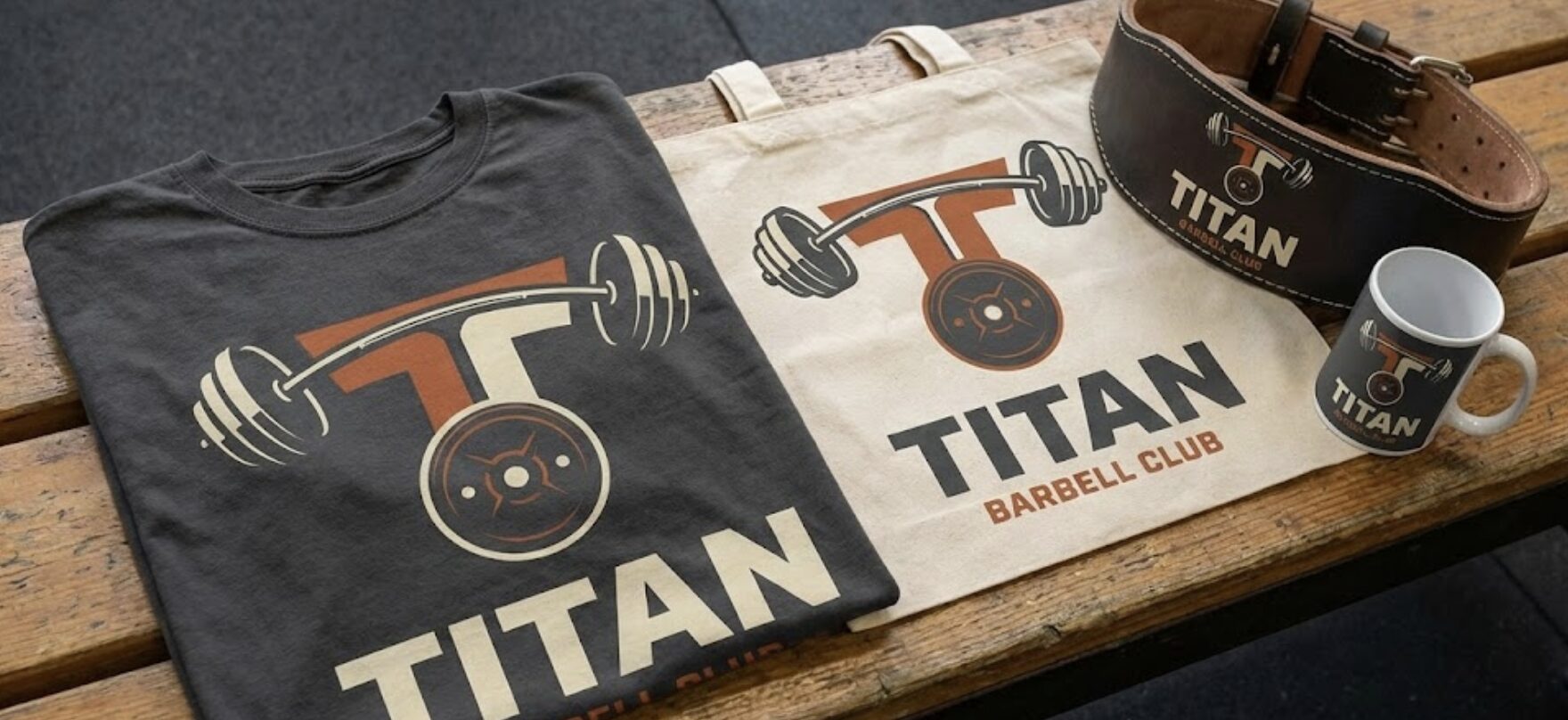
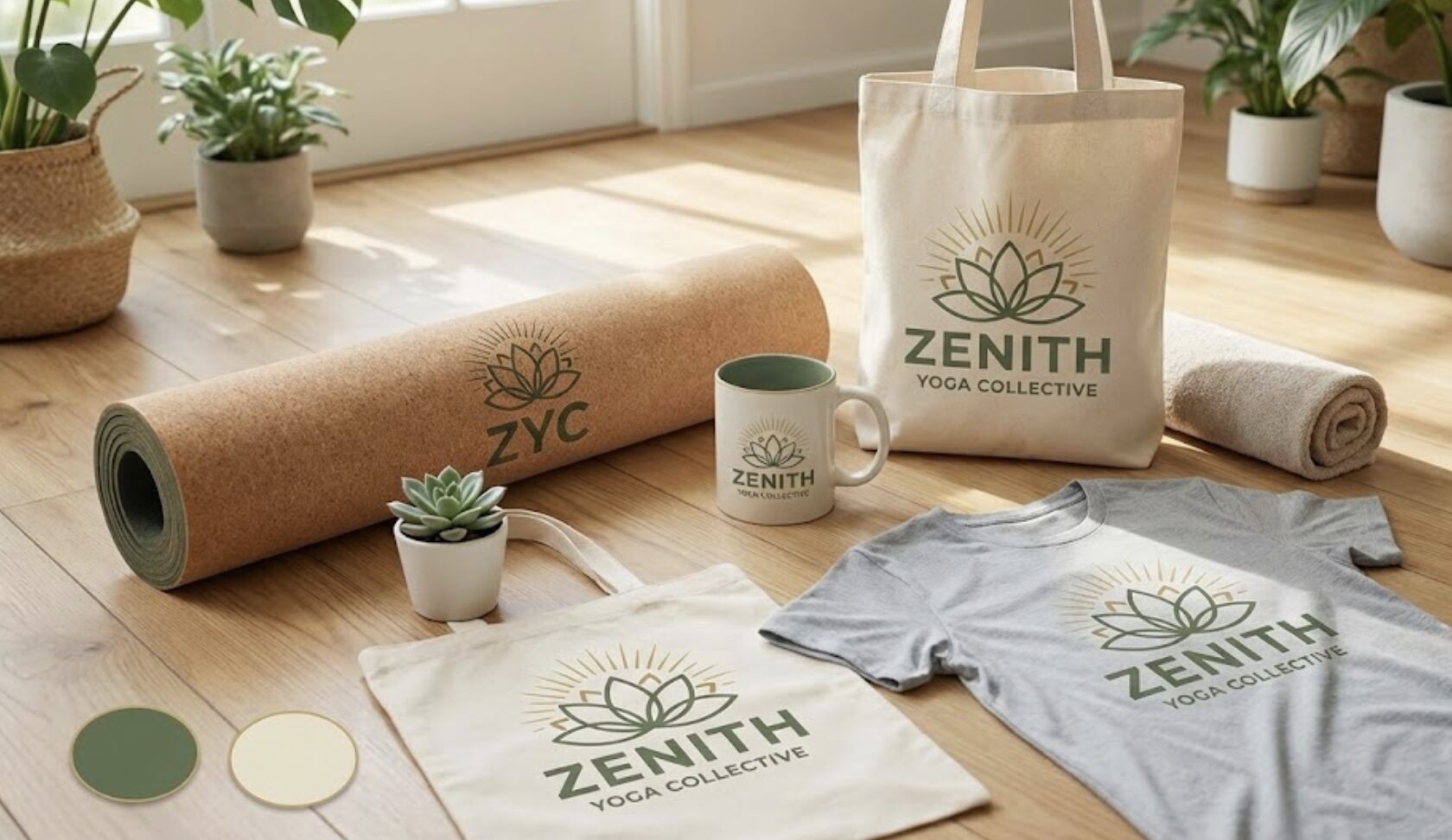
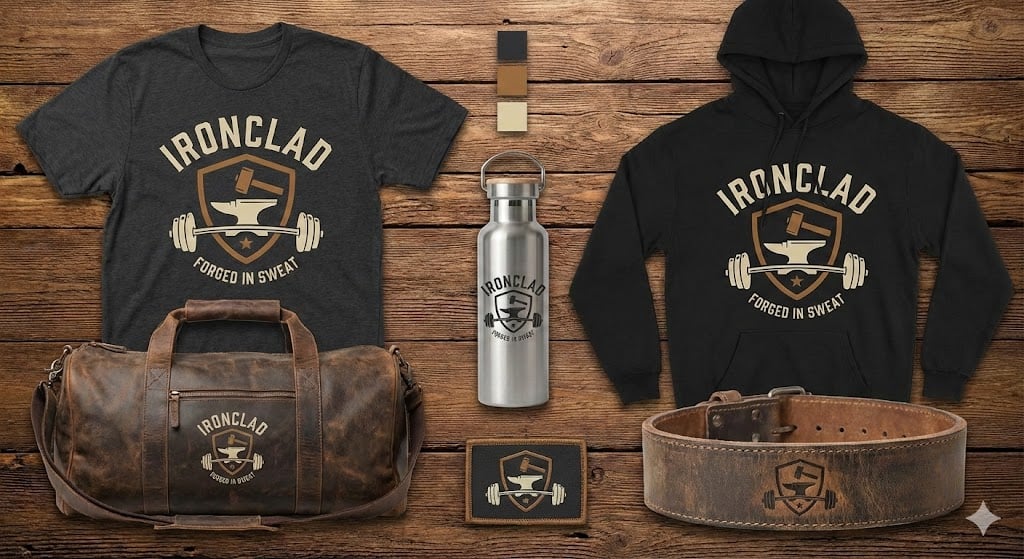
Most gyms buy merch like they are ordering paper towels. Cheapest, fastest, done. Then they wonder why nobody wears it outside the building.
The Branded Merch Playbook gives you practical frameworks for choosing items people actually keep, how to tie merch to milestones and challenges, and how to avoid the “drawer full of freebies” problem. It also includes real-world pricing guidance so you can plan a kit that feels premium without lighting your budget on fire.
Get the Playbook
Weekly Anchors That Create “See You Next Week” Momentum
Weekly rituals do something magical: they make attendance feel like part of someone’s schedule, not part of their willpower.
Willpower is a liar. Schedules win.
Here are anchors that build community without turning your gym into a pep rally.
PR Friday, But Make It Human
PR does not have to mean a 1-rep max.
Make it “Progress Recognition Friday.” Celebrate things that matter to normal people.
First unbroken set of pushups. First month without skipping. First time back after a rough week. First time someone asked for help instead of disappearing.
Give a small shoutout. Write names on a board. Take a quick photo if they want it. Do not force it. Nobody wants a spotlight when they are sweaty and tired.
Partner Workouts That Don’t Feel Like Speed Dating
Pair workouts create connection because people have to coordinate. Shared suffering is oddly bonding.
Keep formats simple. Avoid complicated counting that makes people hate math and you at the same time.
Bonus: partner workouts reduce no-shows because people do not want to bail on someone else.
The “New Face” Moment
Once per week, intentionally introduce one new member to one long-time member who is welcoming.
Do not announce it like an airline captain. Just do it naturally.
“Hey, this is Alex. Alex, this is Jordan. Jordan has been here forever and knows where the good fans are.”
Now Alex has one friendly face. That single connection can save a membership.
Challenges That Build Identity Without Becoming A Guilt Machine
Challenges work because they create shared effort. Shared effort creates stories. Stories create identity.
Challenges fail when they are overly complicated, shame-based, or built around perfection.
Also, if your challenge requires a spreadsheet, it is not a challenge. It is homework.
Here are challenge formats that are simple and surprisingly powerful.
Attendance Sprints
Examples: 12 visits in 30 days. 3 classes per week for 6 weeks. 20 check-ins in 60 days.
You are rewarding consistency, not genetics.
These challenges are also fair for beginners because the bar is behavior, not performance.
Skill Weeks
Pick one skill and build a mini arc around it.
Pullup week. Squat pattern week. Run form week. Mobility week.
Give members a “before” and “after” feeling. People love noticing improvement, even if it is subtle.
Team Challenges With Real Team Names
Teams are culture accelerators, but only if you keep it playful.
Create teams. Let them name themselves. If every team name is “Team Hustle,” you have lost the plot.
Let a little chaos in. Fun names are memory hooks.
Keep scoring simple: attendance points, bonus points for bringing a friend, bonus points for showing up to a community class.
Now you have friendly accountability without the gross vibe.
The Culture Rituals That Matter Most
A ritual is not a random tradition. It is a repeated act that signals what you value.
The best gym rituals do three things.
They create shared language.
They create recognition.
They create “I’m one of them” identity.
Here are rituals that do that, without needing a fog machine.
The Milestone Wall
Not a brag wall of perfect abs. A milestone wall of real progress.
First 10 classes. First 100 classes. First 5K. First pullup. First month consistent.
Make it visible. Make it celebrated. Make it welcoming.
People want to be part of something that notices effort.
The “After Class Hang” That Is Actually Possible
You do not need a two-hour party.
Pick one day per week where the final class ends with a ten-minute hang.
Maybe it is coffee. Maybe it is electrolyte samples. Maybe it is just talking.
Ten minutes is doable. Ten minutes builds relationships. Ten minutes turns strangers into familiar faces.
Welcome Kits That Feel Like A Badge, Not A Flyer
Merch is not culture. Merch is the flag people carry once they believe in the culture.
If your welcome kit feels like a stack of coupons, it does nothing.
If your welcome kit feels like “you are officially part of this,” it reinforces identity.
If you want to see how gyms and studios can use merch without turning it into cheap swag, this guide is a strong starting point: The Ultimate Guide to to Branded Merch for Gyms and Health Clubs.
Signature Events That Feel Like Your Gym, Not A Random Party
Big events should feel like an extension of your culture, not a corporate “team building” exercise with worse snacks.
Three principles keep events from being cringe.
Make It Specific
“Community Night” is vague. “Charity Row For Local Food Pantry” is specific. “Lift And Listen: 45-minute class plus member story” is specific.
Specific events create stronger memories.
Make It Earned
Do not run your biggest event for the public if your current members are not already bought in.
Signature events are a reward for people who show up. That is why they work.
Make It Repeatable
If it takes three staff meetings and a mild emotional breakdown to plan, you will not do it again.
Pick formats you can repeat yearly with minor tweaks.
Here are event ideas that work for gyms, studios, and health clubs.
The Challenge Finale Night
End a seasonal challenge with a simple event.
Short workout. Team photos. Recognition. Snacks that do not taste like punishment.
The key is calling out members by name and celebrating consistency.
The Member Story Spotlight
Once per quarter, feature one member story. Not a fake “before and after” sales pitch. A real story about consistency, confidence, health, or just showing up during a tough season.
People connect to people. This builds emotional glue fast.
The Bring A Friend Week
A single day can be intimidating. A week is easier.
Make it simple. Offer beginner-friendly sessions. Train staff to be warm without being pushy.
If the friend loves the vibe, you win. If they do not, at least your members had a fun week bringing someone into their world.
How To Make This All Work Without Burning Out Your Team
Culture should not be built on one exhausted staff member who “cares a lot.”
Here is the operational trick: build systems, not heroics.
Assign Owners
Every ritual has an owner. Not a committee. A person.
One coach owns PR Friday. One staff member owns the milestone wall. One person owns challenge tracking.
Ownership creates follow-through.
Keep The Calendar Simple
You do not need ten things.
Two micro rituals. One weekly anchor. One seasonal challenge. One signature event.
That is a strong culture plan. Everything else is optional.
Document It Like You Mean It
Write the ritual down. Short. Clear.
If a coach can’t run it without you, it is not a system. It is a personal preference.
The Payoff: Members Who Recruit For You
The real flex is not a packed room. It is a room full of people who feel proud to be there.
When your culture is strong, members invite friends because it feels like sharing something valuable.
They wear your merch because it feels like identity, not advertising.
They stay through seasons where they are tired, busy, and distracted because your gym is not just a place they go. It is a place they belong.
Build the ladder. Stack the reps. Let the story compound.
That’s the game.



0 Comments