
Gym merch usually gets treated like a side hustle. A stack of tees on a table, a “grab one if you want” sign, and an owner who hopes it turns into free marketing.
Sometimes it does. Usually it does not.
The difference is not whether you have a logo. It is whether your merch shows up at the right moments in a member’s journey. Because people do not bond with a garment. They bond with what it represents.
That is why a merch lifecycle works. It ties merch to meaning. Meaning creates identity. Identity creates retention. Retention keeps your gym alive when January motivation packs up and leaves town.
This is a practical, stage-by-stage playbook for what to give members, when to give it, and how to avoid the dreaded “free shirt pile” that ends up in someone’s trunk next to an expired granola bar.
Why Lifecycle Merch Beats Random Merch
Random merch is a transaction. Lifecycle merch is a relationship.
When merch is tied to a stage, it becomes a marker. “I joined.” “I stuck with it.” “I leveled up.” “I am one of the people who shows up.”
That is also why lifecycle merch can feel generous without discounting your membership prices. You are not bribing people to stay. You are rewarding them for becoming the kind of member who stays.
A lifecycle approach also makes your merch program easier to run. Instead of wondering what to order every time an event pops up, you build a simple system with predictable touchpoints.
Stage 1: The New Member Window
This stage is not about motivation. It is about uncertainty.
New members are thinking:
Am I going to fit in
Am I doing this right
Is everyone judging me
How long before I quit like last time
Your merch goal here is simple: reduce friction and increase belonging.
What To Give
A small, high-use item that helps them show up again tomorrow.
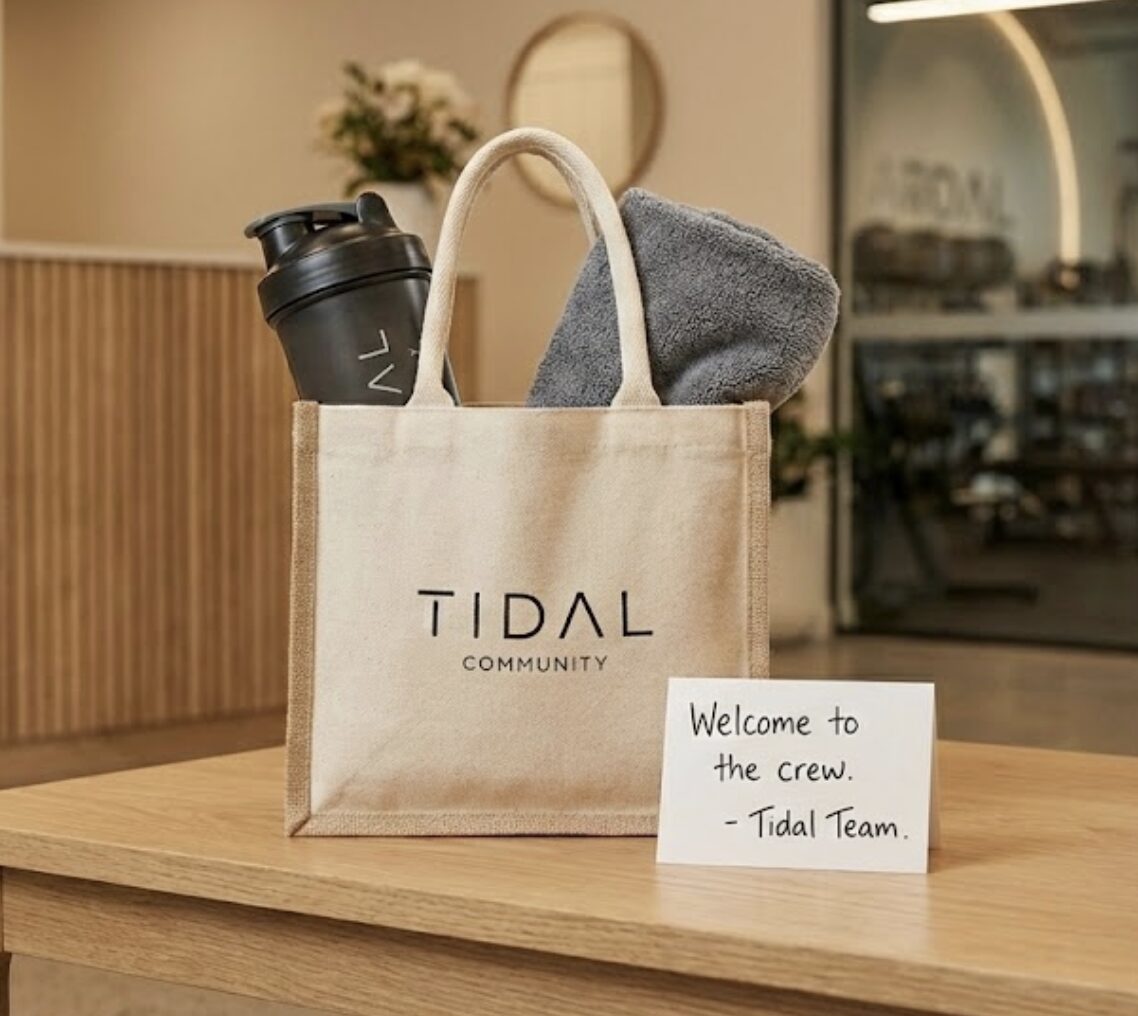
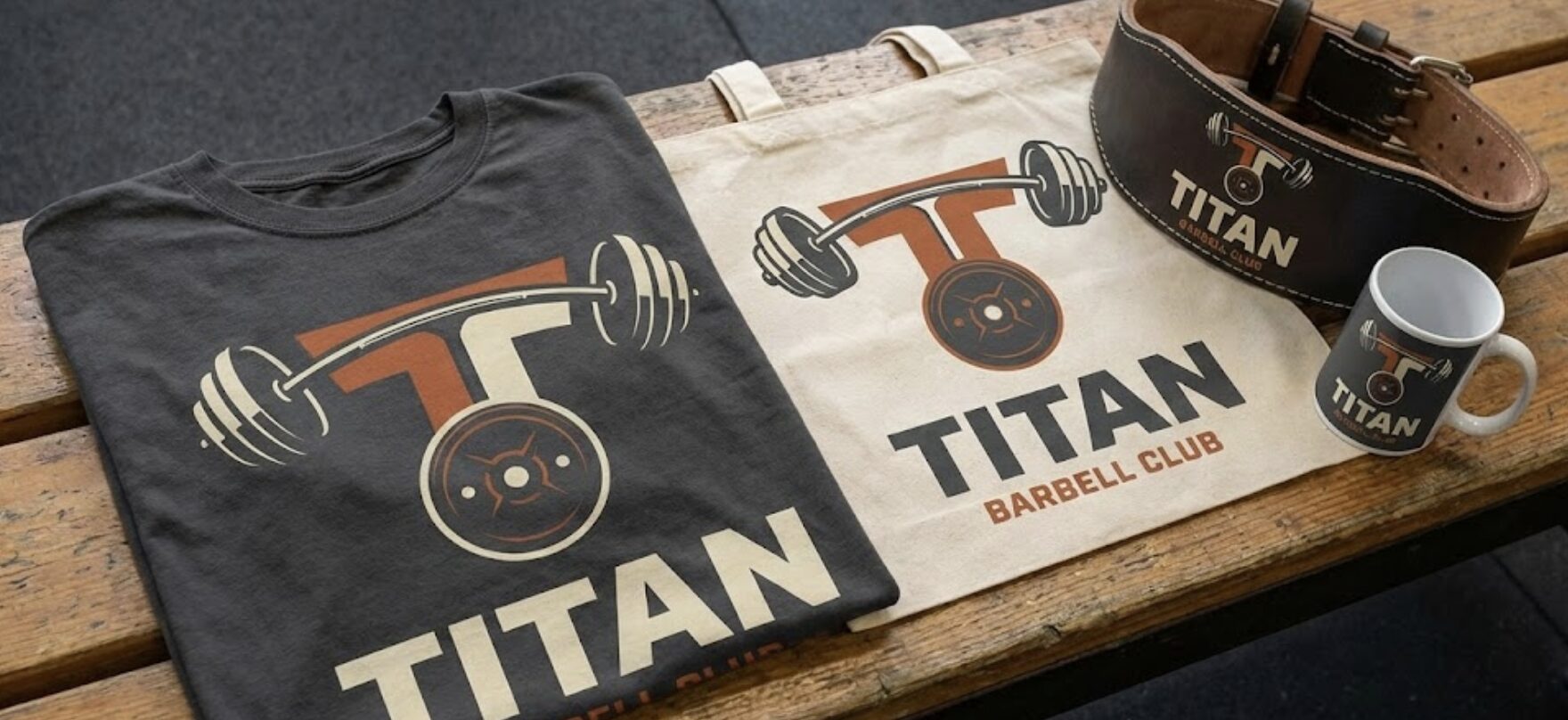
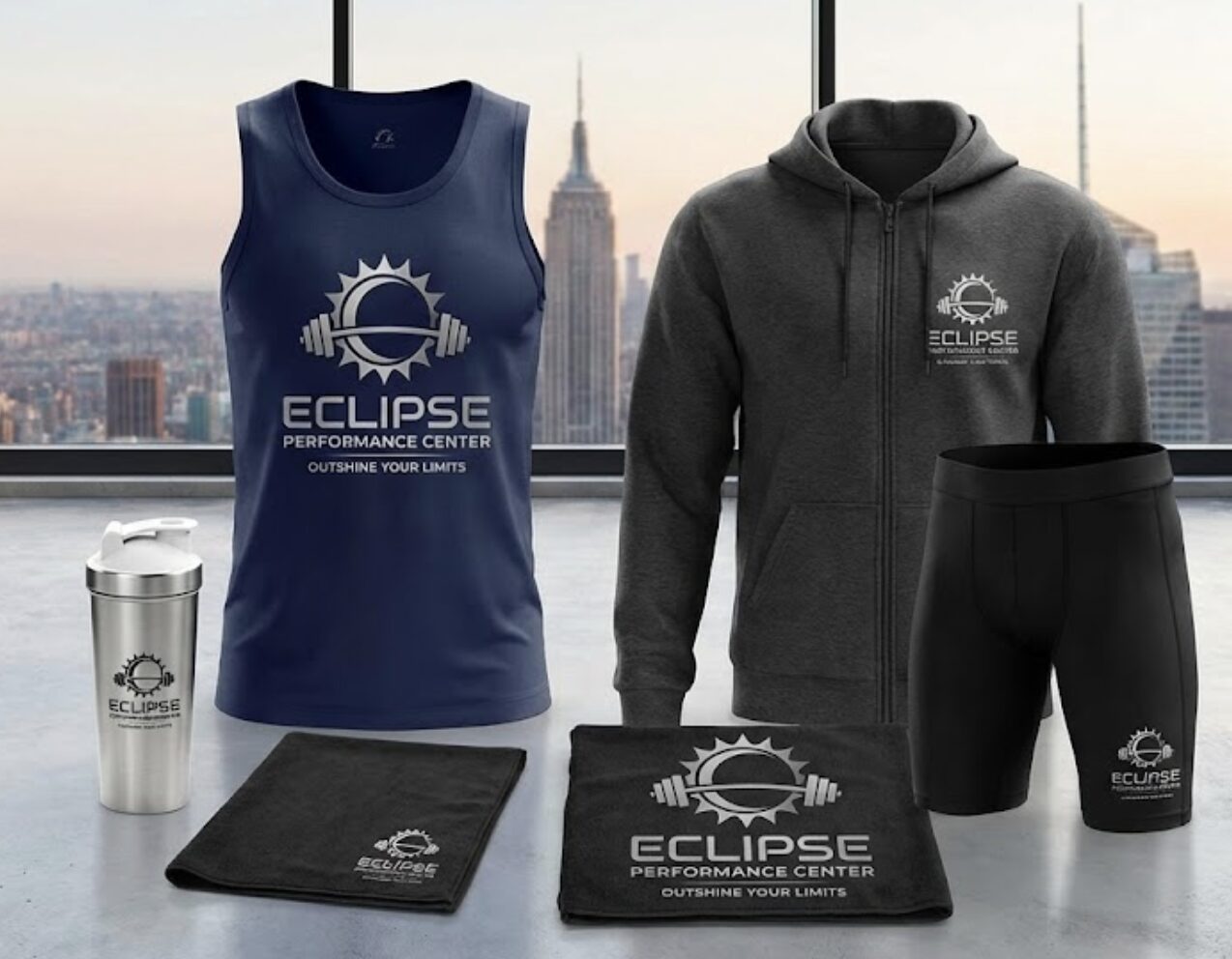
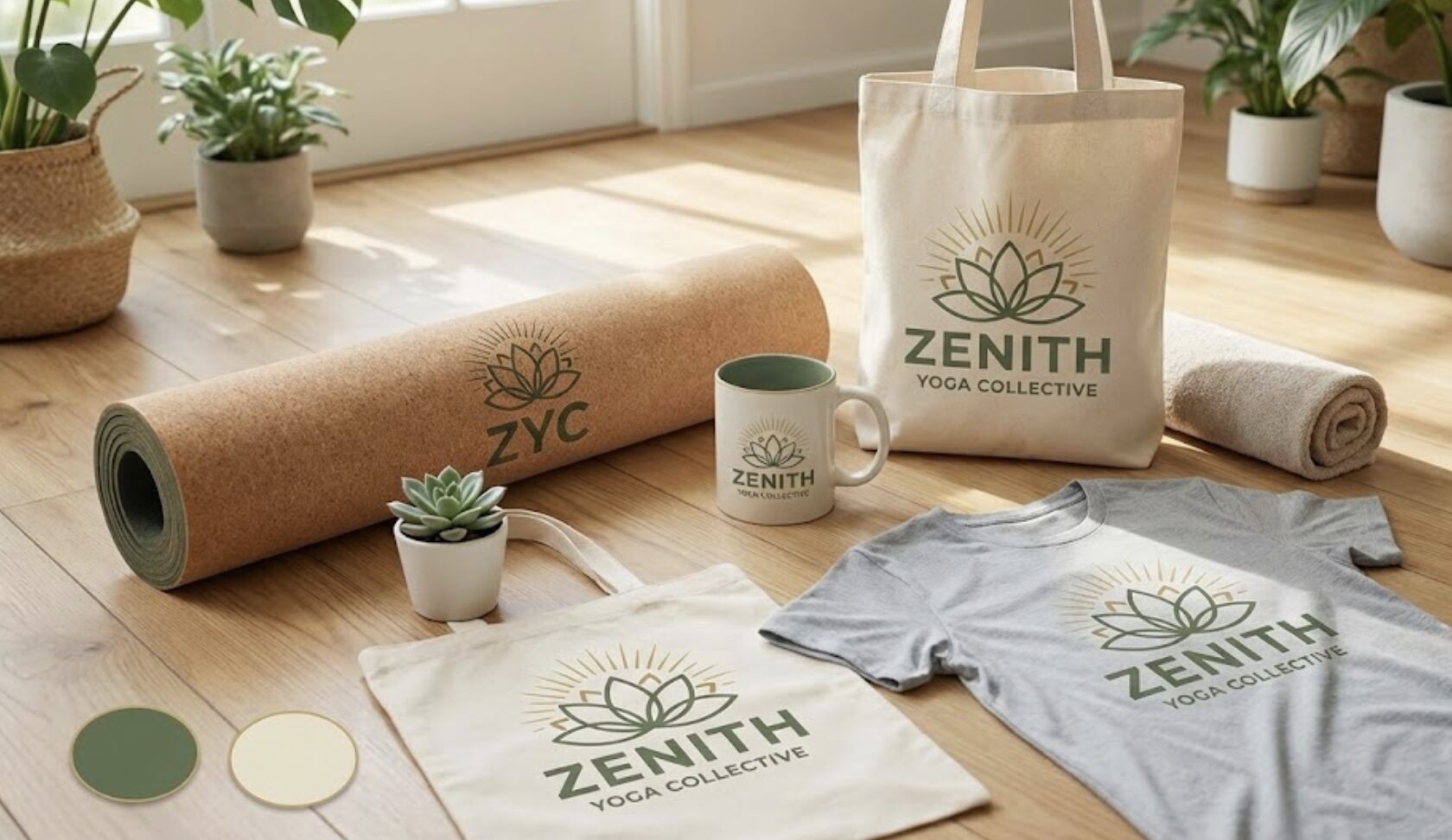
The best picks are things that live in a bag or car and quietly remove excuses. A quality shaker bottle. A gym towel. A tote that makes it easier to carry their stuff without feeling like they are moving in.
Skip the full apparel drop here unless it is clearly positioned as a welcome badge. If it feels like you are selling to them before they trust you, you will create resistance.
How To Present It
Make it feel like membership, not marketing.
A simple line works: “We give this to every new member so you feel like you are part of the crew from day one.” Short. Human. No speech.
Get The Branded Merch Playbook
If you want your merch to actually support retention, you need a system for matching products to moments.
The Branded Merch Playbook shows you how to pick items members genuinely use, how to tie merch to onboarding and milestones, and how to avoid cheap giveaways that quietly downgrade your brand. It also includes practical pricing guidance so your merch feels premium without getting weirdly expensive.
Get the Playbook
Stage 2: The First 30 Days
This stage is where most gyms lose people. Not because the workouts are bad, but because life is loud.
The first month is a battle between routine and friction. Your merch should be designed to tip the battle toward routine.
What To Give
A “routine anchor” item.
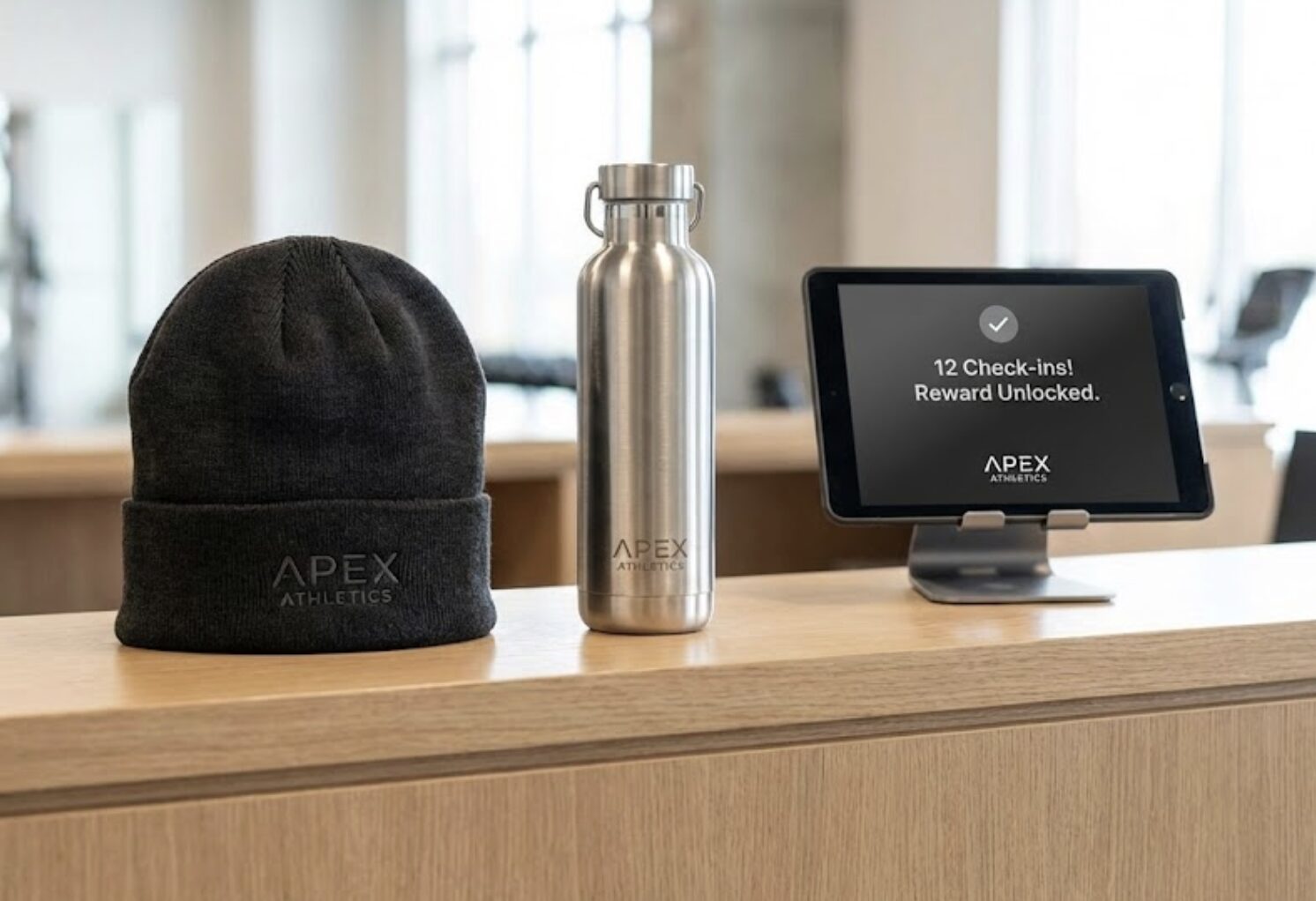
Think about something that signals, “I’m the kind of person who goes to this gym.” Hats and beanies work surprisingly well because they are low sizing risk and people wear them outside the gym. Water bottles work because they become daily carry items.
If you do apparel here, make it subtle and wearable. The goal is not to plaster your logo on someone’s chest like a sponsor patch. The goal is to create a piece they will actually reach for.
How To Trigger It
Tie it to behavior, not time.
Instead of “You’ve been here 30 days,” use “You hit 12 check-ins.” That rewards action and encourages the exact habit you want.
Stage 3: The 90 Day Identity Lock-In
At about 90 days, members either feel like insiders or they still feel like visitors.
This is the stage where merch can become a badge.
What To Give
A piece of apparel that feels like a step up.
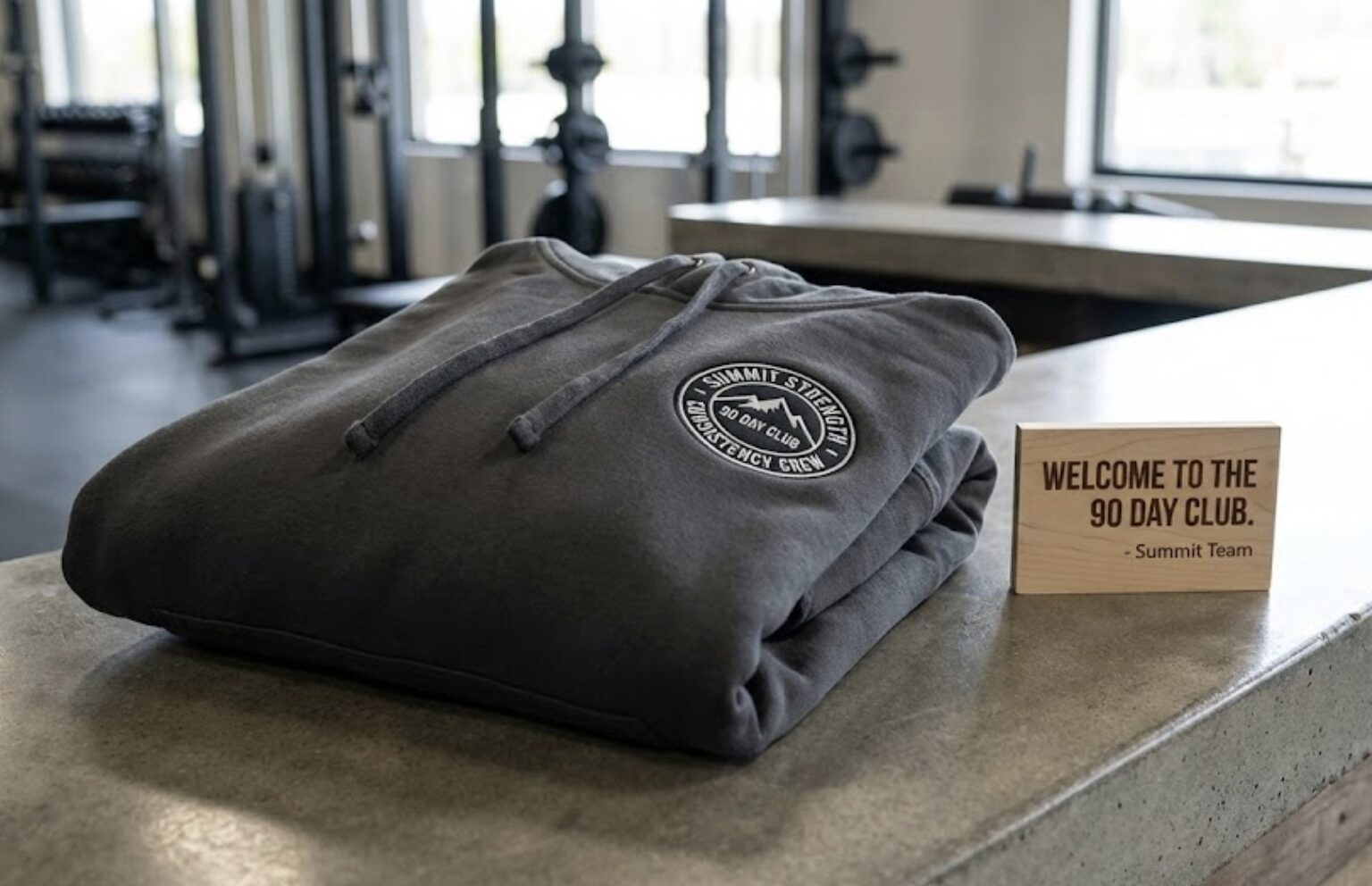
A midweight hoodie. A premium crew. A quarter zip if your crowd is more boutique and less barbell.
This is the moment where quality matters. If the hoodie feels cheap, it does not feel like a badge. It feels like a giveaway. And giveaways do not create identity.
How To Make It Feel Earned
Name it.
Give the merch a title that matches your gym culture. “90 Club.” “Consistency Crew.” “Foundations Complete.” Not cringe. Not motivational poster language. Just a simple label that makes members smile.
The twist is that this is also when a merch program starts to sell itself. Members see others wearing the badge and want it. That is the whole point of culture.
If you want the deeper framework for building gym merch that members actually crave, start here: The Ultimate Guide to to Branded Merch for Gyms and Health Clubs.
Stage 4: One Year Milestone
One year is rare. It deserves respect.
Most gyms treat a one-year member the same as a two-week member. That is a missed opportunity, because one-year members are your real marketing engine.
What To Give
An elevated item with “everyday life” value.
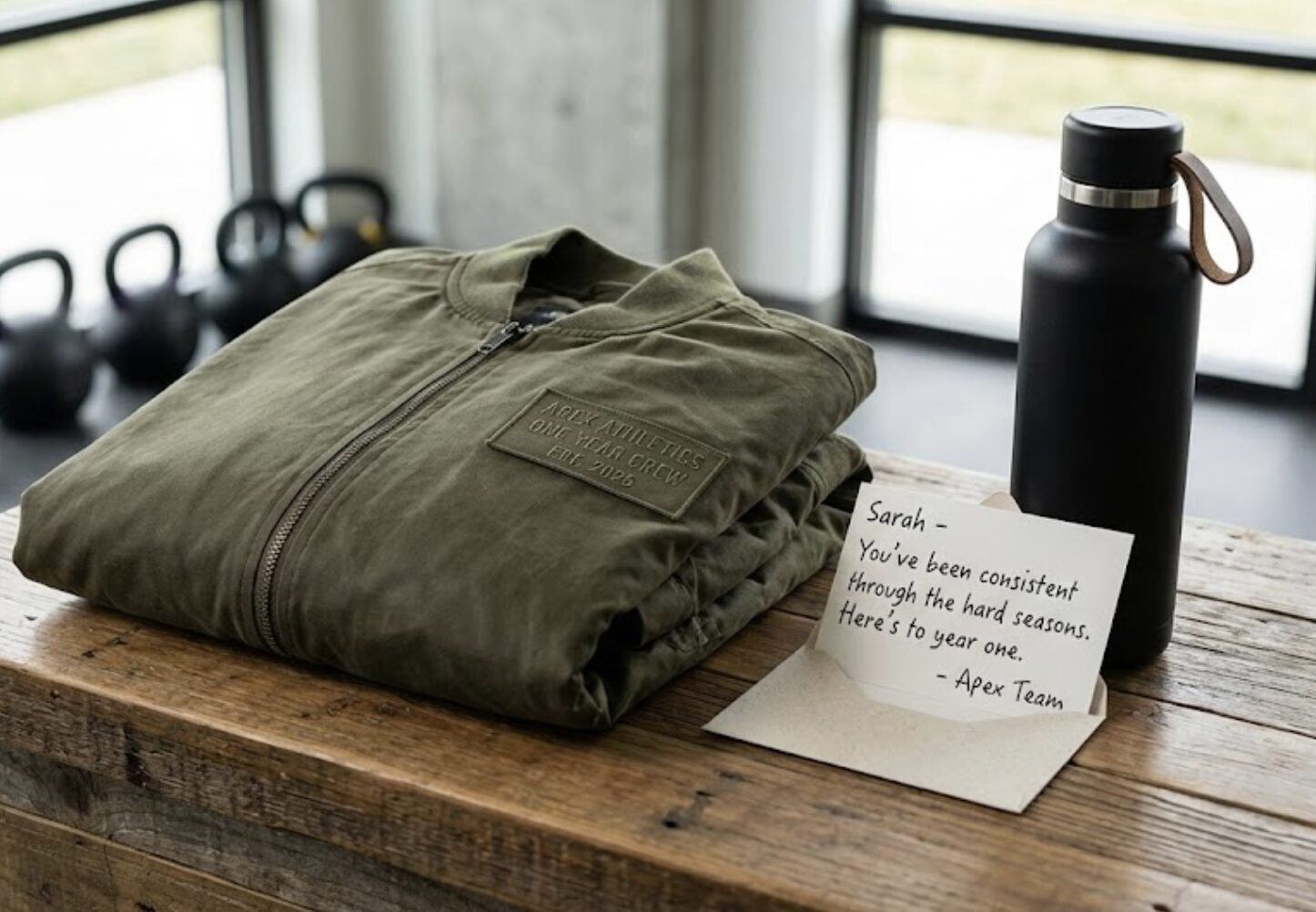
A premium jacket. A high-end insulated bottle. A well-designed bag. Something they will keep for years.
This is also a great moment for personalization. Not custom engraving for everyone, but small touches like a limited colorway that is only for annual members.
How To Deliver It
Do not toss it on a table.
Hand it to them. Use their name. Mention something specific about their year. “You’ve been consistent through the hard seasons.” That sentence hits harder than any discount ever will.
Stage 5: The Advocate Stage
Advocates are not just members who stay. They recruit for you. They defend you. They invite friends. They post photos. They wear your merch in public without being asked.
This stage deserves its own merch strategy because the ROI is ridiculous.
What To Give
Limited-run merch that feels exclusive.
Small batch drops. Event-only pieces. Coach collaboration designs. Items that feel like insider access.
The goal is to give advocates something they are proud to wear, because every time they wear it, you get organic visibility. Not spammy visibility. The good kind where people ask, “Where did you get that?”
How To Use Merch To Drive Referrals Without Being Weird
Reward the behavior you want, not the transaction.
Instead of “Bring in a friend and get 10 dollars off,” do “Bring in a friend and unlock the advocate drop.”
That is cleaner, more brand-forward, and it does not train your community to chase discounts.
How To Build This Into A System Without Losing Your Mind
If you are thinking, “Cool, but I do not want to become a merch manager,” you are correct.
You should not.
A lifecycle merch system should be simple enough to run on autopilot.
Pick Your Milestones
New member
12 check-ins
90 days or foundations complete
1 year
Advocate drop
Pick One Item Per Stage
Keep it tight. Too many items creates chaos.
Batch Orders Quarterly
Quarterly planning prevents emergency orders and random inventory.
Document The Script
One sentence staff can say at each stage. Consistency matters.
The Quiet Benefit Nobody Talks About
Lifecycle merch makes your gym feel organized.
Members notice when you have a plan. They notice when milestones are recognized. They notice when the experience feels intentional.
That perception spills into everything. Programming feels more credible. Staff feel more professional. Pricing feels more justified.
And the funniest part is that it can all start with one simple decision: stop treating merch like a side hustle and start treating it like a member journey tool.
Build the lifecycle once. Then let it run.
That is how merch stops being “extra” and starts becoming part of what makes your gym feel like a place people belong.

0 Comments