
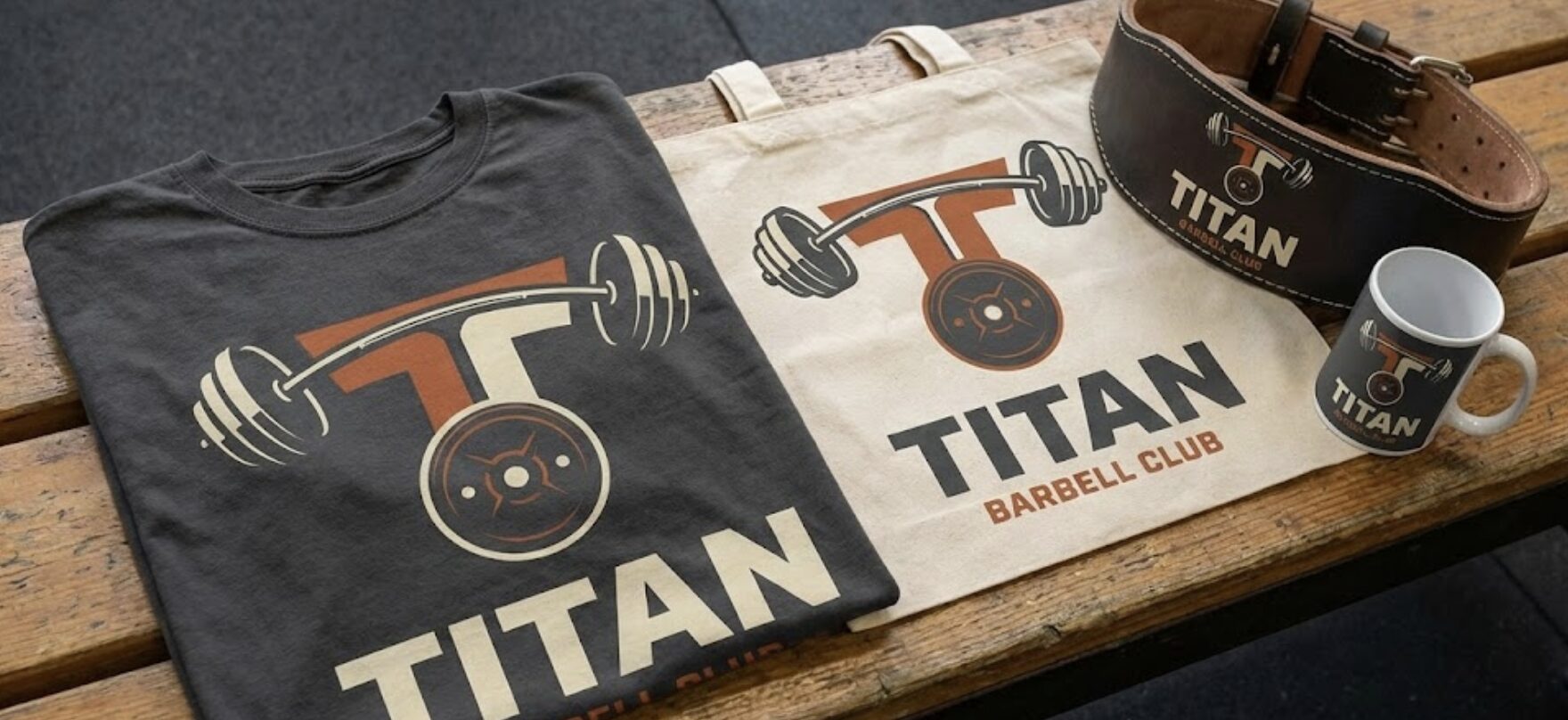
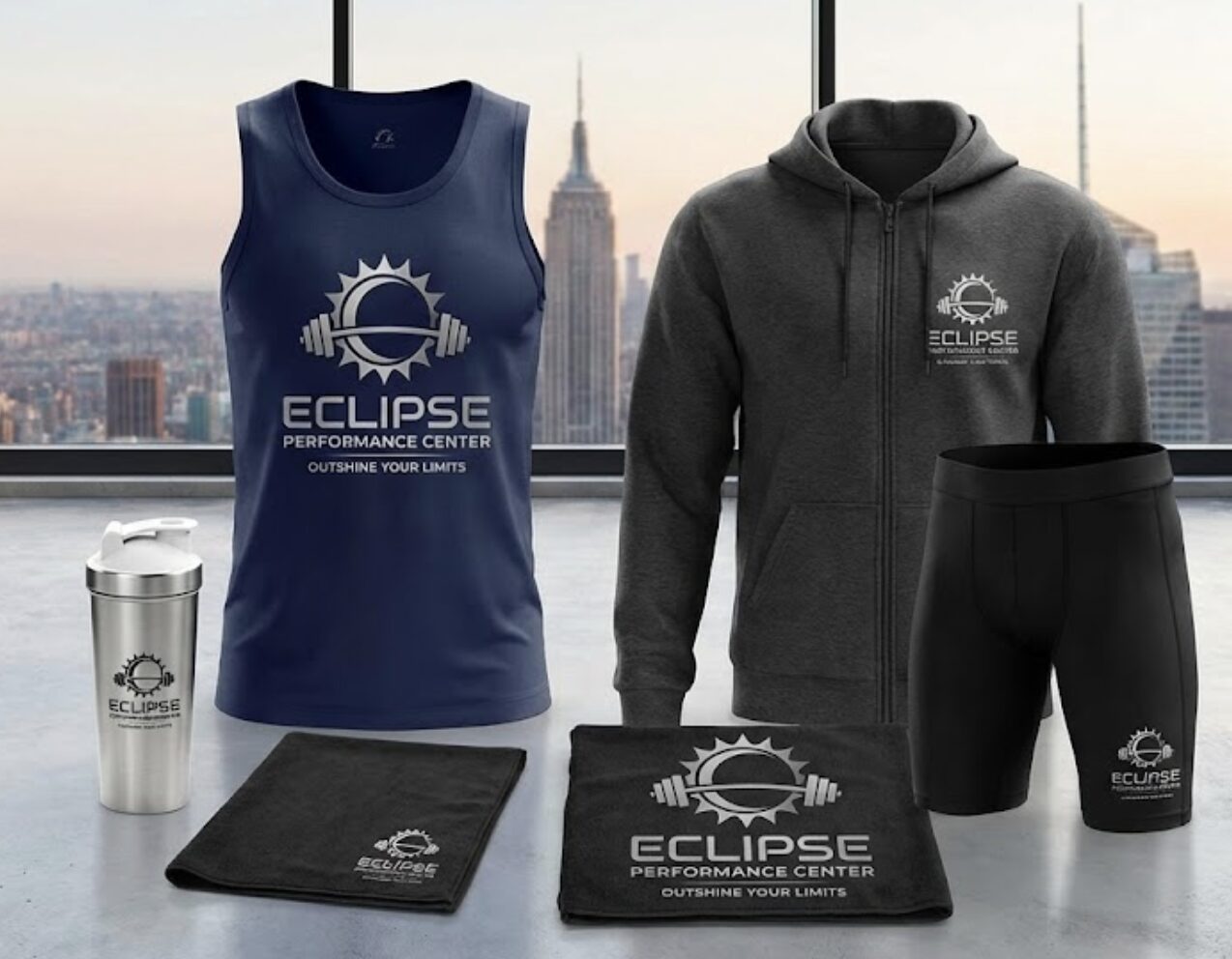
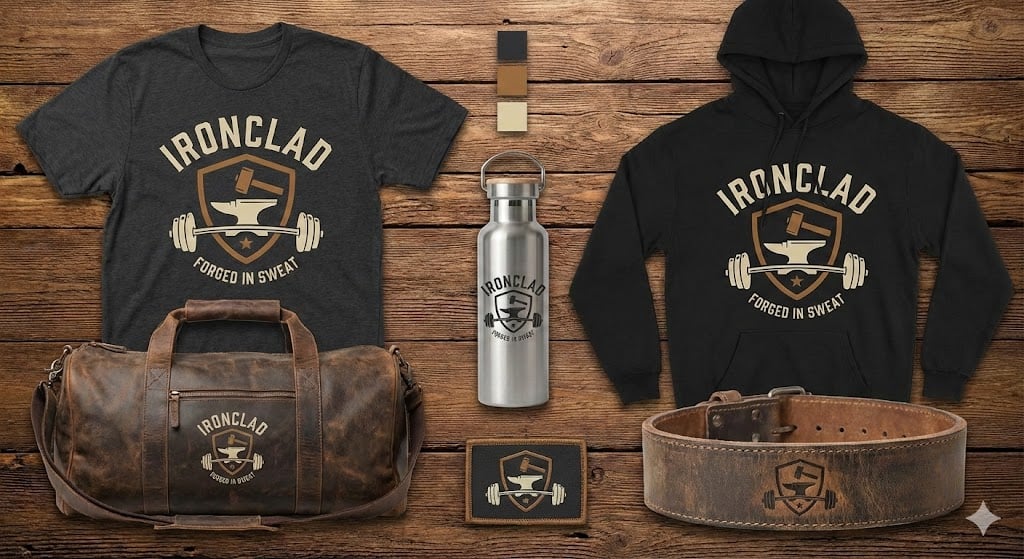
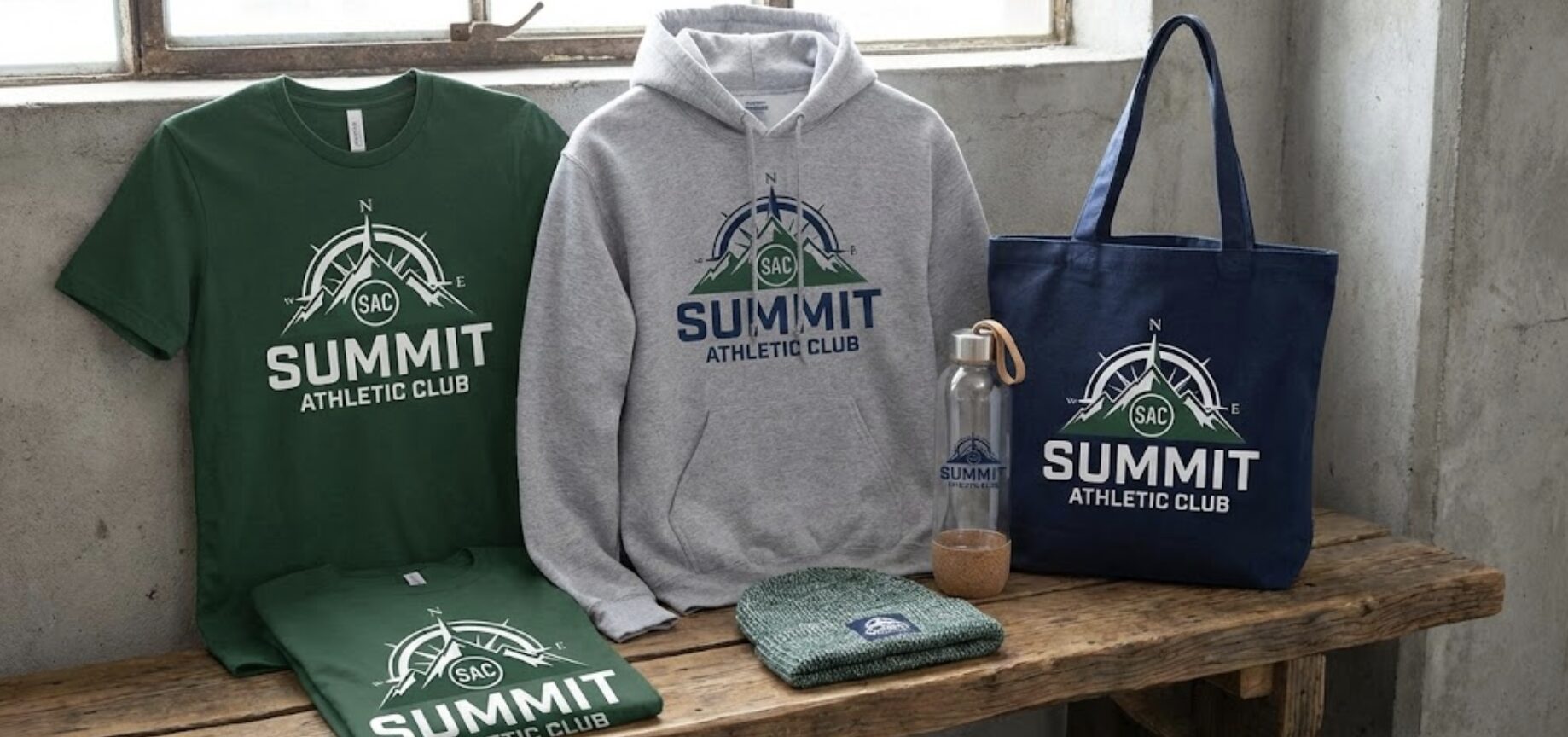
Walk into almost any gym and you will spot it within five seconds. A lonely rack of hoodies. A dusty stack of tees. Maybe a shaker bottle or two that looks like it came free with a protein tub in 2014.
Most gym merch does not fail because members hate merch. It fails because it feels random, forgettable, or slightly embarrassing to wear outside the building.
The good news is that gyms, studios, and health clubs are sitting on one of the most merch-friendly audiences on the planet. These are people who already buy apparel, accessories, and gear tied to identity. They wear brands to signal discipline, lifestyle, and belonging.
When gym merch works, it becomes part of a member’s routine. When it does not, it becomes clutter.
This is about how to create merch members actually crave, from hoodie drops that sell out to hydration gear people carry everywhere, without guessing or turning your office into a storage unit.
Why Gym Merch Hits Different Than Other Industries
Fitness is personal. Sweaty, emotional, sometimes painful, often transformative.
That makes it fertile ground for merch, but only if the merch respects that emotional weight. A gym hoodie is not just clothing. It is a quiet badge that says, “I show up here. I belong here.”
That is why the bar is higher. Members will forgive a boring flyer. They will not forgive a hoodie that feels cheap, stiff, or awkward to wear in public.
If your merch would not survive a trip to Target, Starbucks, and a casual dinner, it will not survive your members’ closets.
Hoodies Are The Gateway Drug
Let’s talk hoodies.
Every gym wants one. Few get them right.
A great gym hoodie nails three things. Fabric softness. Fit that works for more than one body type. Design restraint.
The fastest way to kill a hoodie drop is to overload it. Big logos. Aggressive slogans. Chest prints that scream instead of whisper.
Members want something they can wear to warm up, cool down, and live in. Think neutral colors. Subtle branding. A design that feels earned, not marketed.
The gyms that succeed treat hoodies like a product launch, not a bulk order.
Why Hydration Gear Quietly Outsells Apparel
Here is where it gets interesting. Apparel gets the attention, but hydration gear builds habits.
A good water bottle becomes part of someone’s day. It sits on their desk. Goes to work. Comes to the gym. Shows up in photos. It is visible in places apparel is not.
But not all bottles are equal.
If it leaks, feels flimsy, or looks like a corporate giveaway, it is done. Members will not tolerate bad hydration gear. They already have standards thanks to brands like Hydro Flask, YETI, and Stanley.
Gym-branded hydration gear works when it meets those expectations instead of pretending they do not exist.
The Merch That Members Actually Ask For
Here is a simple test. If members never ask when the next merch drop is, something is off.
The merch that creates demand usually shares a few traits. It solves a real need. It feels limited. It aligns with the gym’s personality.
Think zip hoodies during cold months. Lightweight long sleeves for early mornings. Durable bottles for people who train hard and refill often.
When merch solves a problem and signals belonging at the same time, it stops feeling optional.
Merch Is A Trust Signal, Not Just A Revenue Stream
This is the part most gyms underestimate.
Merch is physical proof of standards.
Cheap merch quietly tells members that corners are cut. Premium-feeling merch reinforces that the gym cares about details. That trust spills into how members perceive coaching, programming, and leadership.
This is the same psychological mechanism explored in physical touchpoints build trust. People judge what they can touch long before they analyze what they cannot.
Merch is not just what you sell. It is what you signal.
How To Avoid The Overstock Graveyard
Every gym owner has lived this nightmare. Boxes stacked in the office. Sizes nobody wants. Colors that looked good on screen but terrible in real life.
Overstock happens when merch decisions are made in isolation.
The fix is simple, but not easy. Validate demand before you commit. Use preorders. Run limited drops. Tie merch to events or milestones.
When people pay before you order, inventory risk disappears. Confidence replaces guessing.
This is why resources like The Ultimate Guide to Branded Merch for Gyms and Health Clubs focus so heavily on process, not just products. Merch should feel inevitable by the time you place the order.
Get The Branded Merch Playbook
If your merch strategy currently lives somewhere between “winging it” and “hoping for the best,” the Branded Merch Playbook gives you structure without turning this into a second job.
It breaks down how gyms, studios, clinics, and organizations choose merch that actually gets worn. You will see why certain items outperform others, how to validate interest before ordering, and how to price merch so it supports your brand instead of undercutting it.
You will also get real-world product guidance and pricing context so you are not guessing in the dark or relying on whatever a vendor pushes that week.
Get the PlaybookWhy Less Variety Creates More Sales
Choice feels generous. In practice, it paralyzes.
Gyms that offer five hoodie options often sell fewer hoodies than gyms that offer one excellent one. When members do not have to debate between colors, cuts, and designs, they decide faster.
A tight lineup communicates confidence. It says, “We already chose the best option for you.”
That confidence is contagious.
Staff Adoption Is Non-Negotiable
If your coaches do not wear the merch, members will not either.
This is not about forcing staff into uniforms. It is about involving them early. Let them weigh in on fit. Let them test samples. Let them veto what feels wrong.
When staff choose the merch, they become walking proof that it is worth owning. That social proof is stronger than any sign or announcement.
Seasonal Drops Beat Permanent Displays
Merch sells better when it feels timely.
A fall hoodie drop tied to colder mornings. A summer bottle refresh when hydration matters more. Limited runs tied to challenges, anniversaries, or milestones.
Seasonal framing creates urgency without pressure. Members understand why now matters.
Random racks do not create urgency. Moments do.
Pricing As A Signal, Not A Discount Game
Pricing merch too low is a mistake gyms make out of fear. Fear of pushback. Fear of looking greedy. Fear of unsold inventory.
Ironically, low prices often reduce perceived value.
A $60 hoodie that feels premium sells better than a $35 hoodie that feels disposable. Members are used to paying for quality. They just want to know it is worth it.
Price should communicate confidence, not apology.
Merch As Retention, Not Just Revenue
Here is the quiet win.
Members who wear your merch outside the gym are reinforcing their identity as part of your community. That identity makes leaving harder.
Merch becomes a retention tool without ever feeling like one. It works in the background, reminding people who they are and where they belong.
That is not hype. It is human behavior.
What To Focus On First
If you are starting fresh, keep it simple.
One great hoodie.
One excellent hydration item.
One accessory that makes sense for your audience.
Launch them intentionally. Learn from the response. Build from there.
Merch should never feel like chaos. When done right, it becomes one of the most satisfying parts of running a gym.
And yes, it can finally stop collecting dust.



0 Comments