
Walk into any gym and you can feel it within about ten seconds.
Some places hum. Coaches look confident. Front desk staff look relaxed but dialed in. Everything feels intentional.
Other places feel stiff. Forced smiles. Shirts that look uncomfortable. Staff who technically match but do not look connected.
Uniforms play a bigger role in that gap than most gym owners want to admit.
Staff apparel is not just about looking professional. It quietly shapes how people move, talk, and interact inside the building. Done right, it reinforces culture. Done wrong, it drains it.

Why Staff Apparel Is A Culture Lever, Not A Logo Choice
Uniforms send signals long before anyone speaks.
They signal hierarchy or equality. Comfort or rigidity. Pride or obligation.
When staff apparel aligns with the way the gym actually operates, it feels natural. When it fights the culture, it shows up in body language fast.
Culture friction is rarely loud. It just lingers.
The Difference Between Uniforms And Shared Identity
Uniforms enforce sameness.
Shared identity creates cohesion.
There is a subtle but important difference.
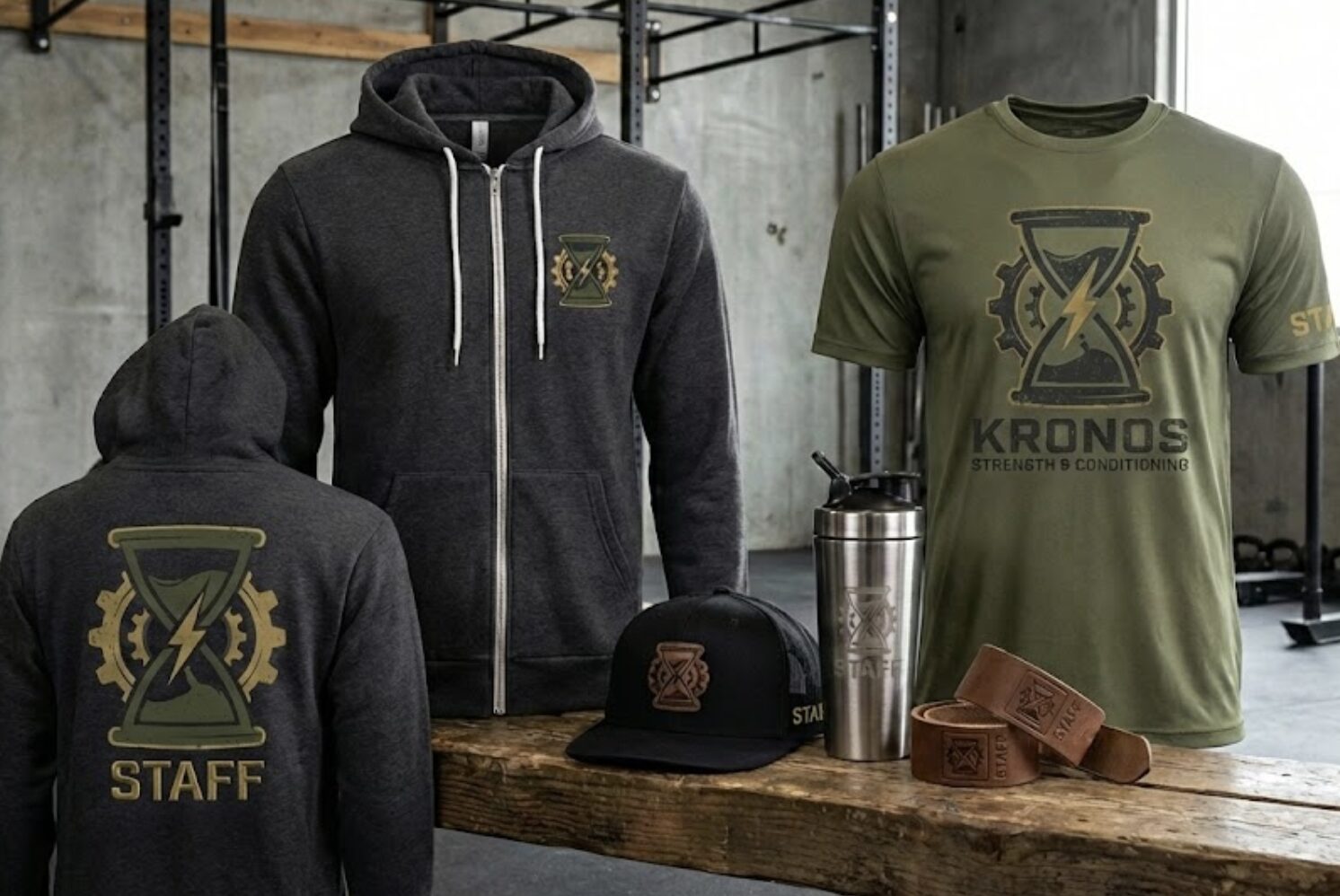
A rigid uniform tells staff who they are supposed to be. A well-designed apparel system lets staff feel part of something without feeling constrained.
That difference determines whether apparel builds buy-in or quiet resentment.
When Matching Shirts Actually Help
Matching shirts work best when roles require clarity.
Front desk teams. Event staff. Coaches during group classes.
In those moments, consistency reduces confusion. Members know who to approach. Staff feel clearly positioned.
The key is that the apparel supports the role instead of dominating it.
When Uniforms Start Killing Culture
Culture starts to erode when apparel ignores reality.
Cheap fabrics that itch or trap heat. Cuts that restrict movement. Colors that show sweat instantly. Logos so large they feel performative.
Staff stop feeling like professionals and start feeling like billboards.
That emotional shift affects how they show up.
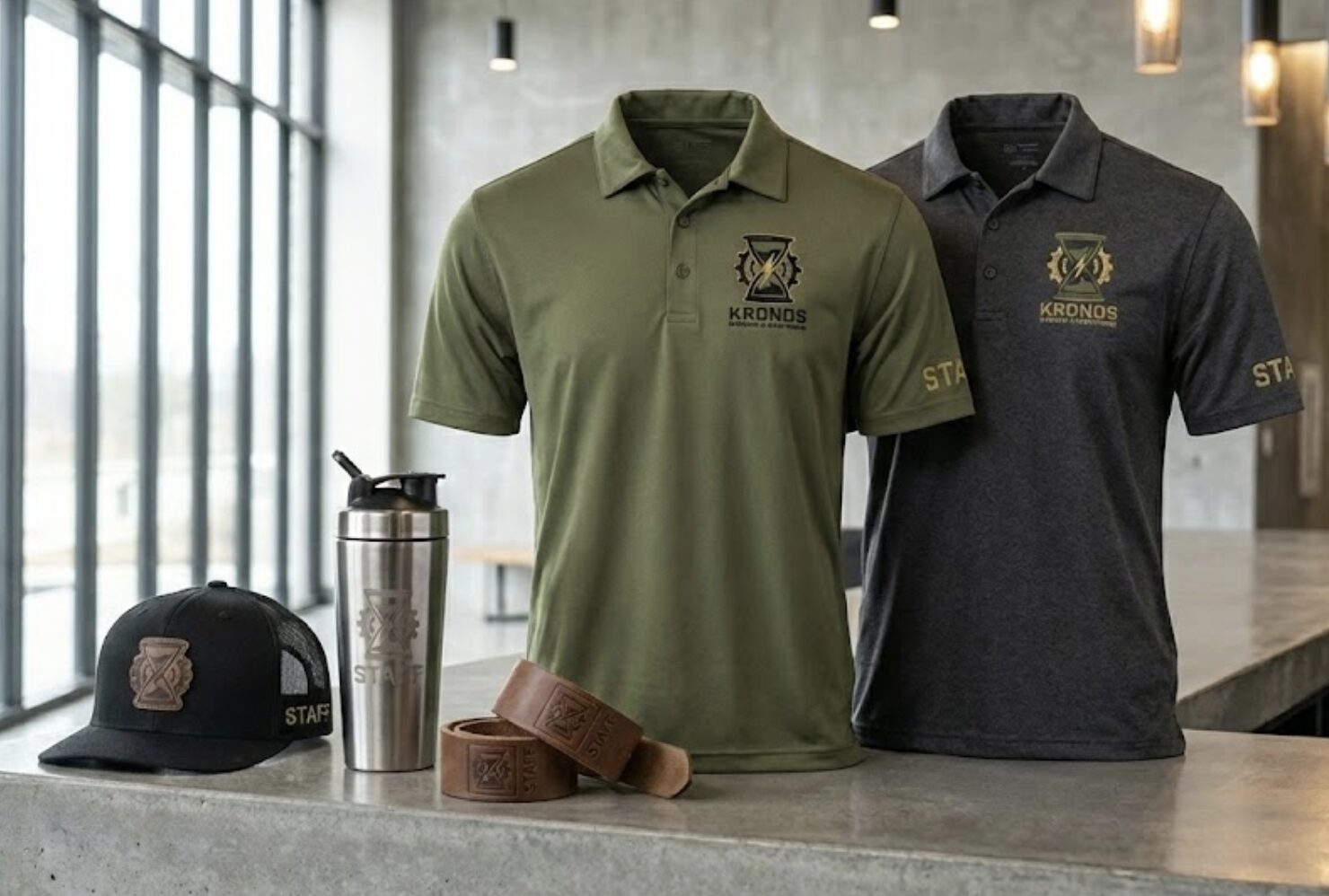
Comfort Is Not A Perk, It Is A Requirement
Staff spend long hours in these clothes.
Teaching. Coaching. Cleaning. Greeting. Moving constantly.
If apparel is uncomfortable, staff adapt by disengaging mentally. They roll sleeves. They swap shirts. They avoid wearing it outside required hours.
Those behaviors are signals.
Why Forced Uniformity Backfires
Not all staff roles are the same. Not all bodies move the same. Not all people feel confident in the same silhouettes.
Forcing one cut or one style across every role creates friction.
Culture thrives when staff feel seen, not flattened.
The Power Of Flexible Consistency
The healthiest gyms use systems instead of single uniforms.
A defined color palette. Approved garment types. Clear logo placement rules.
Within those boundaries, staff can choose what works for their role and body.
That flexibility preserves brand consistency without sacrificing individuality.
Staff Apparel As Internal Signaling
Staff apparel also signals internally.
It tells new hires what matters. It tells veteran staff whether leadership listens. It tells coaches whether movement is respected.
When leadership invests in quality apparel, staff notice. When leadership cuts corners, staff notice faster.
Why Cheap Apparel Feels Like Disrespect
Nobody needs luxury. Everyone needs dignity.
Thin tees that warp after a few washes. Scratchy polos. Stiff hats that never fit right.
These choices communicate priorities.
Staff may never complain directly. They will feel it every shift.
Balancing Brand Visibility With Human Wearability
Internal apparel does not need to maximize logo size.
Staff already represent the brand by being there.
Subtle branding. Clean placement. Thoughtful design.
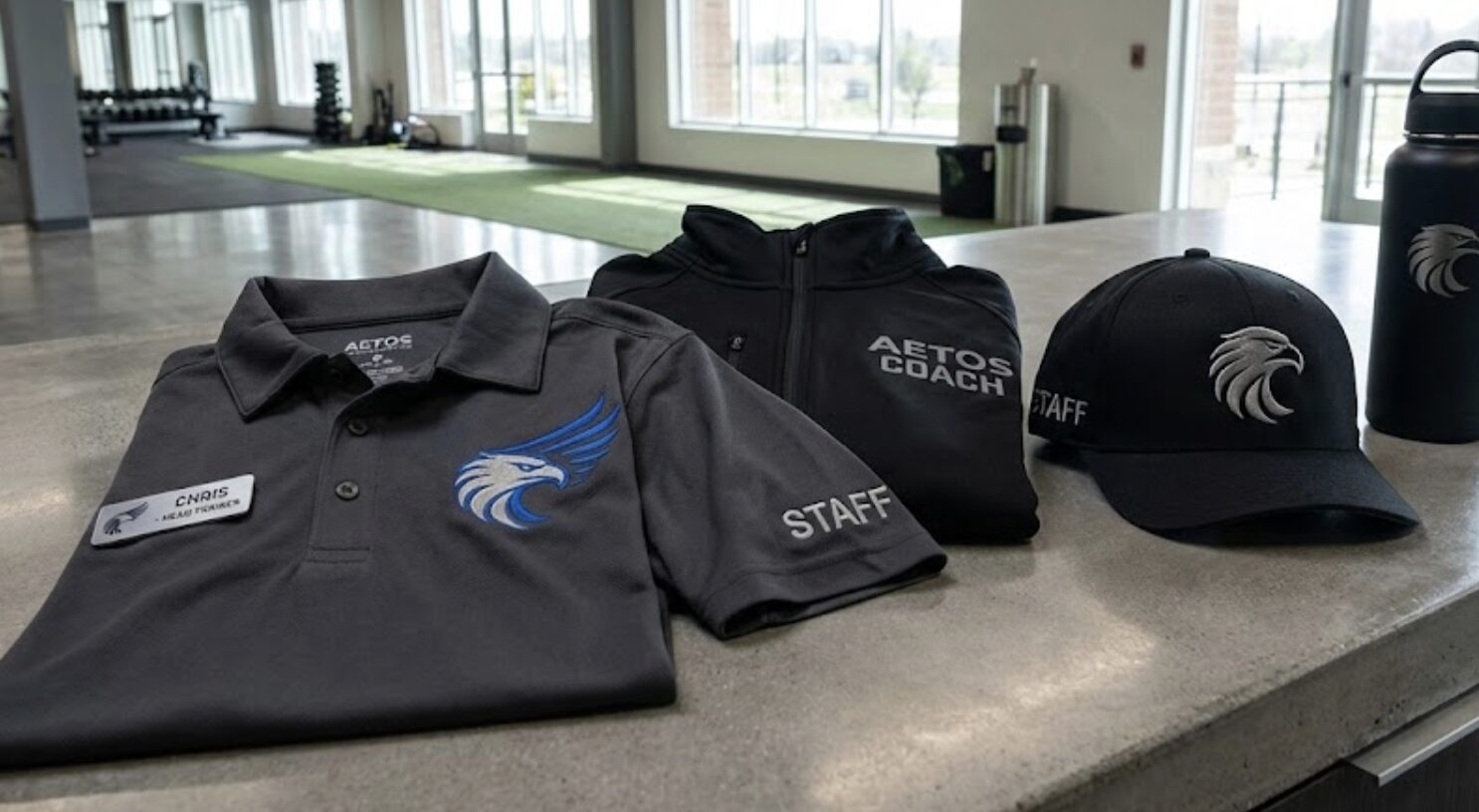
When staff feel good wearing it, brand visibility increases naturally through posture, confidence, and interaction.
Culture Shows Up In How Apparel Is Introduced
Dropping a uniform mandate without explanation creates resistance.
Introducing staff apparel as part of a broader culture conversation builds alignment.
Why this design. Why this fabric. Why this system.
Context matters more than the shirt itself.
How To Choose Branded Merch People Actually Keep
Staff apparel works best when it is chosen with the same care as member-facing merch. The Branded Merch Playbook walks through how to avoid wasted swag and select apparel people genuinely like wearing. Inside, you will find real examples, smart product picks, and pricing context so you can make decisions that support culture instead of fighting it.
Get the Playbook
When Staff Apparel Becomes A Source Of Pride
The best signal is voluntary wear.
Staff wearing gym apparel outside of work. Mixing pieces into their personal wardrobe. Choosing it even when not required.
That behavior cannot be mandated. It has to be earned.
Why One Shirt Per Year Is A Missed Opportunity
Annual uniform refreshes feel transactional.
Culture is ongoing.
Small additions throughout the year. Seasonal layers. Updated fits.
These moments reinforce that staff are part of a living system, not a static one.
Staff Apparel And Psychological Safety
Clothing affects confidence.
If staff feel self-conscious in their apparel, they are less likely to engage fully. Less likely to lead loudly. Less likely to connect.
Good apparel removes friction. It lets staff focus on people, not themselves.
Role-Based Apparel Without Hierarchy Theater
Different roles may need different apparel.
That does not mean louder branding or higher quality for some and not others.
Consistency in quality preserves respect across the team.
Differences should serve function, not status.
How Apparel Influences Member Perception
Members read staff cues constantly.
Relaxed confidence signals competence. Stiff presentation signals pressure.
When staff apparel supports movement and ease, members feel it subconsciously. The environment feels safer, friendlier, more human.
Culture Breaks When Apparel Becomes Punitive
Fines for forgetting a shirt. Strict enforcement without empathy. No backup options.
These policies turn apparel into a compliance tool instead of a cultural one.
The emotional cost outweighs any brand benefit.
Designing Apparel That Matches How You Lead
Authoritarian leadership pairs poorly with flexible apparel. So does community-first leadership with rigid uniforms.
Alignment matters.
Apparel should reflect how decisions are made, how feedback flows, and how autonomy is handled inside the gym.
Staff Apparel As A Retention Signal
People stay where they feel respected.
Quality apparel is not the reason someone stays. But it contributes to the feeling that leadership cares about daily experience.
Retention is built through dozens of small signals stacking up over time.
When To Rethink Your Current Approach
Staff swapping shirts unofficially.
Low adoption outside required hours.
Complaints framed as jokes.
These are signals worth listening to.
Building A System Instead Of Chasing A Look
The strongest gyms stop chasing trends and start building systems.
Clear guidelines. Thoughtful updates. Consistent quality.
This approach scales better and supports long-term culture.
Resources like The Ultimate Guide to to Branded Merch for Gyms and Health Clubs often highlight how staff apparel fits into a broader brand ecosystem instead of existing in isolation.
Culture Is Worn Before It Is Spoken
Staff apparel will never fix broken culture.
But it will amplify whatever culture already exists.
When apparel aligns with values, leadership style, and daily reality, it becomes a quiet force multiplier.
When it does not, it becomes a silent drain.
The difference shows up every shift.


0 Comments