
Why Relationships In Real Estate Fade Faster Than They Should
A home purchase is one of the biggest financial decisions most people will ever make. It involves stress, excitement, paperwork, inspections, and usually a minor emotional roller coaster somewhere in the middle. During the process, the realtor is a central figure. Clients text constantly. Questions pop up at all hours. Everyone is working toward the same finish line.
Then closing day arrives and the energy drops off a cliff.
The keys change hands, the paperwork is signed, and the relationship that felt intense for weeks suddenly becomes quiet. Clients move on to unpacking boxes and figuring out where the coffee mugs belong. Agents shift their attention to the next deal waiting in the pipeline.
That shift makes sense operationally, but it leaves an enormous opportunity sitting on the table. The clients you already helped buy or sell a home are the most likely people to recommend you later. They have seen how you work, they trust your advice, and they know your name without needing a Google search.
Still, memory fades faster than people expect. Life fills up quickly. Months pass. New routines take over.
The question is how to stay present in someone’s mind without constantly interrupting their inbox or showing up in their notifications every week.
The Quiet Power Of Physical Touchpoints
Digital communication is convenient, but it is also disposable. A newsletter might get opened once and never again. Social media posts disappear the moment the next wave of content arrives. Even thoughtful emails blend into the background of dozens of messages that arrive every day.
Physical objects behave differently.
An item that lives inside a home becomes part of daily life. It sits on the kitchen counter, rests by the front door, or gets pulled out during weekend cooking sessions. Instead of asking for attention, it quietly exists in the background.
Over time that presence reinforces recognition.
A client might not consciously think about the realtor who gave them the item. Yet when a friend says they are thinking about moving, the association is already there. The name resurfaces because it never fully disappeared.
Before Ordering Anything, Understand What People Actually Keep
Promotional products are a massive industry. Catalogs are full of gadgets that look clever for about fifteen seconds and then spend the rest of their life inside a junk drawer. Real estate agents unfortunately fall into this trap more often than they realize.
The problem is not generosity. The problem is relevance.
If the item does not naturally fit into someone’s home or daily routine, it will vanish quickly. That is why choosing the right type of merch matters more than the act of giving something at all.
A practical starting point is learning what kinds of items homeowners actually keep around. The Branded Merch Playbook breaks down how to avoid forgettable swag and instead choose items people use regularly and associate with your brand. It walks through real examples, smart product choices, and realistic pricing so agents can order confidently without wasting money on things that disappear after a week.
Get the PlaybookOnce you understand what belongs in a home, the entire strategy becomes clearer.
Where Physical Touchpoints Fit In The Client Journey
Most real estate professionals think about marketing in terms of lead generation. Ads, online listings, open house signs, and social media campaigns all aim to attract the next buyer or seller. That focus makes sense when the goal is filling the pipeline.
The nurture phase is different.
Instead of convincing someone to hire you, the goal becomes reinforcing a relationship that already exists. Physical touchpoints are ideal for this stage because they communicate appreciation rather than promotion.
A closing gift is the obvious example, but that moment is only the beginning. The first year in a home is filled with milestones. Clients settle into new routines, make upgrades, host gatherings, and gradually turn the house into their own space.
Touchpoints tied to those moments feel personal rather than transactional.
Choosing Items That Naturally Live In A Home
When thinking about merch for past clients, imagine where the item will physically live. Will it sit in a kitchen drawer, on a countertop, near the entryway, or somewhere in a workspace?
That context matters.
A tasteful kitchen accessory can quietly exist in the center of daily activity. A home organization item might greet someone every time they walk through the door. A durable household tool could be used for years without ever feeling like promotional material.
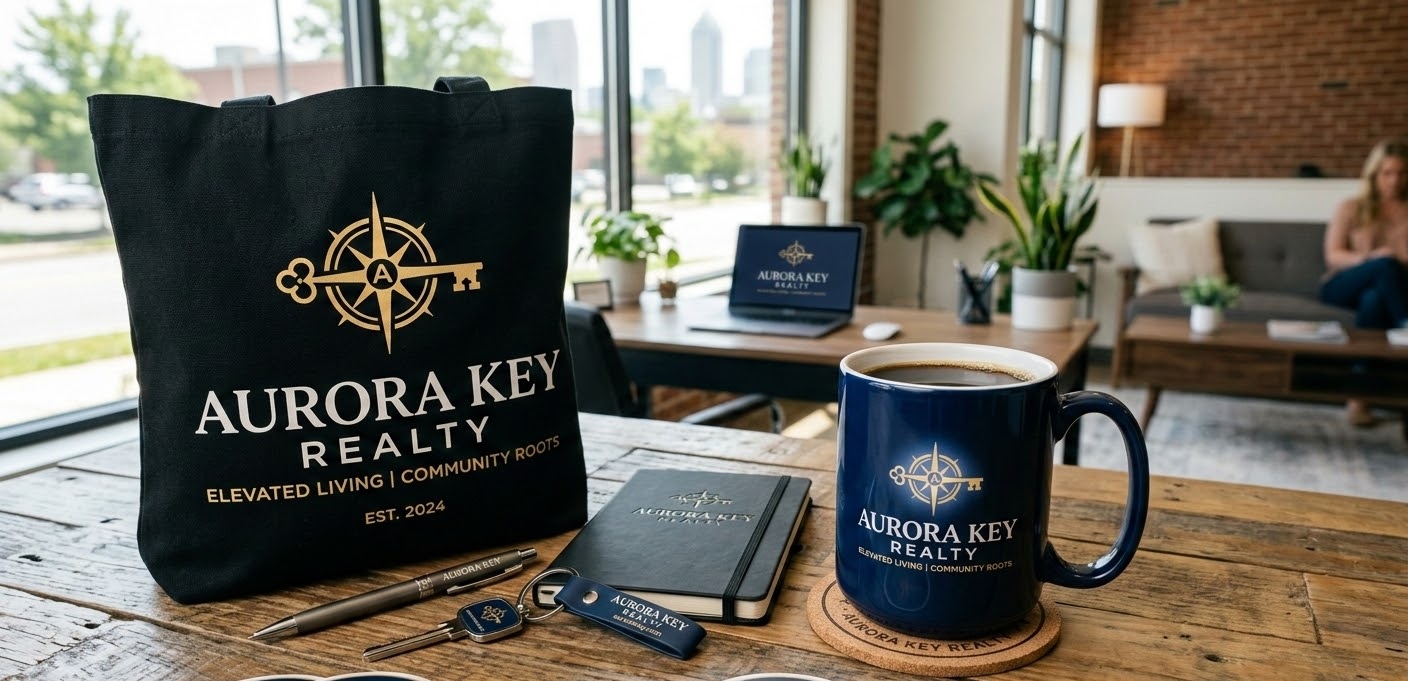
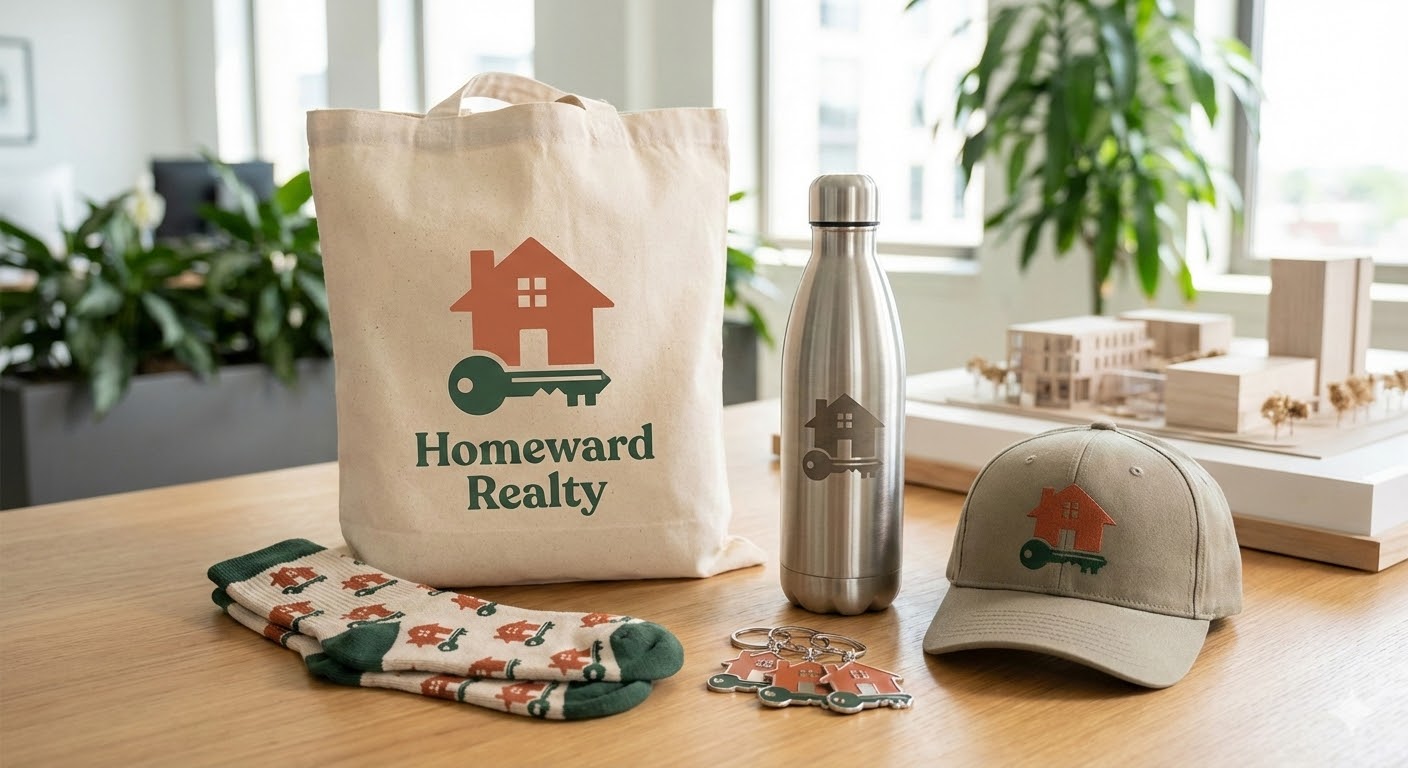
If you want a sense of which items tend to work well for homeowners rather than conference swag tables, browsing branded gifts for realtors can help narrow the possibilities to items that feel natural inside a home.
When an item fits the environment, clients are far more likely to keep it in view.
The Art Of Subtle Branding
Branding inside someone’s home requires restraint. A giant logo across the front of an item turns a thoughtful gift into a walking advertisement. Most homeowners do not want that aesthetic sitting in their kitchen or living room.
Subtle branding creates a very different effect.
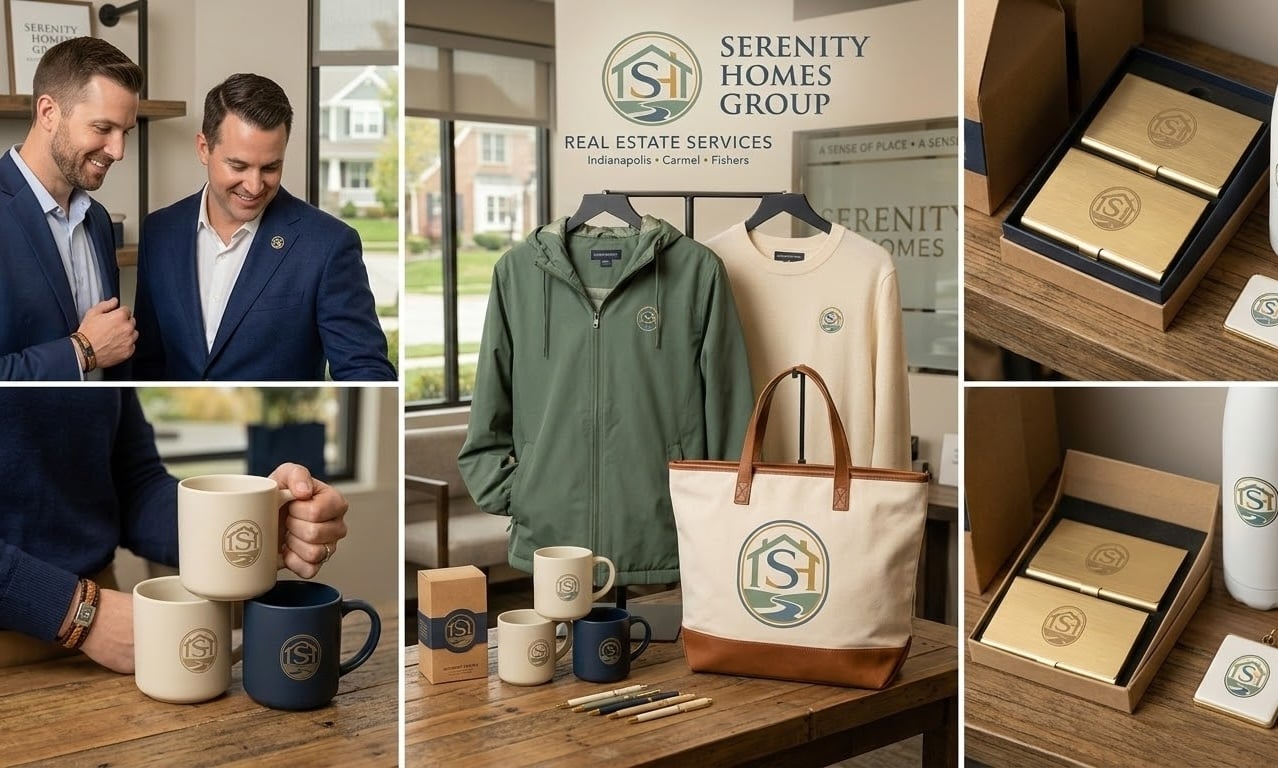
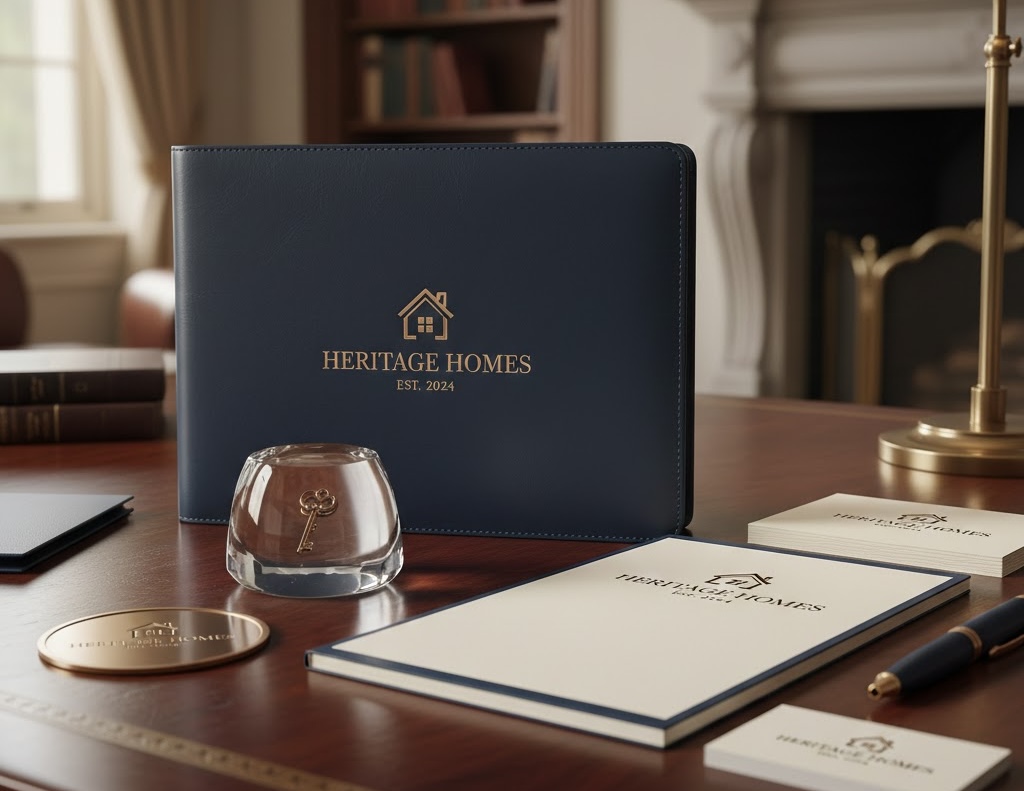
A small engraving, a discreet logo on the underside of an item, or packaging that reflects your brand colors allows the connection to remain visible without dominating the design. Clients recognize where the item came from, but they also feel comfortable keeping it in their space.
That balance is what keeps the touchpoint alive.
Timing Matters More Than Quantity
Some agents worry they need a constant stream of gifts to remain memorable. That approach quickly becomes expensive and can even feel excessive from the client’s perspective.
A better rhythm focuses on meaningful moments.
Closing day is the obvious starting point. After that, the first home anniversary offers a natural opportunity to reconnect. Seasonal check-ins tied to homeownership can also feel appropriate, especially when paired with a practical item that aligns with that time of year.
Spacing these moments thoughtfully keeps the gestures meaningful instead of overwhelming.
Personal Details Make The Memory Stick
Personalization transforms a nice item into a memorable one. Something as simple as referencing a detail from the buying process can bring back the emotion of that moment.
Maybe the client loved the backyard garden. Maybe they joked about needing a bigger kitchen. Maybe they were excited about hosting their first holiday in the new home.
Acknowledging those details in a note or engraving shows that the relationship was more than a transaction.
Clients remember that kind of attentiveness.
Why Systems Make Client Nurture Sustainable
Even agents with great intentions struggle to maintain consistent follow-up when their calendar fills with new deals. A system solves that problem by turning client appreciation into a routine rather than a memory test.
When the touchpoints are planned in advance, execution becomes simple. The right item is already chosen. The timing is predetermined. The process repeats smoothly with each new closing.
Over time, this consistency becomes part of your brand.
If you want a deeper look at how onboarding gifts, closing items, and follow-up gestures can work together as a cohesive strategy, The Ultimate Guide To Branded Merch For Realtors And Real Estate Teams explores how agents structure those touchpoints across the entire client journey.
What Happens Years After The Transaction
The real payoff of thoughtful client nurture rarely appears immediately. It shows up months or even years later during ordinary conversations.
A friend mentions moving to a new neighborhood. A coworker complains about their current realtor. A neighbor asks if anyone knows a good agent.
Those moments are where referrals are born.
If your name is still familiar because your presence never completely disappeared from the client’s environment, you are the person they recommend.
Relationships Are Built In Quiet Ways
Real estate marketing often focuses on visibility. Bigger signs, louder ads, more posts, more content. Those tactics have their place, but long-term loyalty tends to grow through smaller signals.
A thoughtful item in the home. A handwritten note. A gesture that acknowledges the milestone of owning a place that finally feels like theirs.
Physical touchpoints extend the relationship beyond the closing table. They sit quietly in the background of daily life, reinforcing the connection without demanding attention.
Over time, that quiet presence becomes something powerful. Clients remember the experience, the professionalism, and the feeling of being cared for long after the paperwork has been filed away.




0 Comments