
Why Gratitude Systems Matter In Real Estate
Real estate tends to revolve around urgency. Listings move quickly, offers appear suddenly, inspections create last-minute stress, and closing dates arrive faster than anyone expects. During those moments, an agent’s attention naturally shifts to logistics and deadlines. Once the deal closes, the intensity disappears overnight and everyone moves on with their lives.
The strange part is that the most valuable relationships in real estate often begin after the paperwork is finished. Past clients become neighbors, advocates, and referral sources. They talk about the buying experience months later when friends begin searching for a home or debating whether to sell. When those conversations happen, the agent who stayed present in their memory becomes the one whose name is shared.
A gratitude system built around thoughtful merch helps make that presence consistent. Instead of occasional gestures that depend on remembering birthdays or improvising holiday gifts, a structured approach ensures that appreciation remains part of your business rhythm.
What A Gratitude System Actually Means
A gratitude system is not a collection of random gifts stored in a closet. It is a predictable sequence of touchpoints that reinforce appreciation at meaningful moments. The structure might include a closing gift, a home anniversary note, and a periodic check-in tied to seasonal homeownership needs.
Each piece supports the next. The client experiences your attention repeatedly, and those small signals accumulate into a larger impression of reliability and care.
Many agents assume gratitude must be elaborate to feel genuine. The opposite is often true. Consistency tends to matter more than extravagance. A well-chosen item delivered at the right moment communicates far more than an expensive but infrequent gesture.
Before Ordering Anything, Clarify The Approach
A lot of real estate merch fails because it starts with catalogs instead of strategy. Agents scroll through promotional products, choose something that looks popular, and hope clients enjoy it. The result is often a drawer full of items that were polite to receive but easy to forget.
A better approach begins with understanding what people actually keep and use. The Branded Merch Playbook explains how to select items that fit naturally into daily life, how to avoid spending money on products that disappear quickly, and how to align gifts with the type of brand you want clients to remember. It also includes practical examples and pricing context so decisions feel informed rather than improvised.
Get the PlaybookStarting with that clarity transforms gifting from guesswork into a deliberate part of your relationship strategy.
Why Physical Gratitude Feels Different
Digital communication is efficient but fleeting. Emails pile up in crowded inboxes and text threads compete with family conversations and appointment reminders. Even thoughtful messages can fade quickly once they slip below the visible portion of the screen.
Physical items behave differently. They occupy space in the home, which means they participate quietly in everyday life. A cutting board on a kitchen counter, a tray for keys by the door, or a notebook on a desk becomes part of routine behavior.
This subtle presence allows gratitude to persist without requiring additional communication. Instead of reminding clients that you exist, the item reinforces that association naturally over time.
Choosing Items That Belong In A Home
One reason merch strategies fail is that many promotional products were designed for conferences, not living spaces. Plastic gadgets and loud novelty items rarely feel comfortable in someone’s kitchen or living room. When the aesthetic clashes with the home environment, the item disappears quickly.
A stronger approach focuses on objects homeowners already use. Kitchen accessories, home organization tools, and tasteful household items blend into daily routines. They provide genuine value while maintaining the emotional connection to the closing experience.
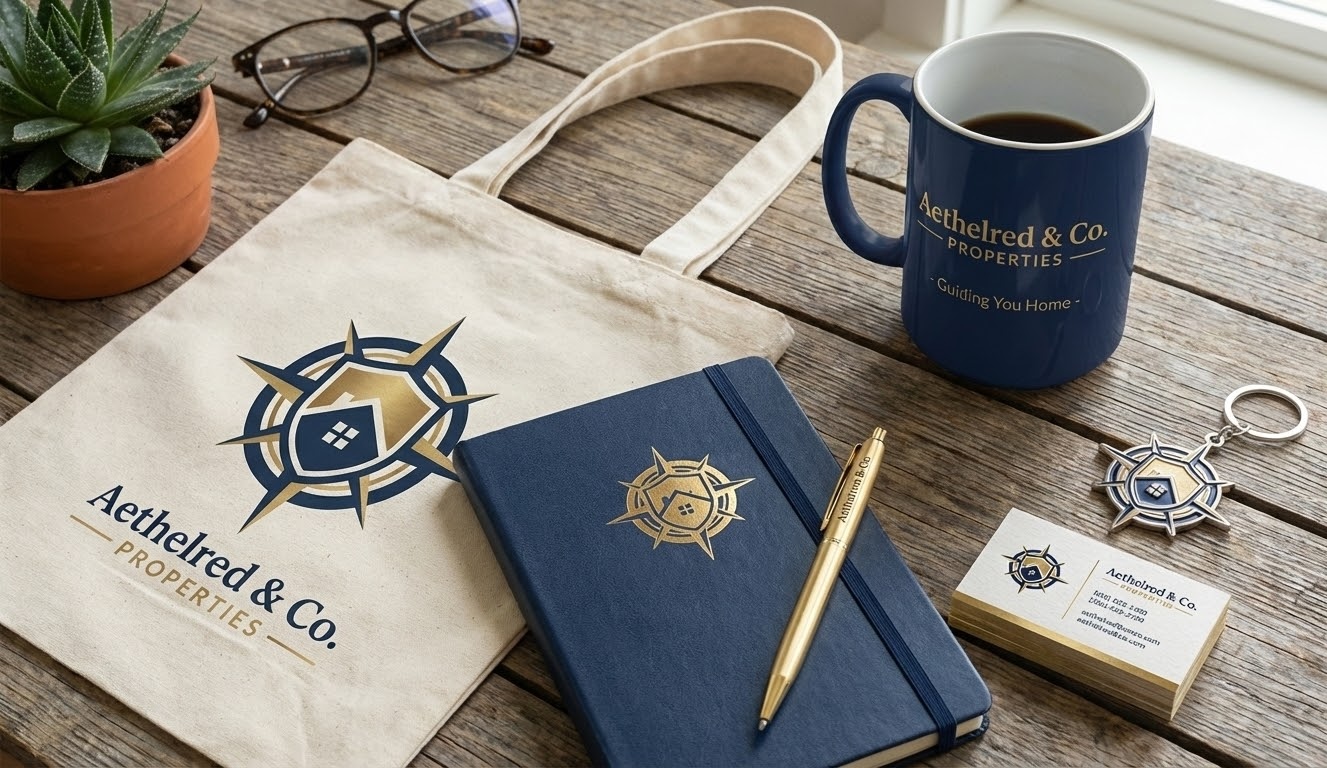
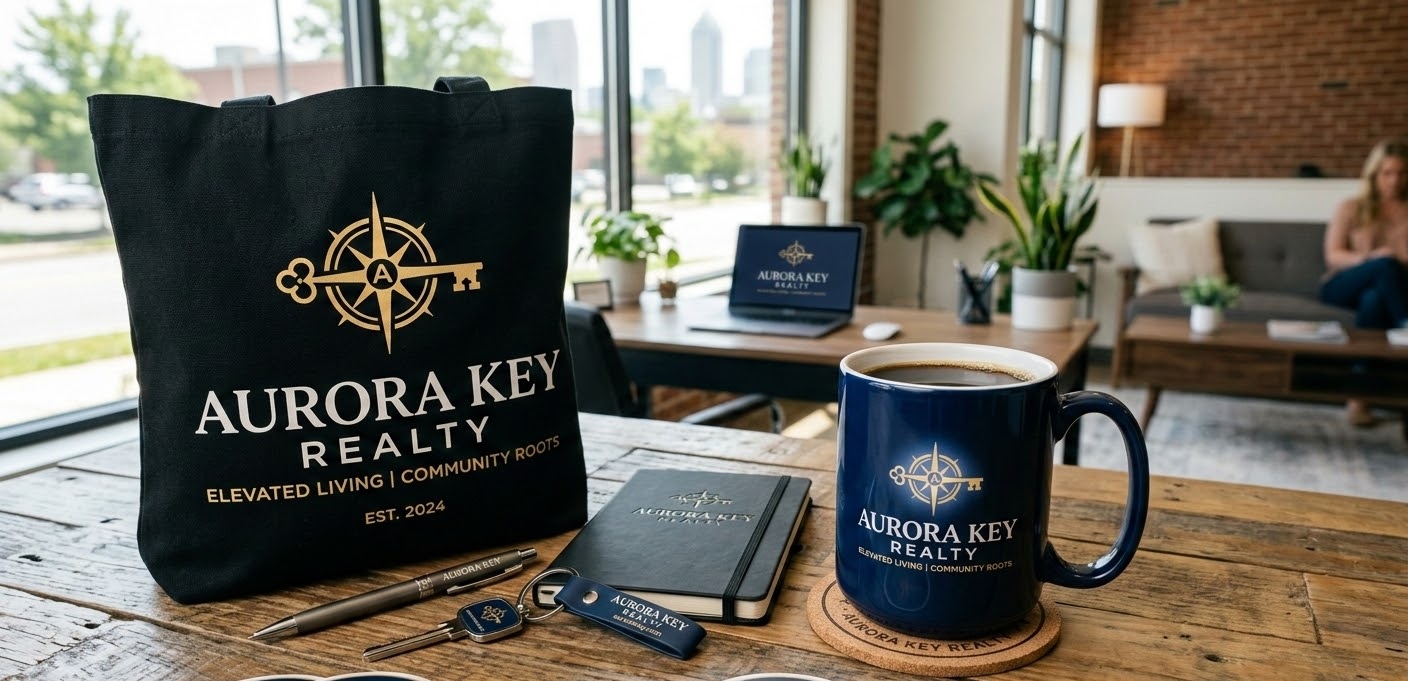
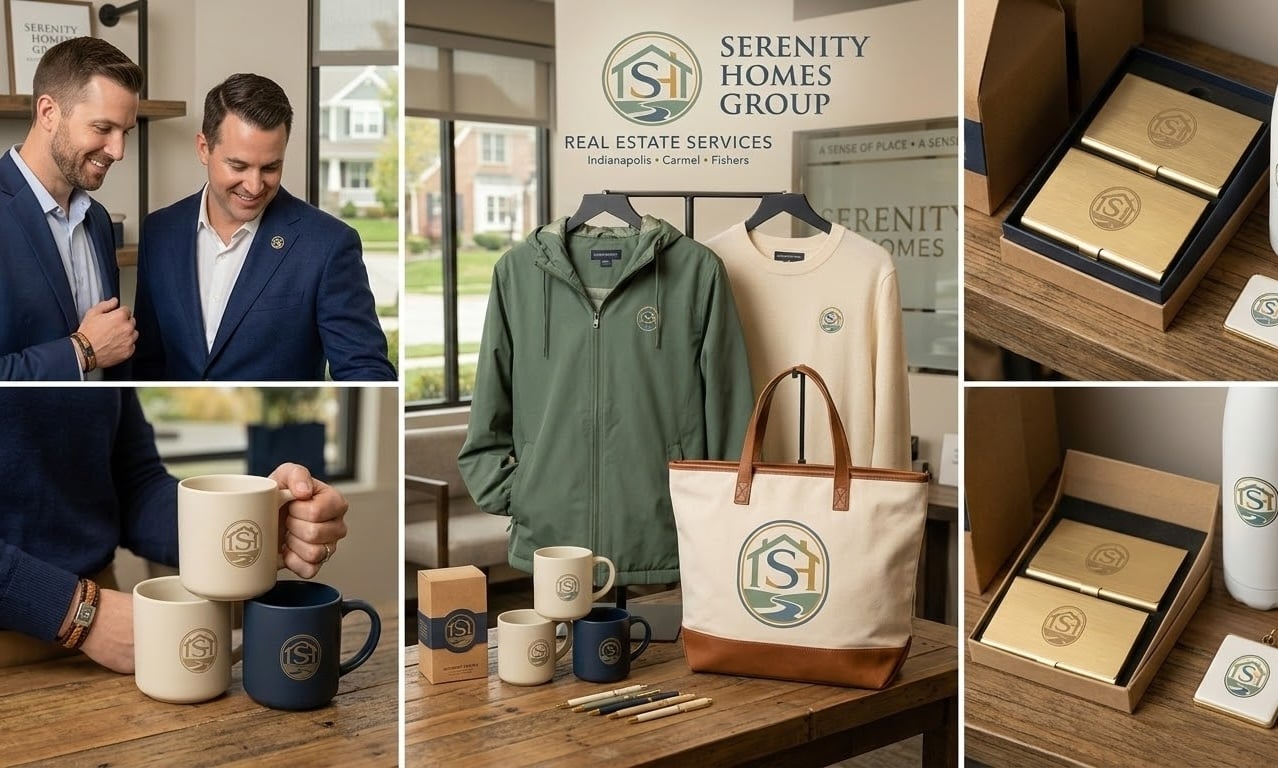
If you want examples specifically suited to real estate clients rather than generic promotional products, browsing branded gifts for realtors can help narrow the possibilities to items that actually make sense inside a home.
When an item looks natural on a counter or shelf, it is far more likely to remain visible and appreciated.
The Balance Between Branding And Subtlety
Branding inside a home requires a lighter touch than traditional advertising. Oversized logos turn useful items into promotional displays, which often encourages clients to store them out of sight. Subtle branding works better because it respects the environment where the item will live.
A small engraving, a discreet logo placement, or packaging that reflects your brand colors can maintain recognition without overwhelming the design. The objective is association rather than advertisement.
When the branding feels understated, clients are comfortable incorporating the item into everyday life. That repeated exposure reinforces familiarity with your name without feeling like marketing.
Designing A Gratitude Timeline
A merch-based gratitude system becomes most effective when it follows a clear timeline. Closing day often includes a celebratory gift that acknowledges the effort involved in the transaction. The next touchpoint might occur at the one-year anniversary of the purchase, recognizing the milestone of living in the home.
From there, occasional seasonal gestures tied to homeownership can keep the relationship active. A practical household item paired with a handwritten note can remind clients that you remain available as a resource.
The rhythm should feel natural rather than excessive. A few well-timed gestures each year typically carry more weight than frequent but impersonal communications.
Why Personalization Strengthens Gratitude
Personalized elements can deepen the emotional impact of a gift. A framed illustration of the home, a customized engraving with the family name, or a note referencing a memorable moment from the buying process shows that the client was more than just another file in a transaction pipeline.
The personalization does not need to be elaborate. Often the smallest details convey attentiveness. Mentioning the backyard they loved during showings or the renovation project they were excited about can turn a simple item into a meaningful reminder.
Personalization reinforces the idea that the relationship continues beyond the transaction.
Systems Reduce The Stress Of Remembering
One of the biggest obstacles to consistent client appreciation is simple forgetfulness. Busy agents juggle listings, negotiations, and scheduling conflicts. Remembering every closing anniversary or seasonal opportunity becomes difficult without structure.
A defined gratitude system removes that burden. When the timeline and items are already planned, the process becomes routine rather than reactive. You simply execute the next step in the sequence.
Consistency also strengthens your reputation. When multiple past clients describe similar positive experiences, the pattern becomes recognizable within your network.
If you want a broader framework for building those structured touchpoints throughout the client journey, The Ultimate Guide To Branded Merch For Realtors And Real Estate Teams outlines how onboarding gifts, closing items, and long-term follow-ups can work together to reinforce your brand.
The Long-Term Impact Of Gratitude
Real estate referrals rarely emerge from aggressive promotion. They come from trust built over time. When past clients remember you as thoughtful, organized, and appreciative, your name surfaces naturally in conversations about buying or selling.
Merch-based gratitude systems contribute to that perception by extending your presence into the client’s daily environment. Each small gesture reinforces the relationship without demanding attention.
Over months and years, those moments accumulate into something more powerful than a single marketing campaign. They create a network of people who remember the experience of working with you and feel comfortable recommending your services.
Relationships Grow Through Small Signals
Transactions end quickly, but relationships grow gradually. A gratitude system built around meaningful physical touchpoints allows appreciation to remain visible long after closing day.
Instead of competing for attention in crowded digital spaces, your presence becomes part of the environment where your clients live. The items you choose quietly reinforce the story of how they found their home and who helped them through the process.
When those stories are shared with friends and neighbors, your reputation grows in a way that advertising alone rarely achieves.



0 Comments