
The Subtle Difference Clients Actually Feel
Most agents have asked some version of this question: should I give something personalized, or should I give something branded? It sounds tactical, like you are choosing between two SKUs in a supplier catalog. In reality, you are choosing between two emotional signals.
A heavily branded item says, “Remember my business.” A personalized item says, “I remember you.” The twist? The strongest strategies are rarely about choosing one over the other. They are about understanding when each signal is appropriate and how to blend them without making it awkward.
Real estate is relational. Your gifts should reflect that.
What Branded Gifts Communicate
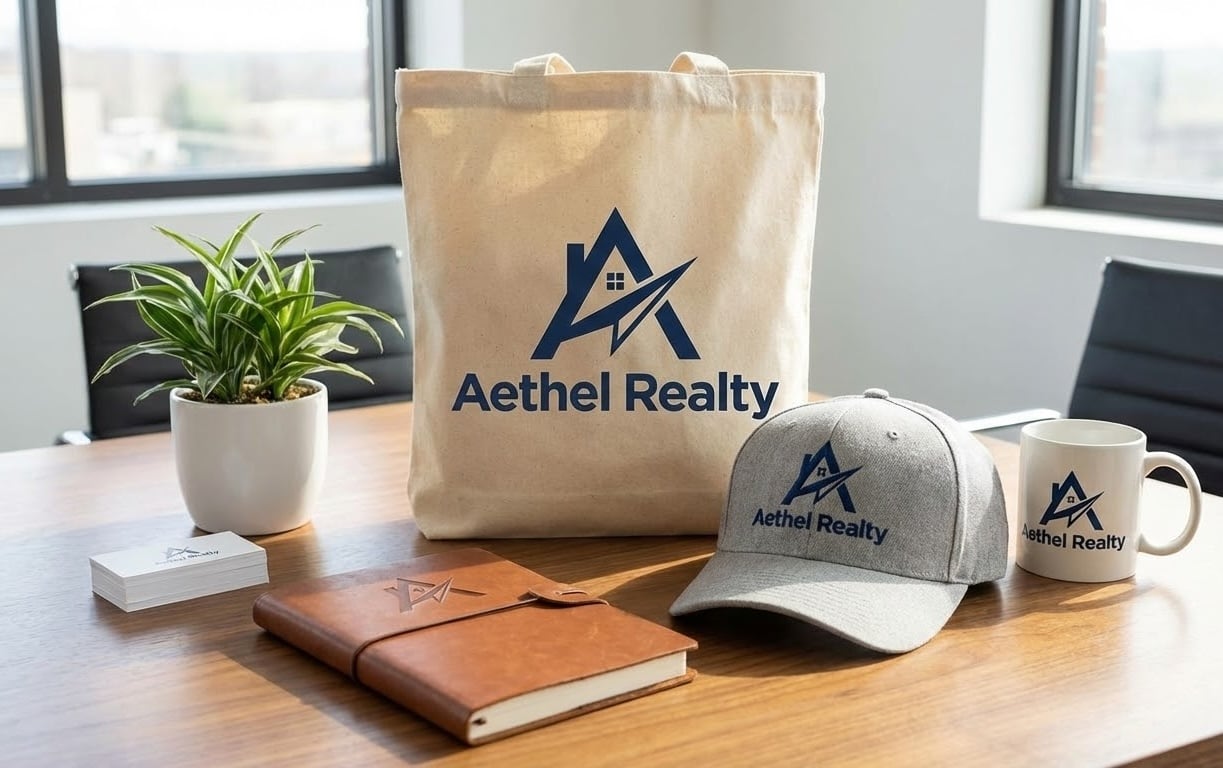
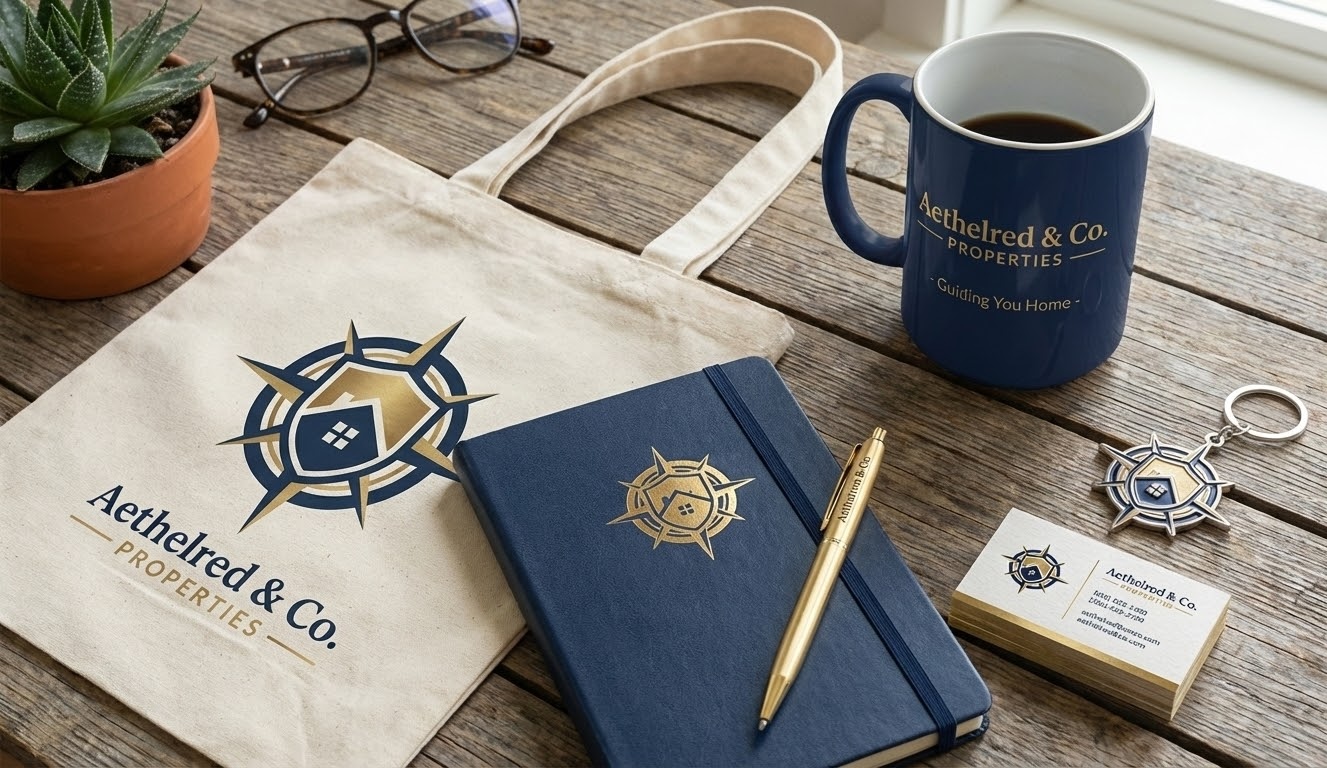
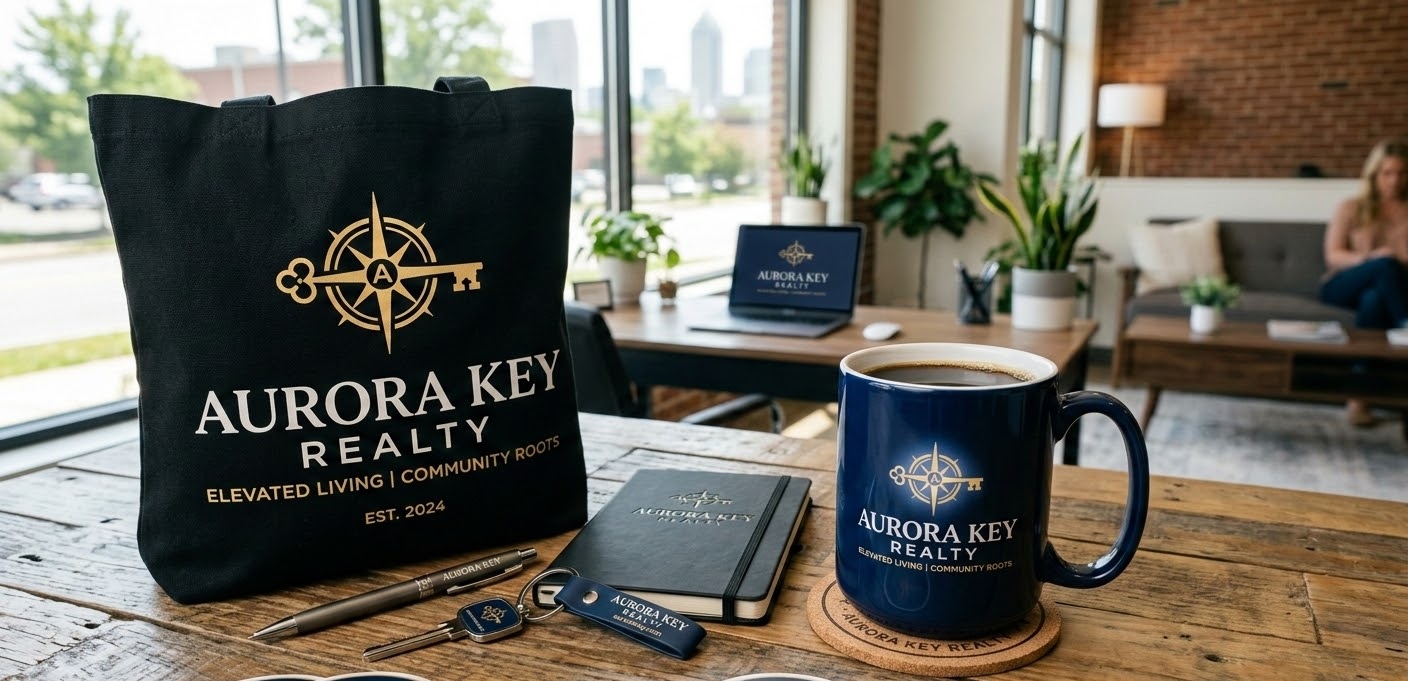
Branded gifts, when done well, communicate professionalism and consistency. A refined home item with subtle logo placement reinforces that you operate like a business, not a hobby. It signals stability. It creates visual continuity across your touchpoints.
When done poorly, branded gifts feel promotional. Oversized logos, loud taglines, and generic items can cheapen even a well-handled transaction. Clients do not want to feel like walking billboards in their own kitchens.
There is a difference between tasteful association and obvious advertising. That line matters more than most agents realize.
What Personalized Gifts Communicate
Personalized gifts lean into intimacy and attention. A framed illustration of the home. An engraved cutting board with the family name. A custom house number plaque. These gestures tell clients that you noticed them as individuals, not just as a file in your CRM.
Personalization often generates stronger emotional response. It shows memory. It shows listening. It shows care.
Still, personalization without brand alignment can become disconnected from your broader strategy. If your name is nowhere to be found and the gift feels unrelated to your identity, it may not reinforce long-term recall.
Before You Choose Either, Get Clear On Strategy
If you want to avoid wasting budget on items that feel thoughtful in the moment but disappear from daily life, you need a framework. The Branded Merch Playbook breaks down how to select items clients actually keep, how to align physical touchpoints with your positioning, and how to avoid trendy purchases that age poorly. It also provides pricing context and real examples so you can invest with clarity instead of guesswork.
Get the Playbook
Clarity first. Catalog browsing second.
When Branded Makes More Sense
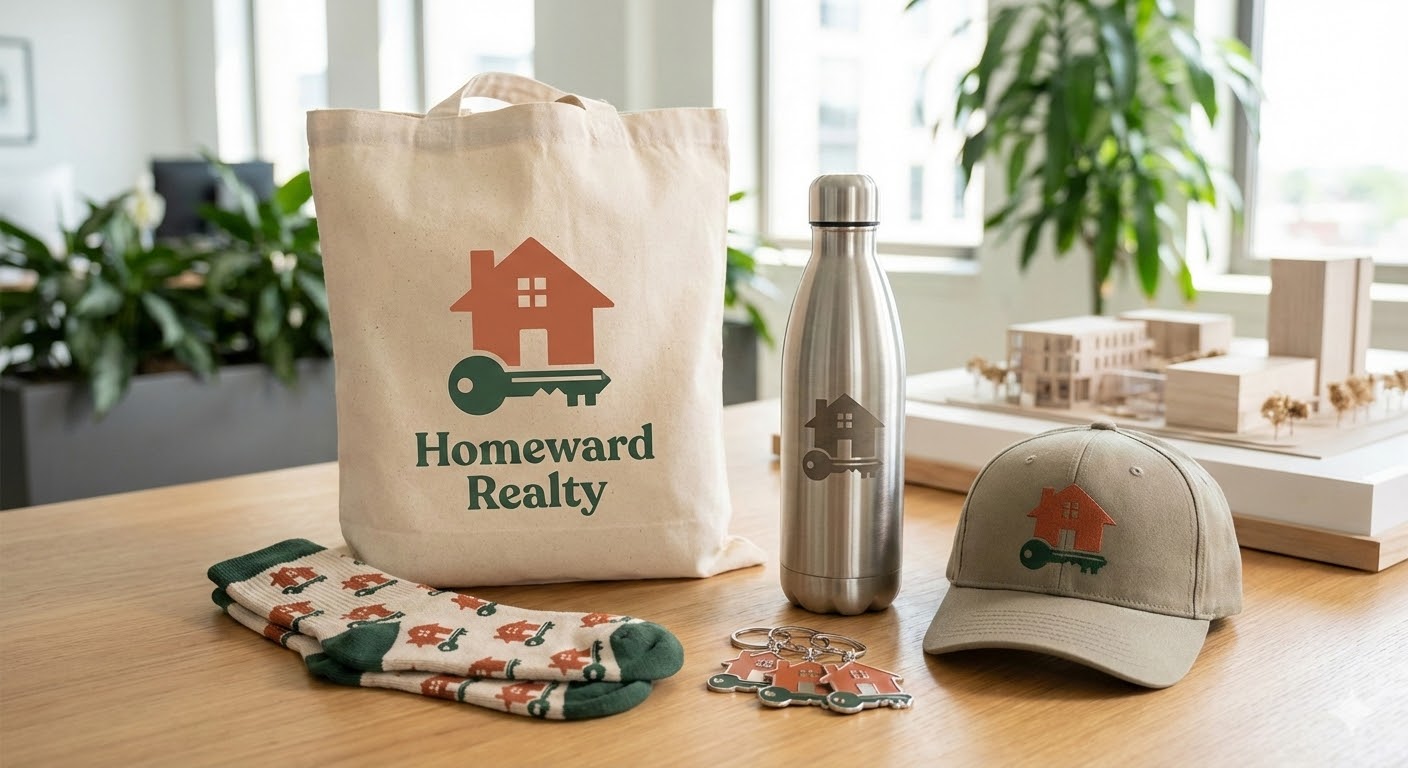
Branded gifts shine when consistency and long-term visibility are your priorities. Think of items that live in everyday spaces. A neutral valet tray for keys. A high-quality notebook for home projects. A kitchen accessory that sits on the counter. When your logo is small and tastefully placed, the item integrates into daily life without feeling promotional.
This works especially well in mid-market segments where durability and practicality resonate more than elaborate customization. Clients appreciate useful objects that feel elevated.
If you are looking for ideas grounded in real estate rather than corporate trade shows, reviewing branded gifts for realtors can help you focus on items that belong in a home environment instead of a conference swag bag.
When Personalized Has The Edge
Personalized gifts often make the biggest impact at milestone moments. Closing day. A first home purchase. A long-awaited upgrade. These events carry emotional weight, and customization amplifies that feeling.
A watercolor rendering of the home framed in a neutral mat. A custom engraved home-related item with the closing date. Even a curated welcome box that references a feature they loved about the property can deepen the memory.
In luxury markets, personalization often aligns naturally with expectations. Clients who invest heavily in a property tend to value bespoke experiences. The personalization must be refined, though. Loud fonts and excessive embellishment can undermine the intention.
The Hybrid Approach That Works Best
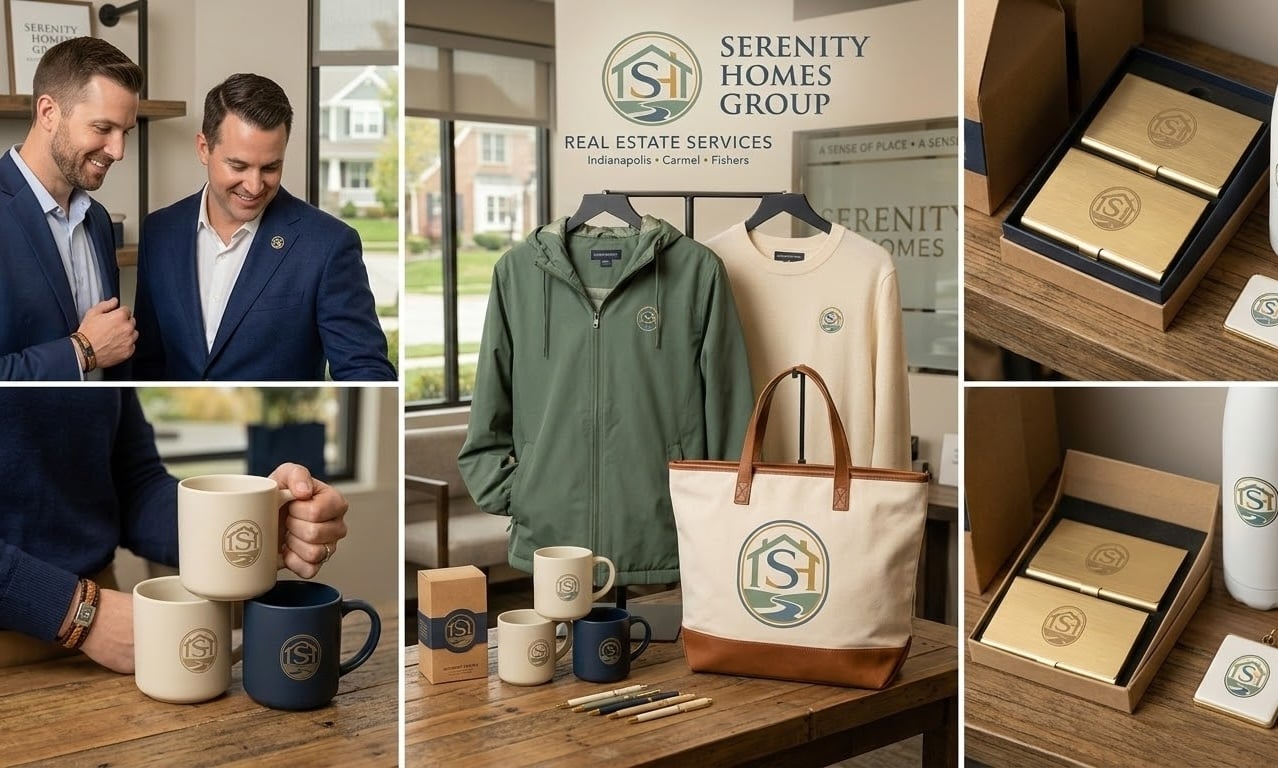
The most effective real estate gifting strategies blend subtle branding with thoughtful personalization. For example, you might gift a personalized home illustration packaged inside a branded, high-quality folio. The client experiences the emotional impact of customization while your brand remains present in a restrained way.
Another approach is to personalize the core item and brand the supporting materials. A custom house-related gift paired with a well-designed note card and packaging that reflect your identity keeps everything cohesive.
This hybrid strategy reinforces both memory and recognition.
Common Mistakes That Undermine Both
Overbranding is the obvious misstep. If your logo is the largest visual element, the gift becomes about you rather than the client. That shift changes the emotional tone.
On the other side, hyper-personalization that feels forced can also miss the mark. Engraving a long message that feels scripted or including unnecessary decorative flourishes can make a gift feel less refined.
Another issue is misalignment with property tier. A highly customized luxury item may feel out of place in a modest transaction, just as a basic branded item may feel underwhelming in a high-end sale.
Alignment always wins.
Think In Terms Of Integration
Instead of asking which option is better, ask how the item will integrate into the client’s life. Where will it live? How often will it be used? Does it naturally invite conversation?
A personalized house portrait hanging in an entryway may prompt guests to ask about it. A well-designed branded tray by the door quietly reinforces your presence every day. Both create touchpoints. The key is choosing intentionally based on your goals.
If you want a broader framework for structuring your gifting from onboarding through post-closing follow-up, The Ultimate Guide To Branded Merch For Realtors And Real Estate Teams outlines how each stage can reinforce the next without feeling repetitive.
Emotional Impact Vs Long-Term Recall
Personalized gifts tend to create immediate emotional spikes. Clients smile. They feel seen. They post a photo. Branded gifts, when done tastefully, tend to create long-term recall. They live in daily routines and gently reinforce your name over time.
Neither outcome is inherently superior. It depends on what you want to optimize. If referrals are your primary growth driver, long-term recall becomes extremely valuable. If differentiation in a competitive market is critical, emotional impact may carry more weight.
Ideally, your strategy captures both.
Budget Does Not Determine Thoughtfulness
There is a tendency to equate higher spend with higher impact. That assumption can lead to overcomplication. A well-chosen, moderately priced item that aligns perfectly with your brand often outperforms an expensive but mismatched gift.
Clients respond to cohesion and care more than raw dollar value. When the gift feels integrated with your process and identity, it strengthens the overall experience.
The Relationship Lens
Real estate is rarely a one-time interaction. Clients move again. They refer friends. They call for advice about renovations or market shifts. Your gifting strategy should reflect that long arc.
Branded items reinforce continuity. Personalized items reinforce intimacy. When used together thoughtfully, they transform a completed transaction into an ongoing relationship.
Choosing between personalized and branded gifts is not about picking a side. It is about understanding the signals each sends and designing a system that reflects how you want to be remembered. When your gifts align with your positioning, property tier, and client personality, they stop being gestures and start becoming growth assets.

0 Comments