
The quiet, classy follow-up strategy that turns transactional moments into long-term relationships.
There’s a strange thing that happens in both estate planning and business law. You deliver exceptional work. You solve a real problem. The client thanks you profusely. You shake hands, hand over the documents, close the folder, and…
They disappear.
Not because they’re unhappy. Not because they switched firms. They just drift back into normal life, the way people do after a medical procedure or a tax season meltdown. The problem was solved. The fire is out. The crisis is over.
But here’s the weirdest part: if you asked those same clients six months later, “If you needed something updated, which attorney would you call?” many would hesitate for a moment. Not because they forgot you exist, but because memory gets fuzzy when life gets full.
That’s the danger zone. And that’s exactly where thoughtful, well-designed thank-you kits come in.
These kits aren’t gifts. They’re not “client swag.” They’re structured follow-through. They turn the closing of one project into the beginning of the next relationship. When done well, they become one of the most powerful tools a law firm has—especially in practice areas where clients only surface when something changes.
Why Thank-You Kits Work So Well For Law Firms
Clients expect legal work. They don’t expect thoughtful packaging. They don’t expect clarity tools. They don’t expect something that helps them stay organized long after the meeting is over.
Estate planning clients especially appreciate structured, tangible materials. They’re dealing with emotional topics, big decisions, and documents they pray their family never has to reference in a panic. A clean, cohesive thank-you kit signals: “We’ve thought about your future more than you realize.”
Business clients feel the same way. Clean collateral equals competence. Organization equals reliability. A firm that delivers structure is a firm that gets repeat work.
This is where many firms stop, though. They give the packet, the documents, maybe a folder if they’re fancy, and that’s it. Meanwhile, other firms are using branded items strategically, following the frameworks outlined in The Ultimate Guide to Branded Merch for Law Firms, to build trust, authority, and retention.
And clients feel it.
Get The Branded Merch Playbook
A practical guide full of proven frameworks and curated product picks that help professional firms create thoughtful, memorable client touchpoints. See what to give, why it works, and how intentional merch reinforces trust rather than cheapening your brand.
Get the Playbook
The Hidden Job Of A Thank-You Kit
The goal isn’t to surprise clients. It’s not to be “cool.” It’s not even about delight, although that happens naturally.
The real job of a thank-you kit is to:
- Reinforce the trust you earned.
- Give clients tools they’ll actually use.
- Make your firm impossible to forget.
- Establish your identity as a long-term partner.
- Trigger referrals organically.
Most firms think referrals come from big wins or heroic saves. Often, they come from the simple moment a client hands a clean folder, notebook, or card to someone else and says: “This is the firm we used. They were fantastic.”
Thank-you kits act as physical referral anchors.
What Goes Into An Effective Thank-You Kit?
You’re aiming for helpful, not extravagant. Ethical, not gift-like. Practical, not promotional. Subtle branding. Clean presentation. Professional tone.
Here’s the core structure:
1. A Clear Summary Of What You Accomplished Together
Clients need reminders. They forget how complicated the project was. They forget the value you added. A one-page summary of what was completed becomes an at-a-glance reference they revisit later.
Radio silence after a project is a missed opportunity. This is the opposite: a recorded moment of clarity.
2. Next-Step Checklists For Future Needs
Estate clients may need:
- Updates after births or deaths.
- Annual beneficiary reviews.
- Asset inventory updates.
Business clients may need:
- Annual minutes or resolutions.
- Contract renewals.
- Entity maintenance reminders.
These checklists become magnets. Posted on office walls. Slipped into desk drawers. Handed to partners. All with your firm’s name grounded subtly in the corner.
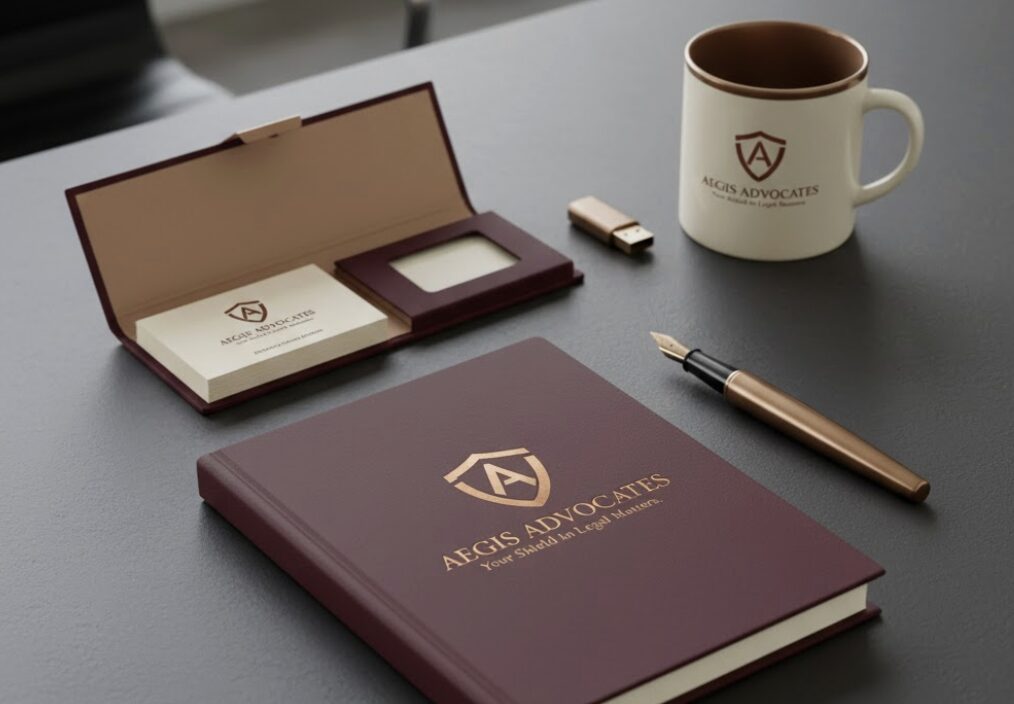
3. A Premium-Feeling, Low-Cost Notebook
People keep notebooks. They lose pens. They don’t lose notebooks.
Notebooks live on desks. Desks are where decisions happen. That’s retention gold.
4. A Thank-You Card Written Like A Human
Short. Warm. Personal.
Not sentimental. Not legal. Just sincere acknowledgment of the partnership.
Not only does this build goodwill, it also humanizes the relationship—something clients rarely expect from their lawyer.
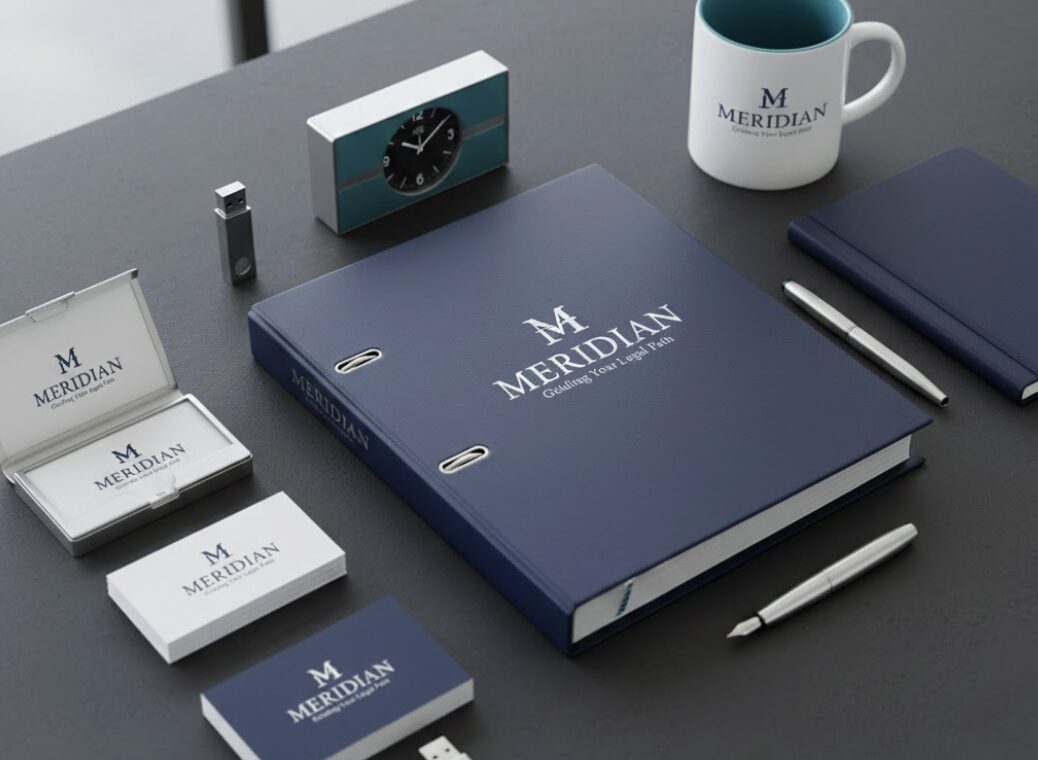
5. Optional Branded Items That Actually Serve A Function
Think:
- A metal bookmark for estate-planning documents.
- A simple document sleeve.
- A laminated quick-reference card.
- A minimal desk mat for business clients.
All modest. All useful. All long-lasting.
Tying Thank-You Kits To Future Engagements
Kits shine brightest when they aren’t standalone gestures but strategic triggers for future needs. But not bribes. Just, “hey you may need this in the future. Thought this thing would be helpful.”
Here’s how to structure that.
Estate Plan Reviews
Most clients forget they ever created an estate plan. You can turn a closing package into a roadmap for future meetings.
Include:
- A checklist titled “When To Call Us Next.”
- A calendar card with recommended review milestones.
- Instructions for how to update digital asset information.
Your thank-you kit becomes a built-in follow-up system.
Contract Renewals And Business Maintenance
Business clients fall behind not because they don’t care, but because operations get messy.
Your thank-you kit nudges them with:
- A checklist for annual filings.
- A quick-start guide for contract renewals.
- A note reminding them your firm helps with governance, compliance, and restructuring.
Visual reminders create repeat business.
Partnership Changes And Corporate Milestones
Partnership changes are emotional and logistical nightmares. When they happen, clients look for counsel they already trust.
Your thank-you kit should include a “What To Do When Your Business Changes” guide. Not pushy. Just helpful.
This becomes a built-in retainer builder without feeling like a sales pitch.
Why These Kits Generate Referrals Automatically
People share what feels polished. They share what feels helpful. They share what feels smart.
Imagine a client explaining their estate plan to a sibling. They hand them the summary sheet. They hand them the notebook. They hand them the checklist. They say, “This is the firm we used. They made everything simple.”
This is referral gold. Simple. Organic. Unforced.
Or picture a business owner at lunch explaining how they cleaned up their contracts. They pull out your materials. The branding is elegant, not loud. The other owner takes note.
Lawyers often chase referrals the wrong way—coffee meetings, random emails, awkward requests. Thank-you kits solve that quietly.
How Thank-You Kits Strengthen Your Brand Identity
Most law firm branding falls apart the moment you leave the website. Fonts change. Colors shift. Documents look like they were assembled by three different interns. Thank-you kits unify your identity across materials.
This matters because consistency equals trust.
And if you need inspiration for how law firms design kits that look elevated instead of “promo-y,” the examples inside The Ultimate Guide to Branded Merch for Law Firms make it painfully clear how much good design influences client perception.
Making Your Thank-You Kits Repeatable (So You Actually Use Them)
A system beats inspiration every time.
Here’s the simplest structure:
- Create a template for estate clients.
- Create a separate template for business clients.
- Store components in one labeled cabinet or digital repository.
- Train your admin team to assemble them automatically.
- Refresh designs once a year to keep them sharp.
If you wait for “special moments,” kits never get sent. If your team has a system, they go out every single time.
The Real Magic: Making Clients Feel Supported Long After The Project Ends
Clients assume attorneys disappear when the invoice is paid. Your thank-you kit says the opposite: “We’re still here. We’re your people. You don’t need to start from scratch next time.”
It tells estate clients they always have a guide.
It tells business clients they always have a partner.
It tells potential referrals, “This firm takes care of its clients.”
That’s loyalty. That’s retention. That’s the foundation of a firm that grows quietly and sustainably.
And the secret is deceptively simple: close the engagement with thoughtfulness, clarity, and tools clients keep—not with silence.




0 Comments