
People do not quit gyms because they forget how fitness works.
They quit because something feels off.
Too loud. Too chaotic. Too cold. Too cluttered. Too awkward. Too much effort to mentally settle in before even starting a workout.
Aesthetics are not decoration. They are psychological infrastructure.
Whether you run a strength gym, boutique studio, or full-scale health club, design is shaping behavior long before programming, pricing, or coaching ever get a chance.
And the wild part? Most of it happens subconsciously.
Your Brain Decides Before Your Logic Shows Up
Walk into a gym for the first time and notice what your body does.
Shoulders tense or relax. Breath shortens or deepens. Eyes scan for exits or anchors.
This is not preference. It is threat assessment.
Humans constantly evaluate environments for safety, competence, and belonging. Aesthetics shortcut that process. Clean lines suggest order. Thoughtful lighting suggests care. Cohesive branding suggests leadership.
Messy spaces create friction before a single rep is done.
Design Is Emotional Regulation, Not Style
Good gym design regulates emotion.
Lighting sets arousal. Music sets pace. Spacing sets comfort. Materials set trust.
A gym can be intense without being stressful. Those are different feelings.
High-retention gyms understand this distinction. They design spaces that energize without overwhelming and motivate without intimidating.
When people feel regulated, they return. When they feel drained, they drift.
Why Familiarity Beats Novelty Over Time
Instagram gyms love novelty. Members love familiarity.
Bold murals and extreme visuals get attention once. Consistent environments build habits.
Retention is built on repetition. The brain likes knowing what to expect. Predictability reduces cognitive load.
This does not mean boring. It means intentional.
The best gym aesthetics age well. They do not rely on trends that feel dated six months later.
Visual Noise Quietly Pushes People Away
Posters everywhere. Signs taped to walls. Equipment stored wherever it fits. Mixed fonts. Mixed colors. Mixed messages.
Each item might seem harmless. Together, they exhaust the brain.
Visual clutter increases stress and reduces perceived competence. Members may not articulate it, but they feel it.
Calm spaces invite repeat behavior. Chaotic spaces demand recovery from the environment itself.
Brand Consistency Signals Stability
People stay where things feel steady.
Consistent colors. Consistent typography. Consistent tone across signage, merch, and digital touchpoints.
This is not branding for branding’s sake. It is a trust signal.
When everything looks like it belongs together, the brain assumes the business does too.
This is also why physical details matter so much. As explored in physical touchpoints build trust, people judge organizations by what they can see and touch far faster than what they are told.
Get The Branded Merch Playbook
If your gym’s aesthetic feels right inside the space but falls apart once members leave, the Branded Merch Playbook helps bridge that gap.
It shows how gyms, studios, clinics, and organizations extend their design language into apparel and physical items members actually use. You will learn how to choose products that feel cohesive with your space, reinforce your brand identity, and avoid merch that quietly cheapens the experience.
It also includes practical product guidance and pricing context so your visual consistency does not stop at the front door.
Get the PlaybookLighting Is The Most Underrated Retention Tool
Lighting changes perception more than new equipment ever will.
Harsh fluorescent light increases fatigue and irritation. Warm, controlled lighting improves mood and focus.
Members do not say, “I love this gym because of the lighting.” They say, “I just like being here.”
That feeling comes from lighting done right.
Spacing Communicates Who Belongs
Crowded layouts send a message, even if unintentionally.
They say efficiency over comfort. They say adapt or leave. They say this space was not designed with you in mind.
Thoughtful spacing communicates inclusion. It tells members there is room for them, their pace, and their learning curve.
Retention improves when people feel physically comfortable taking up space.
Materials Matter More Than Square Footage
Concrete, wood, rubber, metal. These materials carry emotional weight.
Cheap-feeling materials suggest temporary effort. Durable, tactile materials suggest permanence and care.
A smaller gym with intentional materials often feels more premium than a massive space filled with shortcuts.
People trust environments that feel built to last.
Merch As Aesthetic Reinforcement
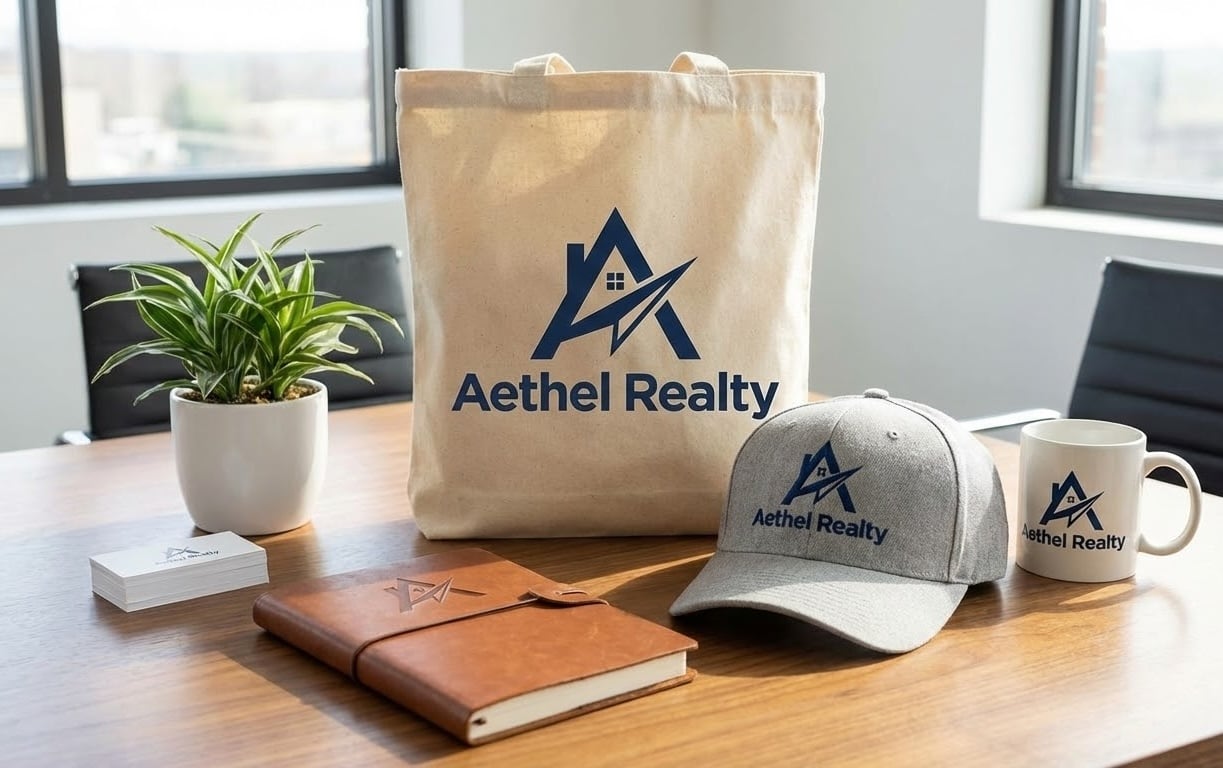
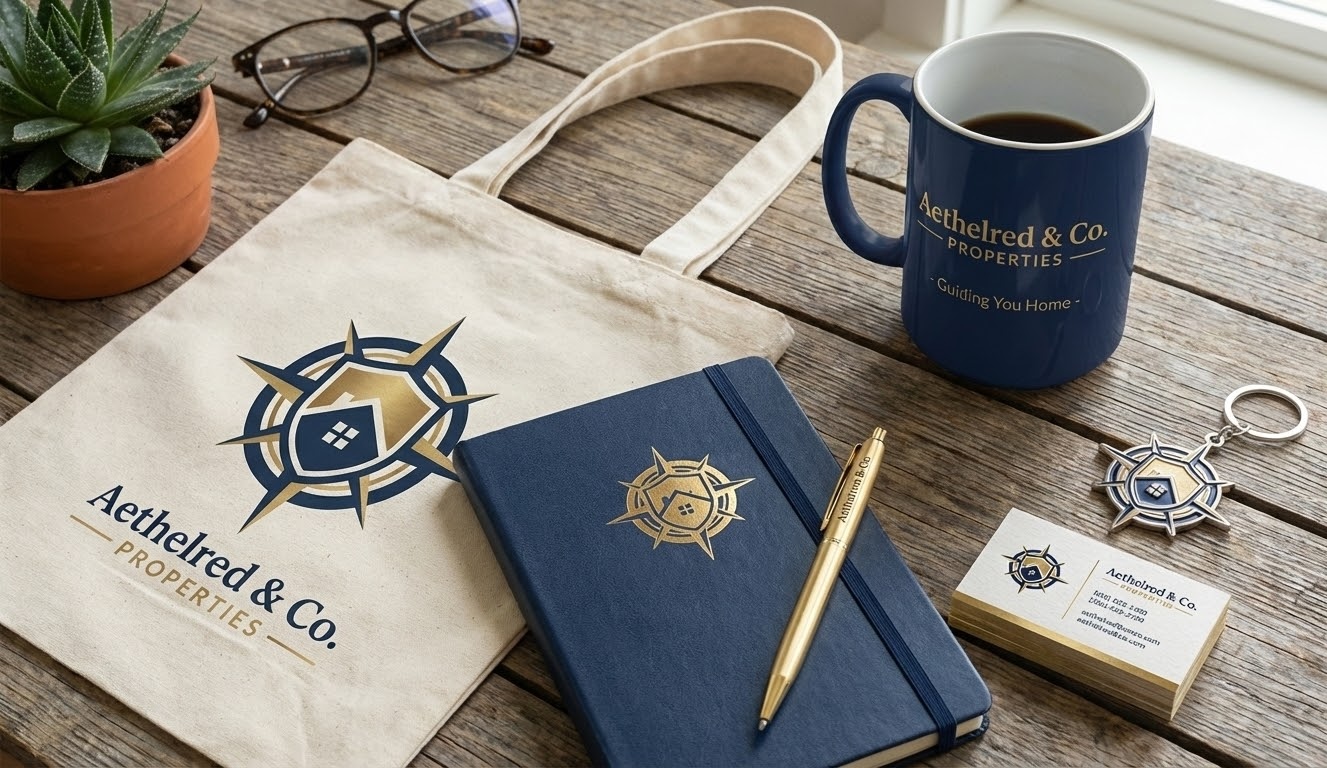
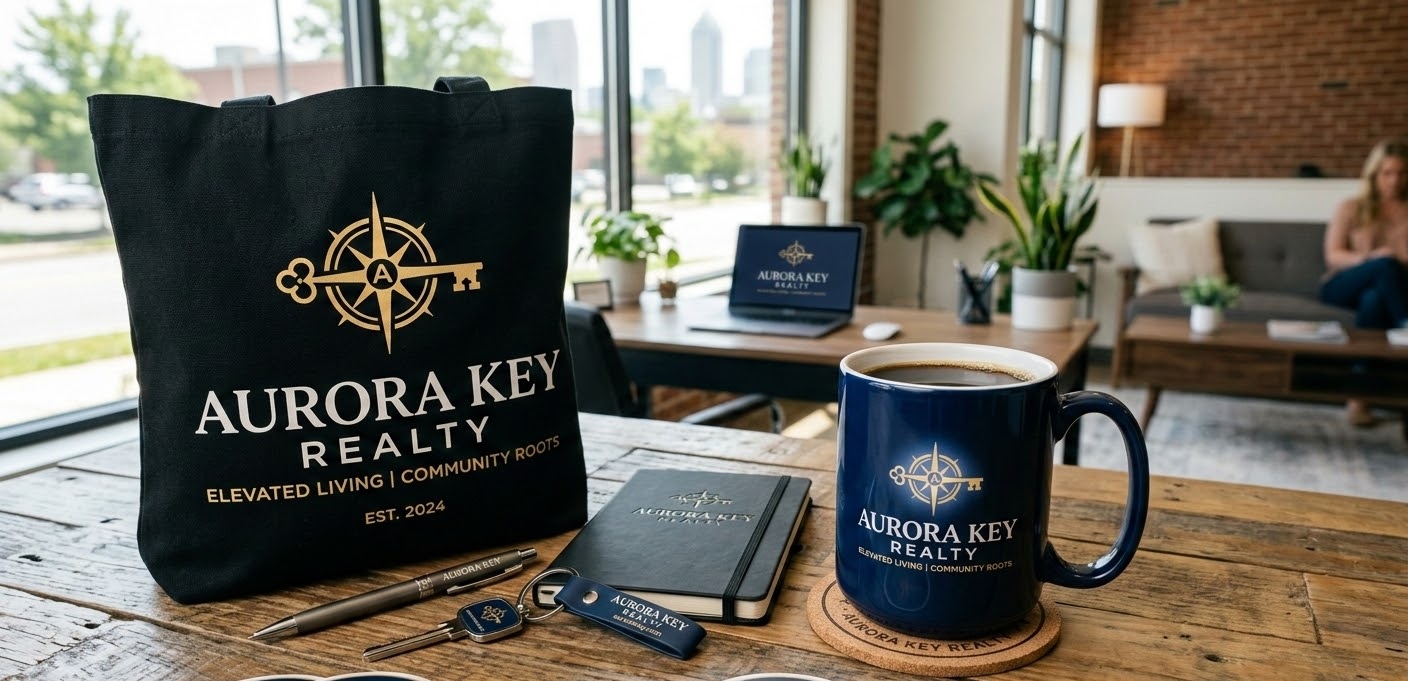
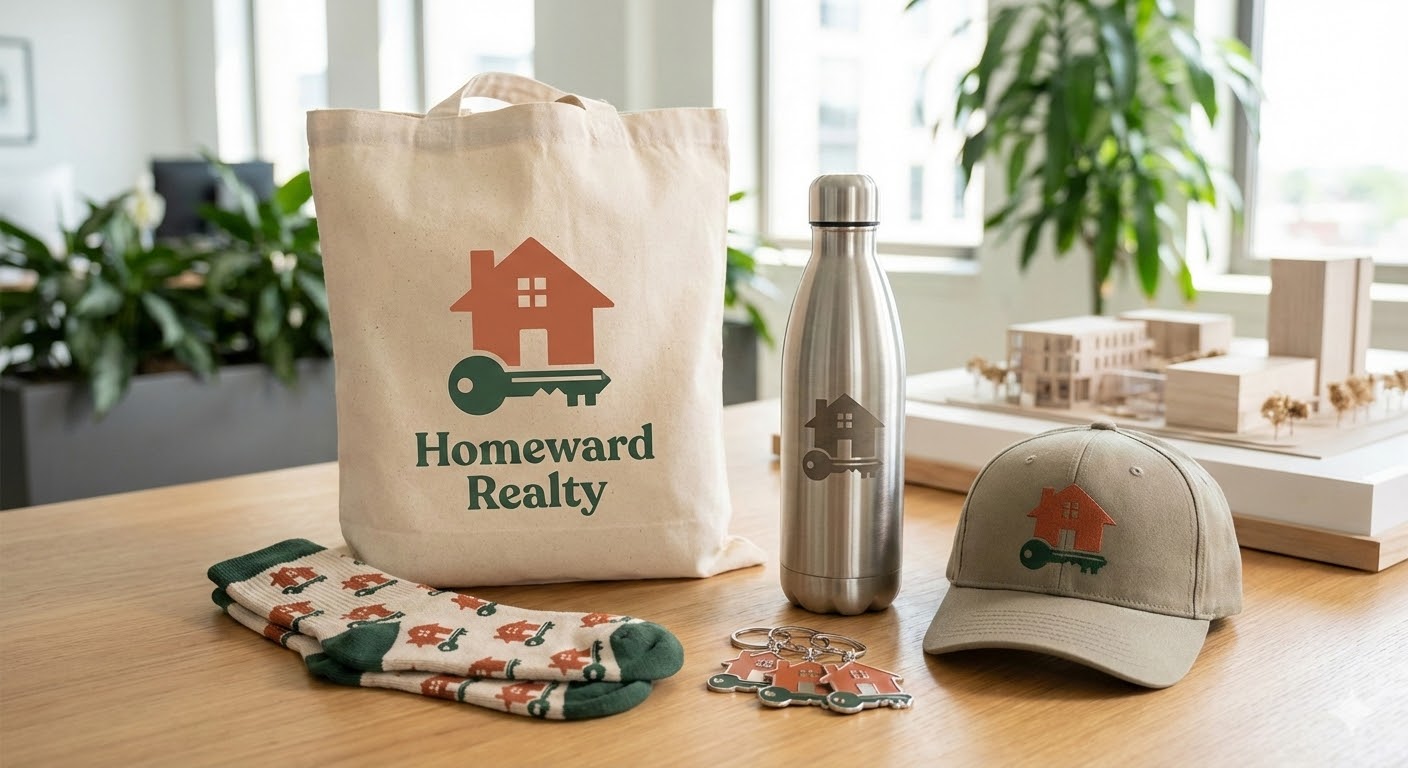
Merch is not just a revenue line. It is mobile design.
When apparel, bottles, and accessories match the aesthetic of the gym, members carry that feeling into their daily lives.
When merch looks disconnected, it breaks the illusion.
This is why The Ultimate Guide to Branded Merch for Gyms and Health Clubs emphasizes alignment over volume. Fewer, better pieces reinforce brand identity far more effectively than racks of mismatched items.
Why Aesthetic Consistency Builds Identity
People stay where they feel like they belong.
A consistent aesthetic helps members identify as “someone who goes here.” That identity becomes part of how they see themselves.
Leaving then feels like losing something, not just canceling a membership.
Design supports identity. Identity supports retention.
Staff Are Part Of The Visual System
Uniforms matter. Not because they are mandatory, but because they signal cohesion.
When staff look like they belong in the space, members relax. When staff look disconnected, the system feels fragmented.
This does not require strict uniforms. It requires intentionality.
Why Cheap Visual Choices Cost More Long-Term
Cutting corners visually feels like saving money.
In reality, it creates subtle friction that increases churn. One less visit per month. One canceled membership that could have stayed.
Aesthetics do not shout. They whisper.
But those whispers add up.
What To Audit First
If retention is slipping and programming is solid, look at the environment.
Is the space visually calm or chaotic?
Does the design feel intentional or accidental?
Do physical touchpoints match your positioning?
Start with one improvement. Lighting. Decluttering. Consistency.
Design does not need to be flashy to work. It needs to feel considered.
When aesthetics support psychology, retention follows naturally.




0 Comments