When Math Meets Manners
If you’re a financial advisor, you probably live and breathe ROI. You track returns, optimize portfolios, and analyze cost-per-lead like a scientist with a spreadsheet addiction. But here’s a truth that rarely shows up in your CRM reports: the highest ROI in your business might not come from a marketing campaign — it might come from a handwritten note and a well-designed thank-you kit.
That sounds like fluff, right? Something your office manager does when there’s extra time? Nope. This is a retention weapon disguised as kindness.
Most advisors obsess over acquisition because it feels measurable. Ads have metrics. Funnels have stages. Seminars have sign-in sheets. Retention, on the other hand, feels like a vibe — and financial professionals don’t love vibes unless they can be charted in Excel.
But here’s the twist: the vibe is worth more than the ad spend.
Why Advisors Obsess Over Acquisition (And Why That’s Risky)
Most firms pour money into lead gen. They’ll spend $500 on Facebook ads for a single discovery call or drop $2,000 on a dinner seminar hoping two people convert. And yes, new clients matter. But the real margin lives in your existing book.
Client acquisition is expensive. Retention, by contrast, is the quiet compounder — the dividend that keeps paying while you sleep. One client you keep for ten years is worth more than five who ghost you after one review meeting.
That’s when branded thank-you kits enter the chat.
And this is where many advisors miss an enormous opportunity: retention is emotional before it’s numerical. The better you make people feel, the longer they stay. Period.
Retention Beats Acquisition Every Time
Think about your own loyalty. You stay with brands that make you feel seen. Maybe it’s the local coffee shop that remembers your order, or the hotel that leaves a note on your pillow. The gesture costs them pennies, but the emotional stickiness is priceless.
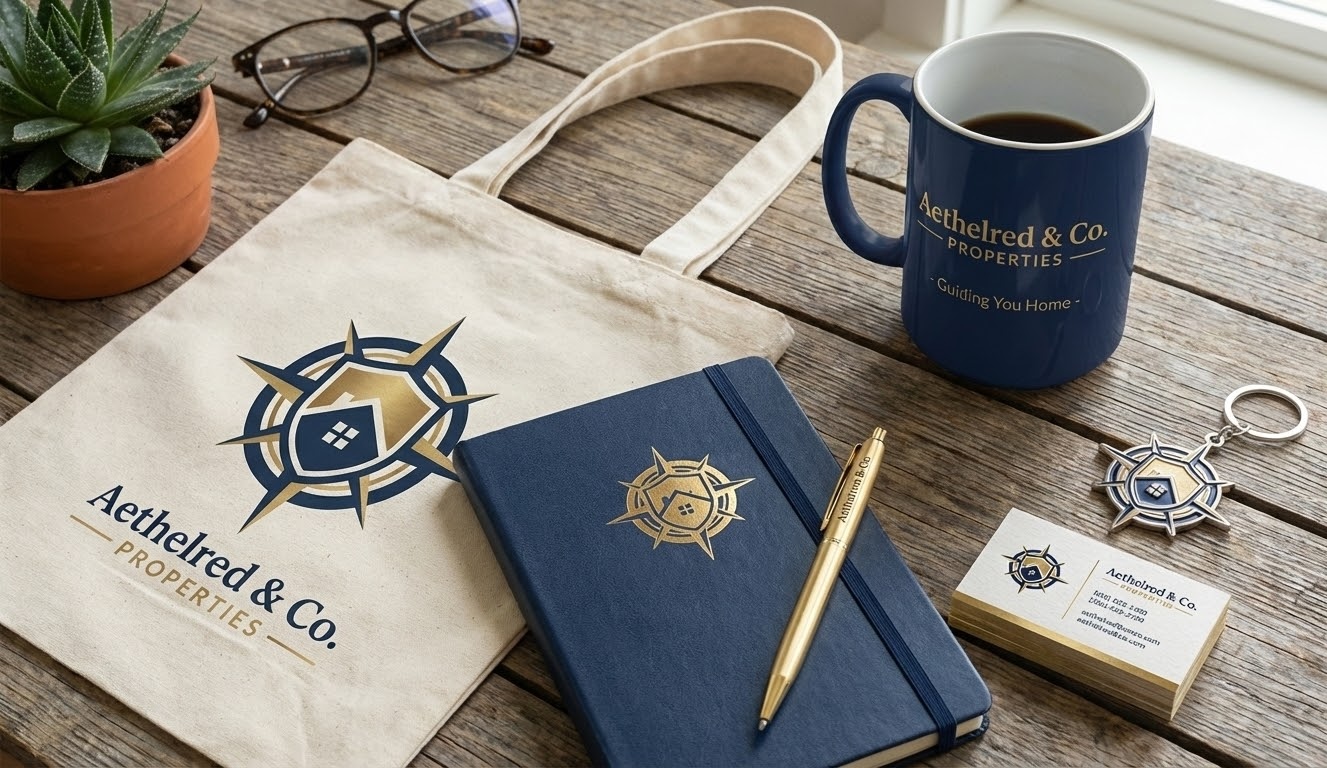
In financial services, retention is trust multiplied by time. A simple, thoughtful kit — a mug engraved with your logo, a handwritten card, and maybe a locally roasted coffee — triggers something powerful: reciprocity. Your client feels appreciated, not targeted.
That small emotional moment makes it awkward for them to leave you for another advisor over a 10-basis-point difference in fees. It’s human nature — we stay with those who make us feel valued.
The ROI Math (Yes, It’s Real)
Let’s put numbers to it. Say your average client generates $3,000 a year in revenue and stays five years. That’s $15,000 lifetime value. If a $50 thank-you kit keeps them even one extra year, you’ve earned a 30x return. Try getting that from your next LinkedIn ad.
The irony? Advisors will question whether a $50 gift is “too much,” while spending ten times that on a prospect dinner that never closes.
Retention gifting is the only marketing line item where your ROI is emotional and financial — at the same time.
Your Shortcut To Better Branded Merch
This free playbook breaks down what to give, why certain items perform better, and how to build kits people genuinely want to keep. If your goal is swag that supports your brand instead of cheapening it, this guide will save you time, money, and headaches.
Get the PlaybookBut Isn’t Gifting Compliance Tricky?
Sure, there are limits. Most firms cap gifts around $100 per client per year. But you don’t have to blow your budget on branded wine bottles or golf clubs. The magic is in meaning, not money.
A thoughtfully designed kit that aligns with your firm’s brand — like the examples in this guide to compliance-safe swag for financial advisors — stays far below gifting thresholds while still feeling premium.
The difference between “cheap swag” and “client-grade gifting” is intentionality. You’re not sending trinkets; you’re reinforcing relationship equity.
What a Great Thank-You Kit Actually Looks Like
A strong kit hits three notes:
- Personal – Include their name, a real note, or reference a specific milestone (“Congrats on your first Roth max-out!”).
- Useful – Items they’ll actually use, like premium pens, candles, tumblers, or notebooks.
- Branded Subtly – Your logo should whisper, not shout. The goal is to create a keepsake, not a billboard.
If you’re unsure what works best for financial clients, you’ll find smart parallels in this post on branded kits for the first 90 days. It shows how early impressions can set the tone for long-term retention — the same logic that applies beautifully to ongoing thank-you gestures.
The Behavioral Side of Appreciation
Humans are wired for reciprocity. Behavioral economists call it “social exchange theory” — basically, when someone gives you something, you want to return the favor.
In client relationships, that favor looks like:
- loyalty during market dips,
- patience when volatility gets loud,
- and referrals when friends ask for recommendations.
Send a well-timed thank-you kit after tax season, a big portfolio rebalance, or their anniversary with your firm. You’re reinforcing an emotional anchor point.
When turbulence hits and every headline screams “recession,” that emotional trust becomes the buffer between you and a panic email.
Brand Perception: The Silent Multiplier
Every thank-you kit also becomes a brand impression. Your logo lives on a desk, a kitchen counter, or a coffee shelf — quietly reminding clients you’re part of their life. That’s subtle marketing with infinite exposure.
And the best part? They don’t experience it as marketing at all. It feels like relationship.
When you look at the relationship-building framework for financial advisors, you’ll see how small, consistent gestures compound into long-term loyalty. Thank-you kits are simply the tactile version of that philosophy.
The Feel-Good Paradox
Advisors often say, “I don’t want to look like I’m buying loyalty.” Here’s the paradox: authentic appreciation doesn’t feel like manipulation.
If your motive is gratitude, not gimmickry, clients feel that. And it creates a halo effect — they trust your intentions everywhere else.
One advisor sends a small thank-you kit for referrals, even when the lead doesn’t close. The message? “Your effort mattered.” Referral volume doubled in six months. (No surprise — it’s straight out of the referral ripple effect playbook.)
How to Scale the Unscalable
Yes, writing 100 handwritten notes sounds like torture. But you can systemize it without killing the soul.
Ideas that work:
- Pre-assemble modular kits in batches.
- Write cards quarterly, not one at a time.
- Use CRM tags to trigger gifting workflows.
- Lean on fulfillment partners who specialize in advisor branding.
Authenticity doesn’t require inefficiency — just consistency.
If you’re new to structured gifting, explore this breakdown of financial advisor onboarding kits. It shows exactly how to balance scalability with sincerity.
Gifting Is Not a Gimmick
There’s a difference between swag and strategy. Swag screams “look at me.” Strategy whispers “I see you.”
Financial planning is already emotional — people trust you with their future. That trust compounds fastest when it’s personal.
So yes, keep chasing leads, optimizing funnels, and tracking KPIs. But remember: the quietest investments often yield the loudest loyalty.
A small box, sent with genuine gratitude, might outperform your next ad campaign.
Your Next Move
If you’re ready to see what high-ROI appreciation looks like, browse the advisor anniversary gift ideas for long-term loyalty. Then take one small gesture you can send this quarter — and systemize it.
Retention isn’t magic. It’s math plus manners.






0 Comments