
Referral discounts feel helpful. They feel generous. They feel like the fastest lever when you want more members walking through the door.
They are also quietly teaching your community the wrong lesson.
When the reward for bringing a friend is cash off a bill, the message becomes transactional. The relationship shifts. Instead of “I love this place and want you here,” it turns into “I can get something if you sign up.”
That is not loyalty. That is arbitrage.
Merch does the same job referrals are supposed to do, without cheapening your brand, without training members to haggle, and without creating awkward conversations about money.
Why Cash-Based Referral Incentives Fall Flat
Discounts have a short half-life.
The moment passes. The savings disappear into autopay. Six months later, nobody remembers why they paid less that one time.
Worse, referral discounts create invisible tension inside your community. Members who refer get a perk. Members who do not refer wonder if they are paying more than they should. Staff end up explaining policies instead of building relationships.
And then there is the awkwardness.
Asking a friend to join a gym is already personal. Adding “and I get money off if you do” changes the tone. It turns a recommendation into a pitch.
Most people can feel that shift immediately.
Why Merch Works Better On A Human Level
Merch operates in a different emotional lane.
A hoodie, bottle, or bag is not math. It is a signal.
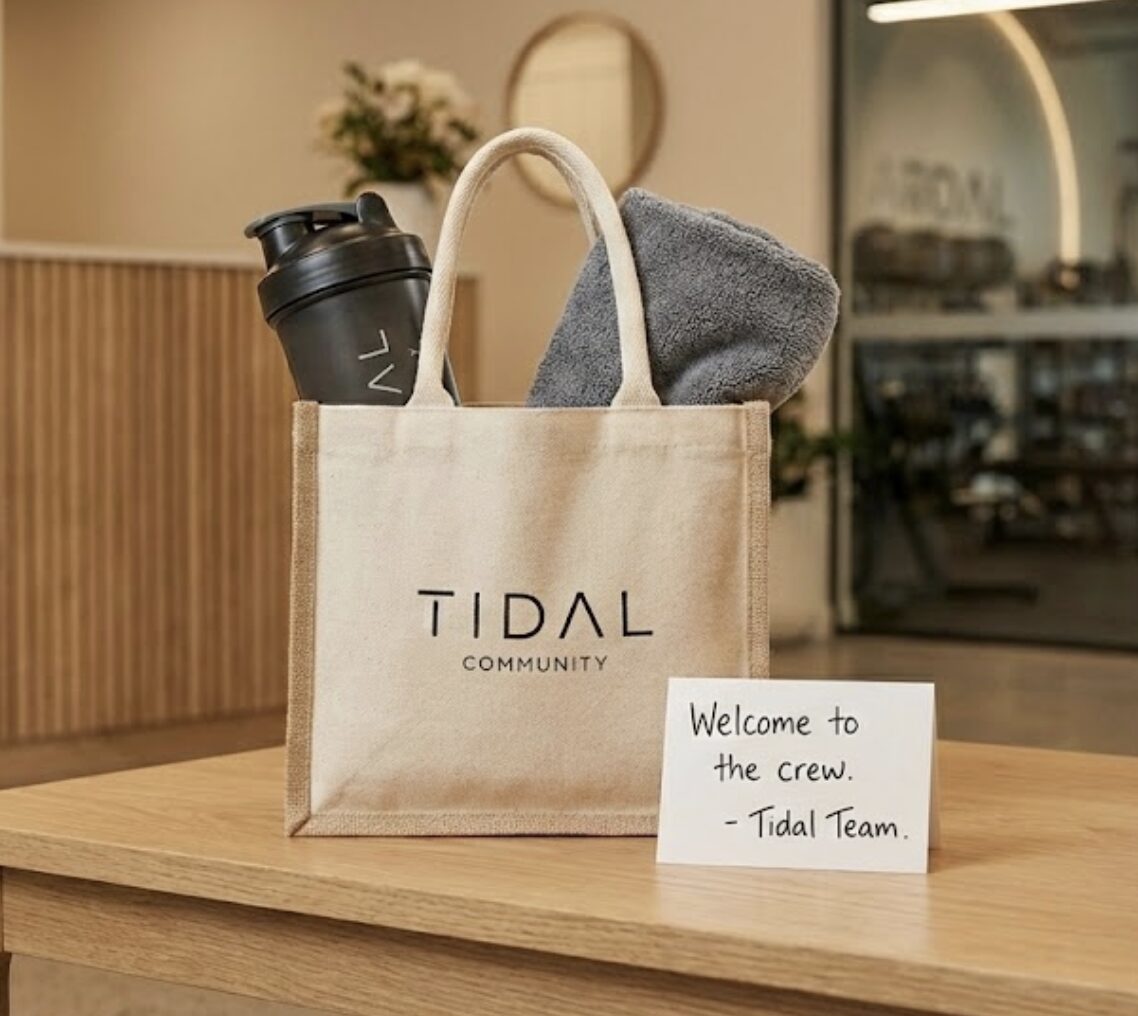
It says, “You are part of this.” It lives in the real world. It gets used again and again. Every use reinforces the memory of why it was earned.
Merch also creates social proof without forcing it. When members wear your gear in public, they are vouching for you without saying a word. That is far more powerful than a one-time discount buried in a billing statement.
The Referral Moment Is An Identity Moment
When someone brings a friend to your gym, they are taking a small social risk. They are saying, “This place reflects me.”
That moment deserves recognition that feels proportional.
A discount feels administrative. Merch feels symbolic.
The right piece of merch says, “You did something that strengthens the community.” That framing matters, especially if you care about culture and retention more than raw signups.
How Merch Outperforms Discounts Over Time
Discounts are linear. You give money up front. The benefit ends.
Merch compounds.
A well-made hoodie gets worn for years. A clean water bottle becomes part of someone’s daily routine. A limited item tied to a referral story becomes a conversation starter.
Every time the item shows up, your brand shows up. Not as an ad. As a memory.
That is a return you cannot calculate on a spreadsheet, but you can see it in the parking lot and the coffee shop down the street.
Get The Branded Merch Playbook
If you want to replace discounts with something that actually builds loyalty, you need more than a logo on a shirt.
The Branded Merch Playbook breaks down how to choose merch that members want to earn, how to tie items to moments like referrals and milestones, and how to avoid giveaways that feel disposable. It also includes practical pricing insight so your merch feels generous without quietly eating your margins.
Get the Playbook
Why Merch Feels Fair To Everyone
One of the biggest hidden benefits of merch-based referrals is perceived fairness.
With discounts, only the referrer sees the benefit. With merch, the benefit is visible. The community sees it. The moment feels celebrated instead of secretive.
That visibility matters. It reinforces behavior without creating resentment.
It also creates a clear narrative. People understand why someone received the item. There is no confusion about who paid what.
Merch Creates Stories, Not Transactions
Think about how referrals actually happen.
Nobody says, “You should join my gym because I get ten percent off.” They say, “I love my gym.”
Merch fits that story naturally.
A member wears a hoodie. A friend asks about it. A conversation happens. A class is tried. The referral feels organic.
Now imagine that same interaction tied to a discount. The story gets clunky fast.
Merch keeps the story clean.
What Kind Of Merch Works For Referral Programs
Not all merch is created equal. Referral merch should feel earned, not mass-produced.
Here are categories that consistently work.
Limited Apparel
A referral-only hoodie, crew, or hat signals insider status. Keep the design subtle. Make it wearable. Nobody wants a billboard, even if they love your gym.
Utility Items With Daily Visibility
Bottles, bags, and totes work because they travel. They turn a referral moment into ongoing exposure.
Event-Tied Pieces
Merch tied to a specific challenge, season, or referral window feels special by default. Scarcity adds weight without pressure.
If you want a deeper look at how gyms successfully choose merch that actually gets used instead of forgotten, this resource lays out the principles clearly: The Ultimate Guide to to Branded Merch for Gyms and Health Clubs.
How To Structure A Merch-Based Referral Program
The structure should be simple. Overengineering kills momentum.
One referral equals one earned item. No points. No tiers. No spreadsheets taped to the wall.
Make the item visible. Display it. Name it. Give it a story.
When a member earns it, acknowledge it publicly if they are comfortable. That recognition is part of the reward.
What To Say Instead Of “Refer A Friend And Get X Off”
Language shapes behavior.
Instead of talking about incentives, talk about contribution.
“Help grow the community.”
“Bring someone who would love this place.”
“Invite a friend and earn the referral piece.”
This keeps the focus on belonging, not bargaining.
Why Merch Protects Your Pricing Integrity
Once you discount memberships, you are negotiating against yourself.
Merch avoids that entirely.
You can reward behavior without touching your rates. That keeps your pricing clean and your positioning intact. Members do not start waiting for deals. Staff do not have to justify numbers.
Your gym remains a place people choose, not a place people shop around.
The Retention Bonus Nobody Talks About
Members who refer friends tend to stay longer. That is not surprising.
Merch amplifies that effect.
When someone earns a piece of gear through a referral, they are more invested. They have a visible reminder that they helped shape the community. That sense of ownership is sticky.
Discounts do not create ownership. They create relief.
Ownership is what keeps people showing up when motivation fades.
Replacing Discounts Without Creating Pushback
If you already run a discount-based referral program, switching does not have to be dramatic.
Announce the change as an upgrade. Explain that you want referrals to feel more meaningful and more aligned with your culture.
Introduce the merch first. Let people see it. Build desire.
Then sunset the discount quietly. Most members will not miss it once they understand what replaced it.
Why This Works Long-Term
Merch-based referrals scale better.
They scale emotionally. They scale culturally. They scale operationally.
You do not have to track billing adjustments. You do not have to answer awkward questions. You do not have to worry about undercutting your own value.
You get visible appreciation, organic marketing, and stronger retention from the same action.
Replacing referral discounts with merch is not about being clever. It is about respecting the relationship between your gym and your members.
And relationships thrive on meaning, not math.





0 Comments