
The Quiet Weeks Between Sessions Are Where Clients Drift
A coaching engagement looks tidy on the calendar. Session on the first and third Thursday, a recap email within a day, maybe a voxer ping when something spicy comes up. What the calendar doesn’t show is the long stretch in between, when your client is buried in board prep, fighting a hiring fire, and quietly wondering whether the last conversation actually moved anything. Momentum in coaching leaks out during those gaps, and most coaches never see the leak because the client keeps showing up on schedule anyway.
Seasonal touchpoint gifts are one of the least dramatic ways to plug it. Nothing fancy, nothing that requires a launch plan. A small, well chosen item that arrives at a natural moment in the year tells your client you’re still thinking about them on a random Tuesday in October, which is exactly when most service providers go silent.
Why Seasons Work Better Than Random Gifts
A gift that shows up out of nowhere can feel strange, even a little like a sales tactic. A gift tied to the turn of a season feels natural because everyone already expects the world to shift gears. September has a reset energy to it, people get back from vacations, calendars fill up, goals get dusted off. January is the obvious one. Late spring has that last push before summer slows everything down. You’re borrowing a rhythm your client already feels, which means the gift lands as thoughtful instead of promotional.
There’s also a practical reason. Seasons give you a built in schedule so you’re not guessing when to reach out. Four touchpoints a year, spaced roughly three months apart, is plenty. Any more and you start to feel like a subscription box. Any fewer and the gaps between contact start to creep back in.
Get the Branded Merch Playbook. It walks through which items clients actually keep on their desks and which ones quietly vanish into a closet, with real product examples and pricing context so your seasonal budget goes to things worth sending. If you’re about to plan a year of touchpoints, start there before you place an order.
Get the Playbook
A Year Of Touchpoints That Won’t Feel Like Marketing
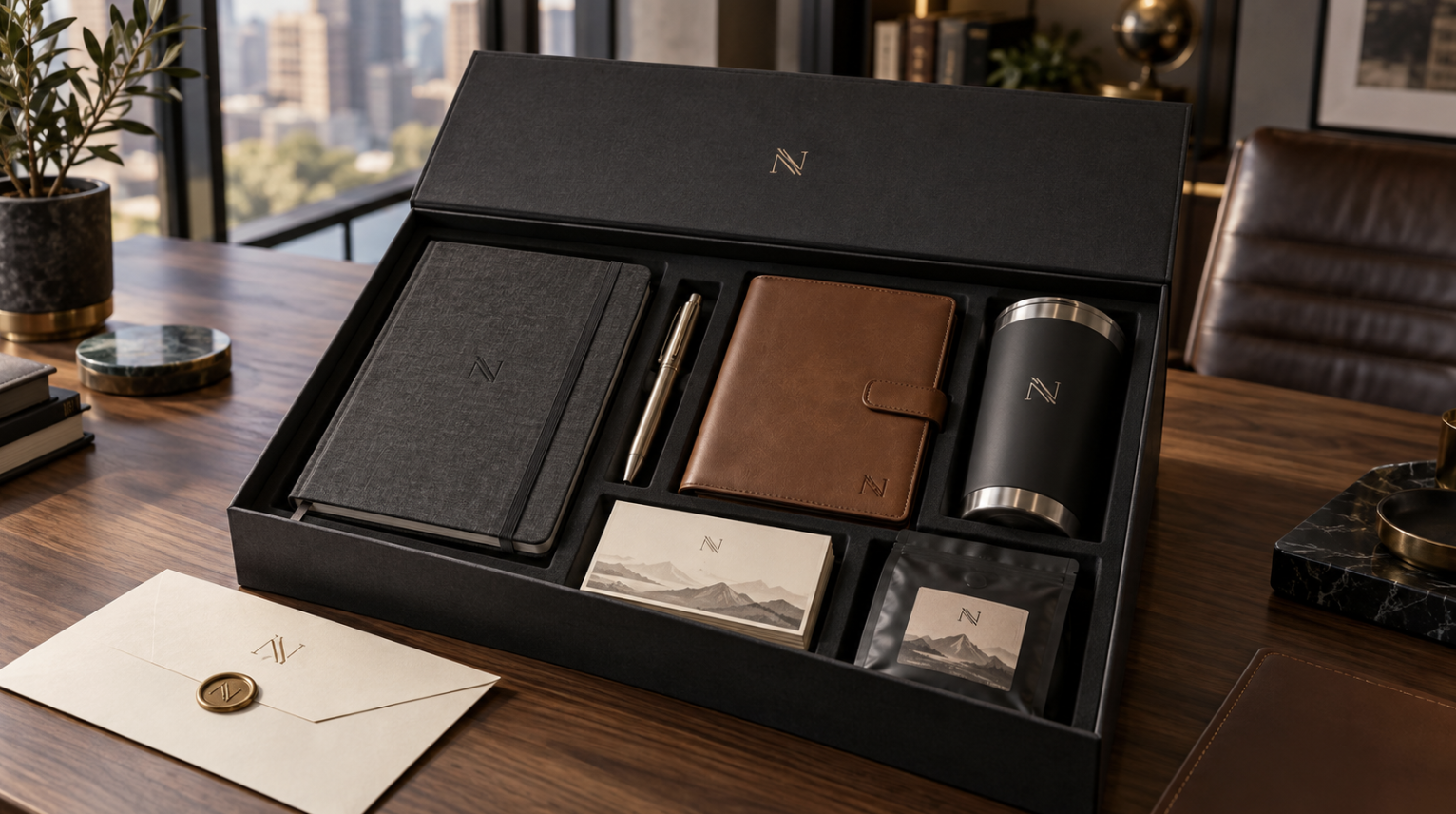
Let’s walk through a rough calendar, with the caveat that you should bend it to fit your own clients. Early in the year, send something that supports goal setting. A quality notebook with a short note about what you noticed in their last session works far better than a generic planner. In spring, think lighter. A coffee or tea sampler, a small plant, or a good pen for the person who still signs things by hand. Summer is when engagement tends to dip hardest, so that’s the moment for something playful, like a branded cooler tumbler or a paperback you think they’d actually enjoy on a flight.
Fall is the second reset. Clients are heading into planning season, and a gift tied to reflection tends to land well. A candle, a nice journal for year end review, or a small desk item that fits a home office. The holidays deserve a bit more care, but resist the urge to go huge. A thoughtful, mid range item with a personal note beats an expensive gift basket that looks like it was ordered off a list, because the executive receiving it has already gotten six of those from vendors who want to renew contracts.
If you want more inspiration on how to think about timing across the calendar, this breakdown of seasonal merch ideas for every time of year covers how different moments in the year call for different kinds of items, and a lot of it translates directly to one on one coaching relationships.
The Note Matters More Than The Object
Here’s the part that surprises people. The item itself is usually the second most memorable thing in the box. The handwritten note tucked inside is what clients bring up weeks later. Something specific, like “I was thinking about the conversation you had with your COO and wanted to send this your way,” reads as attention rather than automation. Anyone can order a mug. Only you can reference the thing that was keeping them up last week.
The emotional return on that small gesture is bigger than most coaches expect, and we dug into why in a piece on the emotional ROI of handwritten notes. The short version is that a personal note costs almost nothing, takes about two minutes, and does more for a relationship than a gift three times the price sent without context. Pair the two and you’ve got something that feels like care instead of marketing.
Budget, Logistics, And The Boring Stuff That Makes It Work
Plan for roughly twenty five to fifty dollars per touchpoint for a standard client, with room to go higher for a flagship client or a milestone like a contract renewal. Over a year, that’s a hundred to two hundred dollars per client, which is a small fraction of a typical coaching retainer and much less than what it costs to replace a client who quietly drifted away. Build a simple spreadsheet with each client, the season, what you sent, and one line about what was happening in their world. That last column is what keeps you from sending the same candle twice and lets you personalize without relying on memory.
Order early. Seasonal gifts have a way of colliding with supplier backlogs, especially in Q4, and nothing deflates a thoughtful gesture like a package that shows up three weeks late with an apologetic email. Keep a small stock of two or three proven items so you’re never scrambling, and rotate them out as clients mention what they actually use. Clients will tell you what works if you pay attention, usually by casually mentioning the notebook or the tumbler in a session without realizing they’re giving you data.
One more thing worth planning for is the client who travels constantly or works from three different cities. Shipping to a home office that might sit empty for weeks is a recipe for a package languishing on a porch. Ask for the best delivery address during onboarding, or send a quick text a few days ahead so the gift lands when someone can actually enjoy it. A small detail like that keeps a lovely gesture from turning into a logistical headache for the person on the receiving end.
Keeping The Relationship Warm Without Overdoing It
There’s a line between staying present and becoming noise, and executives are quick to feel it. Seasonal touchpoints work because they’re infrequent enough to feel special and consistent enough to be expected. If you’re also sending articles, check in texts, and event invites, the gifts can get lost in the volume. Pick your channels and let each one do a specific job. Sessions handle the work. Email handles logistics. Physical touchpoints handle the relationship.
This idea of using physical items to stay present over the long haul isn’t unique to coaching. We explored it in a post about long term client nurture through physical touchpoints, where professionals with long sales cycles and even longer relationships rely on the same principle: show up in small, thoughtful ways when nobody expects it, and you become the person a client remembers first when they need advice or know someone who does.
Start Small And Let It Compound
You don’t need a perfect system to begin. Pick the next season on the calendar, choose one item you’d be happy to receive yourself, write a real note, and send it to your three most engaged clients. See what happens. A reply, a mention in the next session, a photo of the item on a desk. That feedback will tell you more than any planning exercise ever could.
Over a year or two, those small gestures stack into something clients feel even if they can’t name it. They stay longer, they refer more, and they treat you less like a vendor and more like a trusted advisor who happens to be remarkably good at remembering what matters to them. That’s a pretty good return for a few boxes and a handful of handwritten notes.






0 Comments