
Boutique real estate teams are usually good at taste. That is part of the appeal. The listing photos look warm, the open house signs look intentional, the Instagram grid has the right amount of marble counter, golden-hour porch light, and “we know this neighborhood better than Zillow ever will” energy.
Then the merch table shows up and suddenly the brand has multiple personalities.
One quarter it is a bright blue tumbler. Next quarter it is a black tote. Then a stress ball shaped like a house sneaks in because somebody found a “deal.” By fall, the office has a closet full of half-used boxes, mismatched colors, random logos, and items no one is excited to hand out. The team technically has swag, but it does not feel like a brand system. It feels like a merch junk drawer with a broker’s license.
For boutique real estate teams, that is a problem. Your whole advantage is consistency. You are not trying to look like a national franchise with 900 agents, 14 slogans, and a billboard at every exit. You are trying to feel curated, local, polished, and memorable. Different swag every quarter may sound fresh, but more often it makes your brand harder to recognize.
The Quarterly Swag Trap
The quarterly swag trap usually starts innocently. A new season is coming, a vendor sends a promo email, or someone on the team says, “We should do something fun for clients.” Great instinct. Bad process.
So you order spring totes, summer water bottles, fall candles, and winter blankets. On paper, this looks thoughtful. In reality, it often creates four separate mini campaigns with four separate vibes, four separate ordering headaches, and four separate chances to miss the mark. The items might be useful by themselves, but together they do not build a stronger memory of your team.
Real estate referrals do not happen because a client received twelve different objects from you. They happen because the client remembers you quickly and positively when someone says, “Do you know a good realtor?” The faster your name, face, and brand feeling come to mind, the better. Random quarterly swag makes that recall fuzzy. A focused merch system makes it sharper.
Get The Branded Merch Playbook
Before your team orders another box of “cute” seasonal giveaways that may end up hiding in a supply closet, grab the Branded Merch Playbook. It shows you how to choose branded merch people actually keep, with practical product ideas, pricing context, and examples that help you avoid wasted swag and build a smarter real estate merch system.
Get the PlaybookBoutique Teams Need Recognition More Than Variety
Big real estate brands can afford visual chaos because they already have scale. Their signs are everywhere. Their names are familiar even when their marketing is forgettable. Boutique teams do not have that luxury, which is exactly why their merch needs to work harder.
If your team has five to fifteen agents, every touchpoint matters. The closing gift, the open house giveaway, the client appreciation invite, the handwritten card, the tote in the backseat, and the mug on the kitchen counter should all feel like they came from the same world. Not identical, not boring, not robotic. Just unmistakably yours.
Think about how a great local coffee shop handles branded goods. They do not reinvent the whole brand every three months. They might add a seasonal drink or limited-run mug, but the core look stays recognizable. Same typography, same tone, same level of taste. That is why you can spot their cup from across a parking lot. Boutique real estate teams should steal that discipline.
The Cost Is Not Just The Item Price
A $7 item is never just a $7 item. There is the setup fee, shipping, storage, design time, ordering time, decision fatigue, distribution, leftovers, and the tiny emotional tax of wondering whether anyone will actually use the thing. Multiply that by four quarters and suddenly “just ordering a few fun items” becomes a weirdly expensive side hobby.
The bigger cost is brand dilution. If your spring item feels coastal, your summer item feels corporate, your fall item feels farmhouse, and your winter item feels like a leftover bank promotion, clients are not getting a clear signal. They are getting noise. Pleasant noise, maybe, but noise still.
For boutique teams, clarity is money. A client should be able to receive something from you and immediately feel the same brand promise they felt during the buying or selling process. Calm, organized, local, premium but not stiff, warm but not sloppy. Whatever your lane is, the merch should reinforce it instead of wandering off like a golden retriever at an open house.
Build A Core Merch Wardrobe Instead
The better approach is to build a core merch wardrobe. Not a closet full of random products, but a tight set of repeatable items that cover your most important moments. This gives your team variety without chaos.
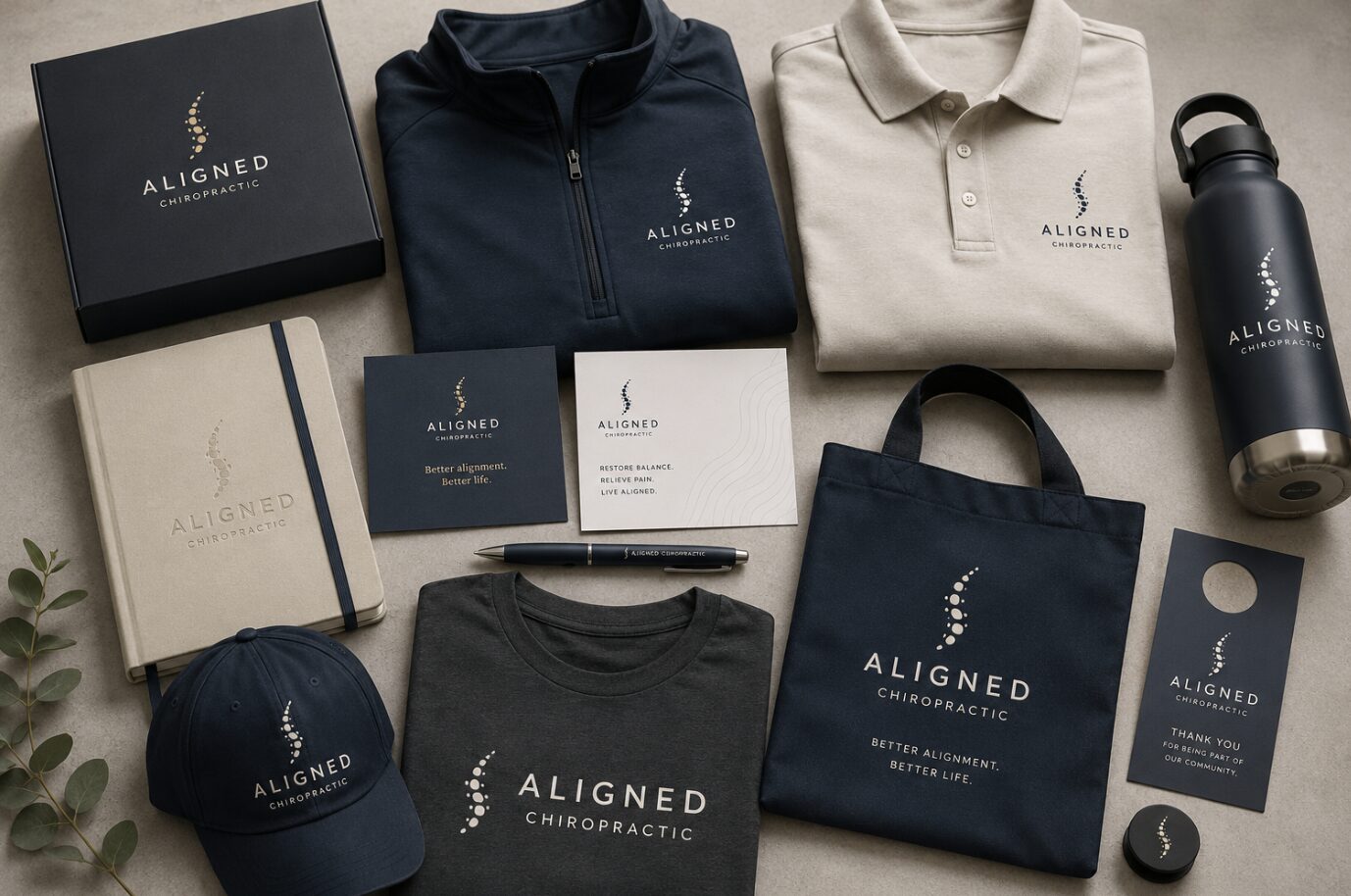
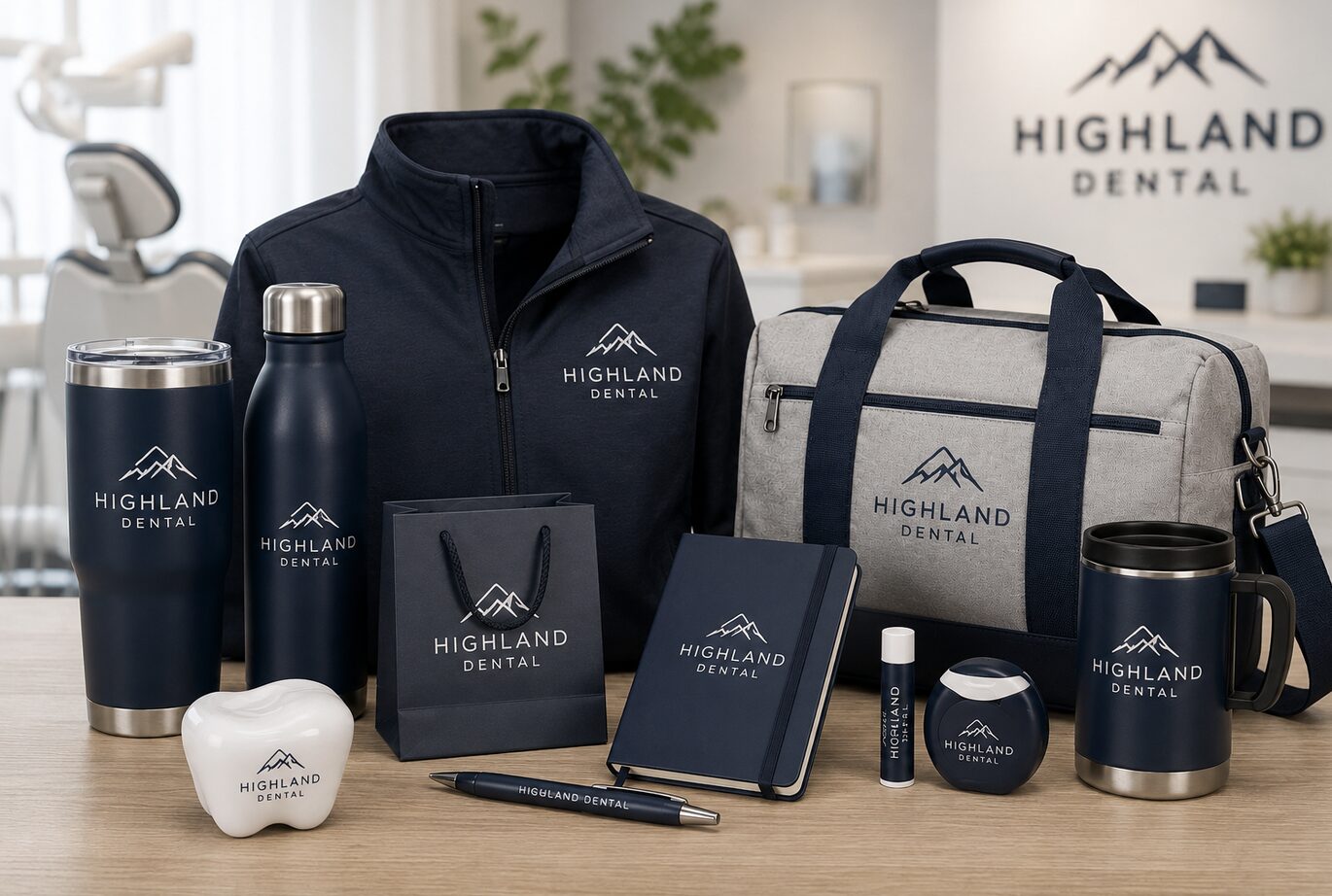
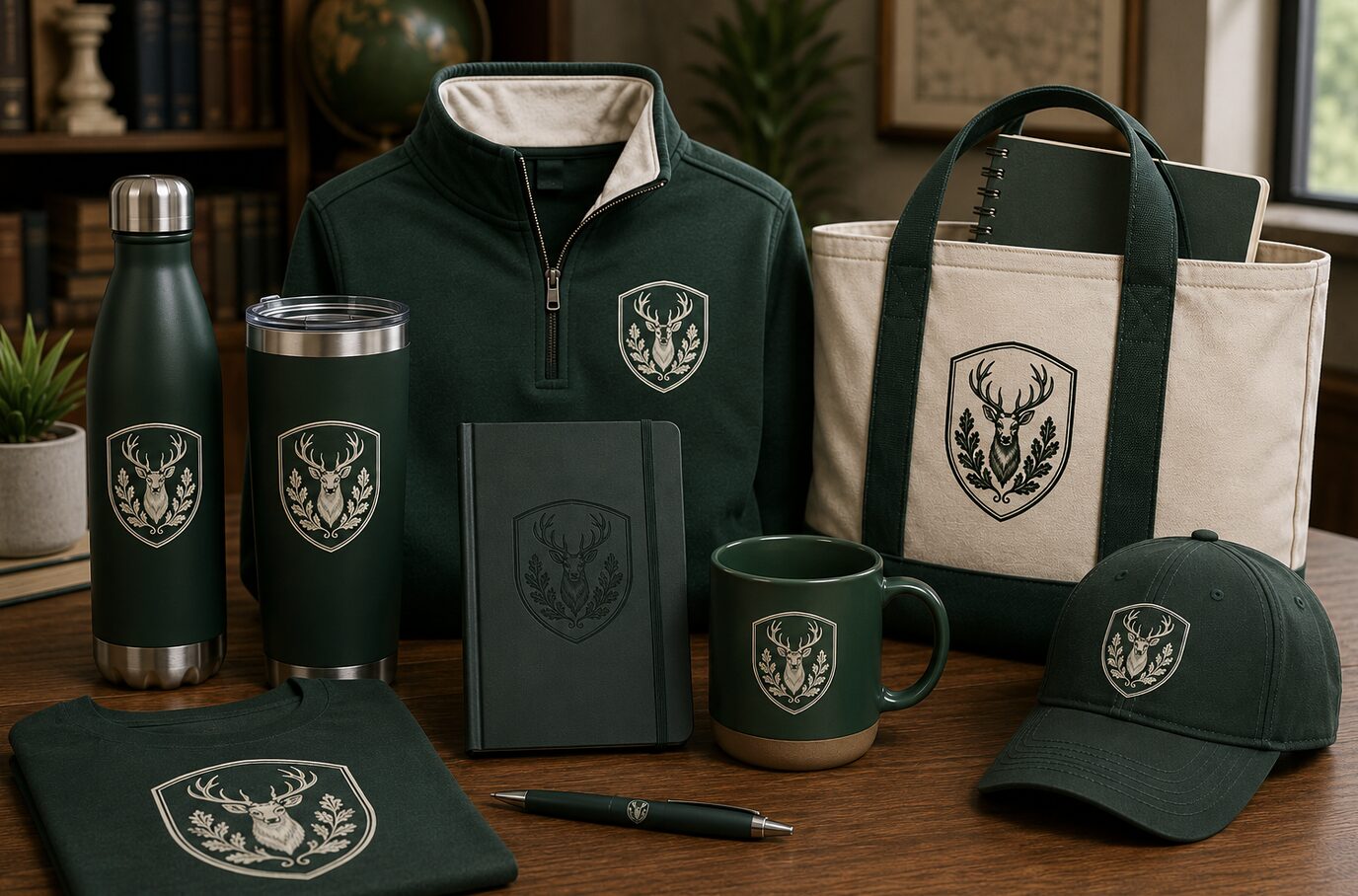
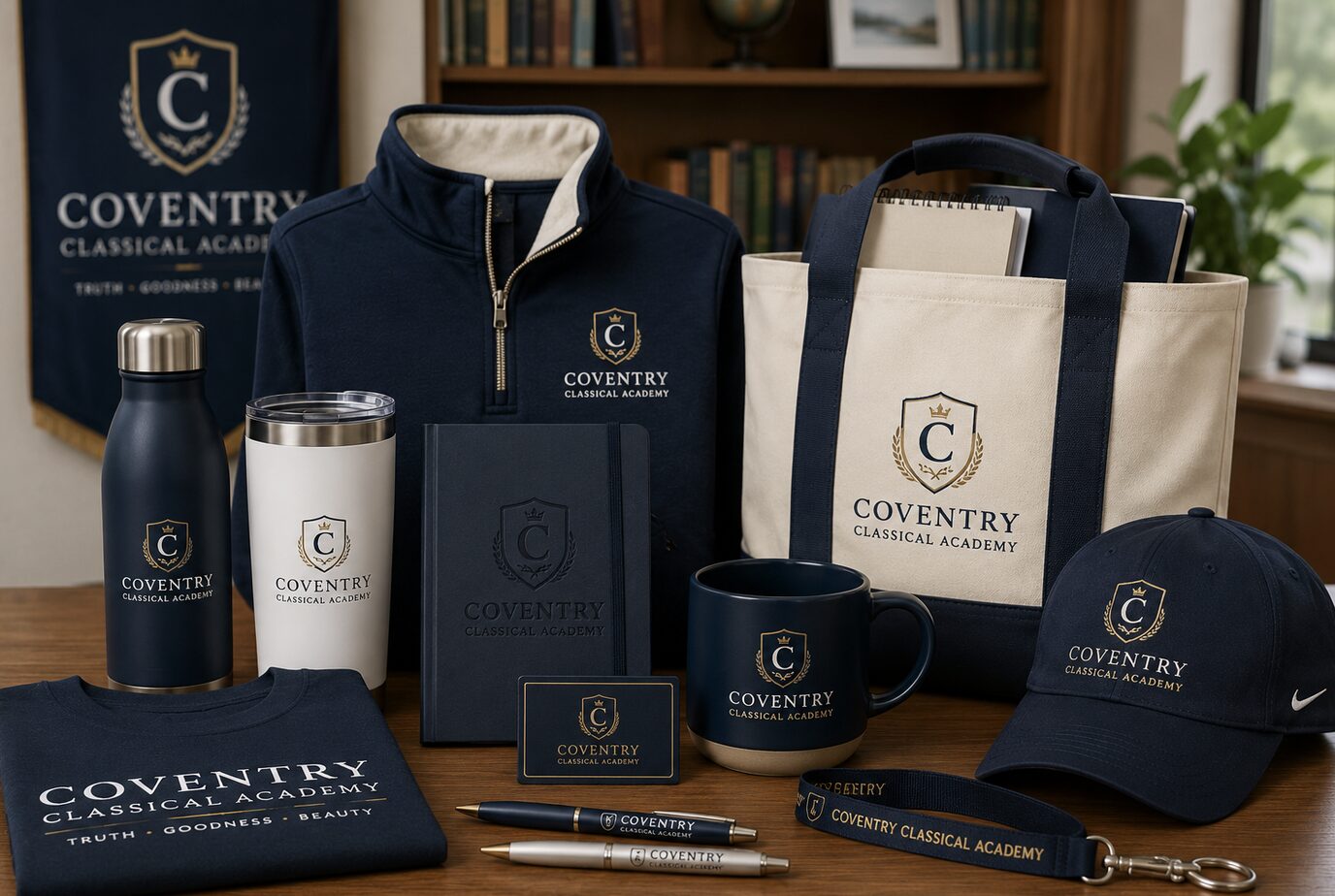
Start with three to five anchor pieces. For a boutique real estate team, that might mean a premium canvas tote, a high-quality insulated tumbler, a soft closing-day blanket, a tasteful notebook, and a small home care item like a branded microfiber cloth or key tray. The exact items depend on your market, client base, and price point, but the principle stays the same: choose pieces you would be proud to hand to a client more than once.
This is where strategy matters more than novelty. If you need ideas for client-facing pieces that feel more polished than the usual fridge magnet situation, BRND’s guide to the best branded gifts for realtors is a useful starting point because it focuses on items clients are more likely to keep and associate with a positive experience.
Once you have the anchors, seasonal touches become easier. You can add a fall insert card, a holiday ribbon, a spring neighborhood checklist, or a summer open house tag without changing the entire merch lineup. The item stays consistent, while the presentation feels timely. Much better. Much less “we panic-ordered 200 neon koozies.”
Your Merch Should Match The Client Journey
The best merch systems are mapped to moments. Not moods. Not random holidays. Moments.
A buyer consultation needs something different than closing day. An open house needs something different than a first home anniversary. A seller prep meeting needs something different than a neighborhood event. When you map merch to moments, you stop asking, “What should we order this quarter?” and start asking a better question: “What do clients need to feel or remember at this point?”
At the first meeting, a simple notebook or folder can make your team feel organized before anyone signs anything. During the home search, a tote or drinkware piece can become part of the car-life chaos of showings, snacks, and last-minute schedule changes. At closing, a more premium item can make the milestone feel personal instead of transactional. After the move, a small housewarming kit gives you a natural reason to check in without sounding like a sales gremlin.
This matters because real estate is emotional. People are dealing with money, timing, family opinions, inspections, appraisals, packing tape, and the mysterious disappearance of every phone charger they own. Good merch will not fix a bad transaction, obviously. But paired with a great client experience, it can make your team feel more thoughtful, more prepared, and more worth talking about.
Consistency Makes Referrals Easier
Referral marketing is memory work. That sounds less glamorous than “brand awareness,” but it is more useful. You are trying to earn a spot in someone’s mental shortcut folder. When their friend needs a realtor, your name should be easy to retrieve.
Consistent merch helps because it creates repetition without being annoying. A client sees the same refined mark on a tote, then a tumbler, then a card, then an anniversary mailer. They are not being hammered with ads. They are being gently reminded that your team exists and that the experience with you felt buttoned up.
This is also why subtle branding usually wins. Giant logos make clients feel like unpaid billboards, and most normal humans do not want to walk around advertising their realtor like they joined a real estate street team. A small logo, a clean color palette, and a quality item feel more natural. If the product is good enough, the branding does not have to shout.
Stop Chasing The Vendor Email
One underrated reason teams keep ordering different swag is because vendors keep sending shiny ideas. New products, limited deals, seasonal specials, “your clients will love this,” the whole parade. Some of those ideas are fine. The problem is letting a promo email drive your brand strategy.
Your team should decide the merch system before the vendor shows you options. That way, a new idea has to earn its place. Does it fit the brand? Does it serve a real client moment? Does it replace or improve an existing item? Can it be reordered easily? Will anyone still want it in six months?
If the answer is mostly shrugging, skip it. There is no prize for owning the most promotional products. There is only the risk of becoming the team with bins of abandoned swag in the conference room, which is less “boutique brand” and more “office archaeology.”
What To Do Instead This Quarter
This quarter, do not start with a product search. Start with an audit. Pull out everything your team has ordered in the last year and put it on one table. Yes, the table may look mildly cursed. That is useful.
Look at the colors, materials, logo placement, usefulness, and leftovers. Which items would you proudly give to your best client today? Which ones feel like they belong to a different company? Which ones are still sitting there because no one wants to hand them out? Be ruthless, but not dramatic. The goal is not to feel bad about past orders. The goal is to stop repeating expensive little mistakes.
Then pick your core three. Choose one item for prospects, one for active clients, and one for closing or post-closing moments. If your team hosts events, choose one event-friendly item too. From there, build a simple reorder rhythm and a packaging standard so every item feels connected. If you need the broader strategy before making those choices, read The Ultimate Guide To Branded Merch For Realtors And Real Estate Teams and use it to think through how your merch should support the full client journey.
The Better System Wins
Boutique real estate teams do not need more random swag. They need a tighter system, better taste, and the confidence to repeat what works. Repetition can feel boring from inside the business because you see your brand every day. Clients do not. They see fragments. A tote here, an email there, a sign in the yard, a gift at closing, a card six months later. Your job is to make those fragments add up.
Ordering different swag every quarter feels productive, but it often creates more work than value. A focused merch wardrobe gives you cleaner buying decisions, stronger brand recognition, easier client touchpoints, and fewer boxes of promotional regret hiding under a folding table.
The next time someone says, “Should we order something new for the quarter?” ask whether new is actually better. Sometimes the smartest move is to make the existing system sharper, prettier, more useful, and more consistent. That is how a boutique team starts to feel bigger than it is without pretending to be a giant franchise. And honestly, that is the whole game.


0 Comments