
Summer camp season sneaks up on classical Christian schools every single year, and every single year somebody on staff is scrambling to get camp shirts ordered before the first week of June. If your school runs a Latin camp, a Logic Stage day camp, a summer reading intensive, or just a week of outdoor education before the heat gets unbearable, you already know parents expect merch. The question is whether they actually buy it, wear it, and keep it, or whether it ends up balled up in the bottom of a gym bag by July.
Classical schools have a strange advantage here that most people overlook. Your families already buy into the mission before they ever look at a t-shirt. They chose Latin roots and Socratic discussion over standardized test prep. They read the Great Books lists. They know what a trivium is. That means camp merch for a classical school does not need to work as hard to convince anyone of anything. It just needs to look like it belongs to the world these parents already said yes to.
Most schools blow this by treating summer camp merch like an afterthought bolted onto whatever vendor did the fall spirit wear order. A camp shirt with a clip art tent and Comic Sans lettering is going to get worn exactly once, for the camp photo, and then live in a drawer forever. Parents notice when merch feels like a rush job, and classical school parents notice more than most, because aesthetic coherence is basically part of the curriculum at this point.
Get the Branded Merch Playbook
A practical guide to avoiding wasted merch and choosing pieces families actually wear, keep, and associate with your school long after camp ends. Inside, you will find real examples, smart product picks for warm weather camps, and pricing context so you can order with confidence instead of guessing.
Get the Playbook
So what do parents at a classical school actually buy when camp merch shows up in their inbox? Start with the obvious one: a well made camp t-shirt, ideally in a soft cotton blend rather than the scratchy polyester blends that show up in bulk catalogs. Parents will pay a couple extra dollars per shirt if it feels like something their kid will reach for on a Saturday morning, not just something forced onto them for a single week in June. The design matters just as much as the fabric. A shirt referencing Aesop, a constellation from the ancient Greeks, or a Latin motto tied to the camp theme will outperform a generic sun and palm tree graphic every time, because it signals that even the summer session has intellectual roots.
Water Bottles Are the Sleeper Hit
Water bottles are the second big winner, and honestly this one surprised me the first time a school reported it back. Parents are drowning kids in plastic water bottles all summer anyway, so a school branded one with a locking lid and a design that does not scream corporate logo becomes the default bottle in the backpack. If your school has any kind of nature study, hiking day, or outdoor education component woven into the way you plan event merch touchpoints throughout the year, the water bottle can double as a subtle callback to that programming instead of feeling like a random add-on.
Hats are hit or miss, and this is where a lot of schools waste budget. Boys under about ten will wear a ball cap constantly. Girls, and older kids of either gender, are far less predictable. If your camp population skews younger, hats can work. If it skews toward middle school ages, you are usually better off putting that budget into a second shirt design or a drawstring bag instead.
Speaking of bags, drawstring backpacks are underrated for camp merch specifically because they solve an actual logistics problem parents deal with every day of camp. Kids need something to carry a swimsuit, sunscreen, a water bottle, and a craft project home in, and a branded drawstring bag does that job while also turning into a walking billboard at pickup line every single afternoon. It is functional first and promotional second, which is exactly the order classical school parents respond to.
The thing to avoid entirely is generic seasonal junk. Stickers with a cartoon sun, sunglasses with a plastic logo sticker, or those cheap frisbees that crack the first time they hit pavement. These items get handed out, tossed in a bag, and forgotten before the family gets to the parking lot. If a piece cannot survive one wash cycle or one summer of actual use, it is not merch, it is landfill with your school’s name printed on it.
Design Consistency Matters More Here Than Almost Anywhere Else
Design consistency across the summer program matters more for classical schools than it does almost anywhere else, because these schools have spent years building a visual identity rooted in something older and more permanent than trend cycles. A camp shirt does not need to match the fall uniform exactly, but it should feel like it came from the same family. Think classic serif lettering, a color palette pulled from your existing brand rather than a random summer pastel scheme, and imagery that nods to whatever your camp curriculum actually covers. If the camp includes a unit on mythology, put a subtle laurel wreath somewhere instead of a beach ball. Small choices like that are the difference between merch parents post on Instagram and merch that ends up in the donation bin at the end of August.
Timing the Order So Quality Does Not Get Sacrificed
Ordering timeline trips up more schools than design ever does. Camp sign ups typically finalize four to six weeks before the first session, and vendors need lead time for anything beyond a basic screen printed tee, especially if you want embroidery on a hat or a specialty ink on a water bottle. Waiting until two weeks out means you are stuck with whatever stock item a supplier can rush ship, and rush shipping fees eat into whatever margin you were hoping to build in if you are selling merch rather than including it in the camp fee. Building the merch order into your camp planning calendar at the same time you finalize staffing and curriculum saves everyone a scramble, and it is worth pairing that planning conversation with how your school handles spirit wear for the regular school year, since reusing a vendor relationship and sizing chart from the academic year cuts a surprising amount of admin time.
Pricing deserves a straight answer instead of vague reassurance. A quality camp t-shirt in reasonable bulk typically lands somewhere in the ten to fifteen dollar range depending on print complexity and shirt brand, water bottles run higher, and bags fall somewhere in between. If a school is bundling merch into the camp registration fee, most families do not notice an extra few dollars folded into a week long program that already costs a few hundred dollars. If merch is sold separately as an optional add on, expect somewhere between a third and half of camp families to opt in, higher if the design is genuinely good and lower if it looks like an afterthought.
The Quiet Admissions Angle Nobody Talks About
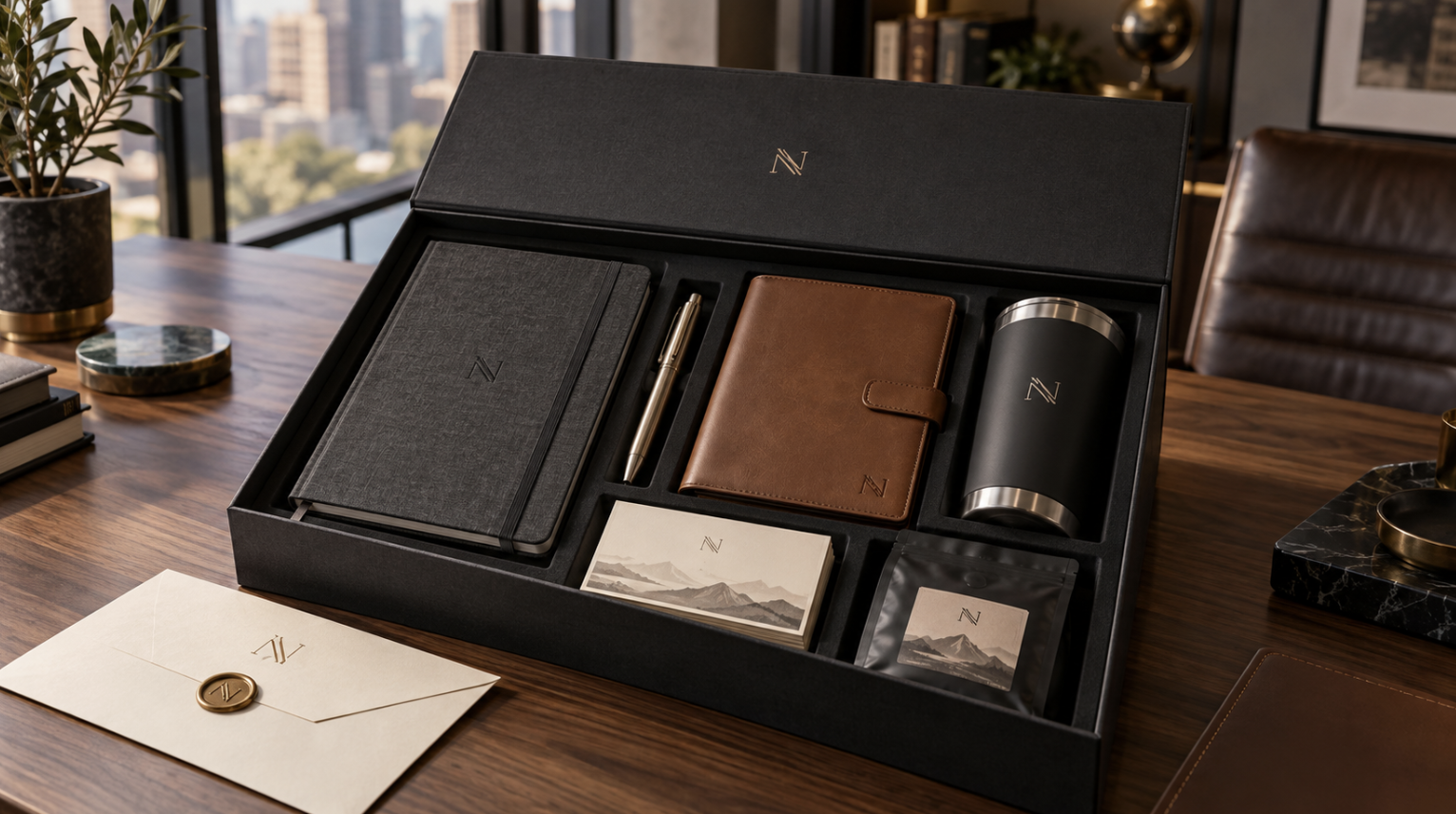
One thing worth remembering, especially for schools trying to use summer programming as a soft touchpoint for prospective families, is that camp merch quietly does double duty as an admissions tool. A well designed shirt worn to the grocery store or a Saturday soccer game is a tiny, unpaid advertisement, and it works precisely because it does not read as an ad. This kind of physical, everyday visibility is part of a larger pattern classical schools are catching onto, similar to how families keep and reuse items from a well built welcome kit that new families actually hold onto past orientation week, rather than tossing it the moment the school year starts.
None of this requires a massive budget or an elaborate merch program. It requires picking two or three items that fit the actual rhythm of your camp, designing them so they feel like they belong to your school’s existing identity, and ordering with enough lead time that quality does not get sacrificed for speed. Parents at classical schools are not hard to please here. They are just paying closer attention than most, which honestly makes this one of the easier merch categories to get right if you take it seriously from the start.




0 Comments