
Every coffee shop owner eventually hits the same fork in the road. Sales are steady, the regulars know your name, and someone on staff suggests branded merch like it is the obvious next move. Then six months later there is a cardboard box of unsold tumblers gathering dust behind the espresso machine, and everyone quietly agrees to never bring it up again. It happens more often than most owners want to admit, and it usually happens for the same reason: the merch got treated like a side hustle instead of an actual extension of the coffee shop experience.
Coffee shops have something most retail categories would kill for. Customers show up multiple times a week, sometimes daily, and they associate your space with a specific ritual, whether that is the first sip before a commute or the afternoon reset with a friend. That kind of repeat, emotionally loaded visit is exactly the environment where merch works. The problem is most shops design merch like an afterthought bolted onto the register instead of designing it around the ritual itself.
Start with the mug question, because every shop owner asks it eventually. Ceramic mugs feel like the obvious pick, and they can work, but they are also the item most likely to sit on a shelf for a year before someone finally buys it as a gift for their mother-in-law. Travel tumblers move faster, especially insulated ones that actually keep a latte hot for the length of a commute. Price point matters here more than design. A twenty five dollar tumbler with your logo needs to earn that price through actual function, not just branding, or it becomes the exact clutter problem you were trying to avoid.
Get the Branded Merch Playbook
How to Choose Branded Merch People Actually Keep. A practical guide to skipping the wasted inventory and picking pieces your regulars will use, keep, and quietly advertise for you every single day. Inside, you will find real examples, smart product picks by category, and pricing context so you can order with confidence instead of guessing.
Get the Playbook
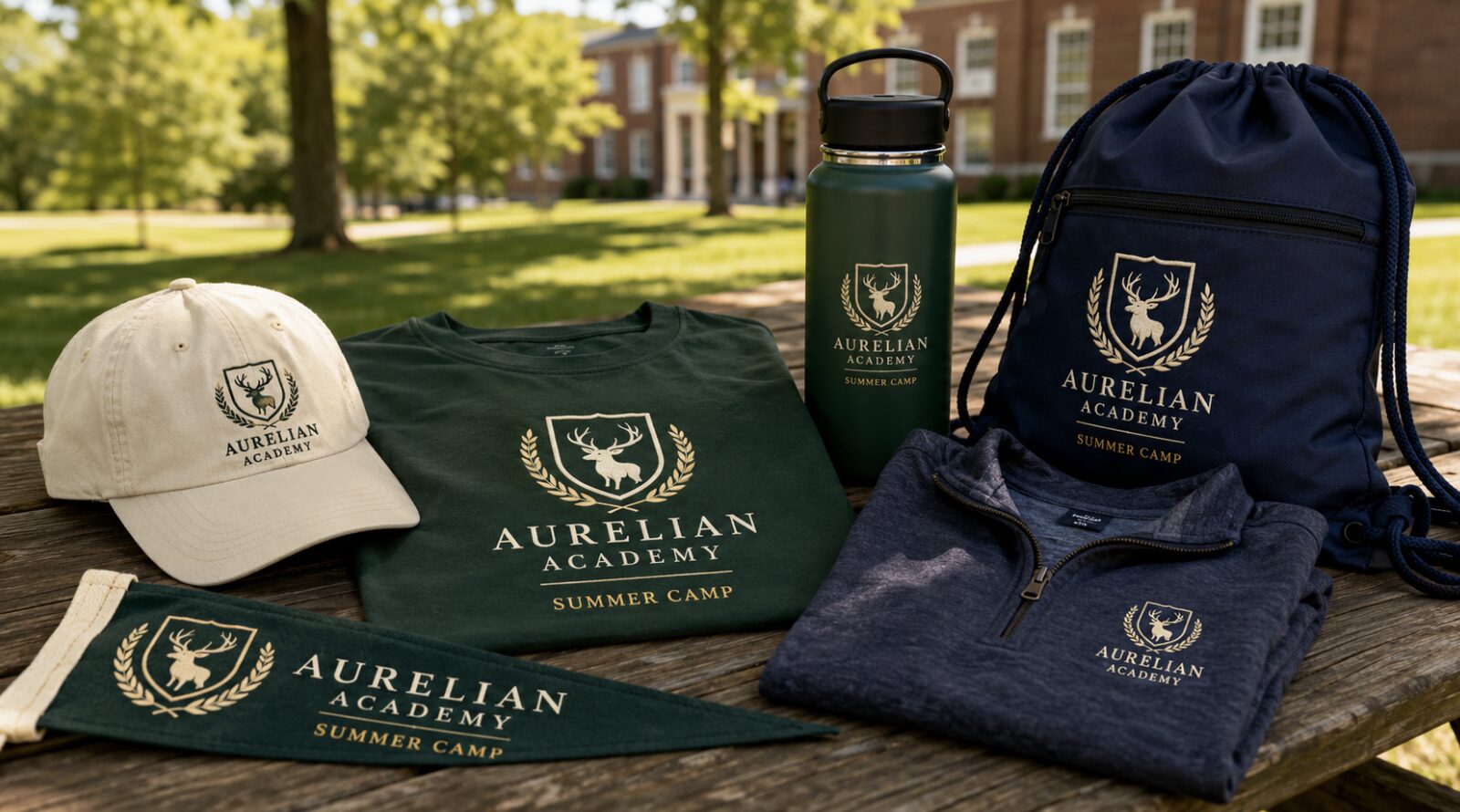
Apparel is where coffee shops either win big or waste a ton of money on shirts nobody wears past the first laundry cycle. A hoodie with a good design, something that looks like it came from an actual brand rather than a print shop clip art template, will get worn on weekends by people who have never once mentioned your shop’s name to a stranger before. That is the whole point. A shirt someone actually wants to wear does more organic advertising in a single Target run than a month of Instagram posts. The design has to earn that though. If it looks like a logo slapped onto a blank shirt with zero thought, you are asking customers to become a walking billboard for something they would not choose to wear on its own merits, and most people will simply decline.
Small Items People Actually Carry Around
Stickers deserve more respect than they usually get. They are cheap, they are low commitment, and they end up on laptops, water bottles, and car windows in a way that feels personal rather than promotional. A sticker with a clever line about your espresso or a stylized version of your storefront tends to outperform anything with just a logo, because people slap stickers on their stuff based on whether it says something about them, not just where they get their caffeine.
Tote bags have become the sleeper favorite for coffee shops, and honestly it makes sense once you think about who is buying coffee at ten in the morning on a Tuesday. A lot of your regulars are already carrying a bag for groceries, a laptop, or kids’ snacks, and a well made canvas tote with a clean design slides into that daily carry without feeling like a promotional item at all. It just looks like a bag someone chose because they liked it. Pricing a tote around fifteen to twenty dollars usually clears the mental hurdle for a customer who already spends five dollars a day in your shop anyway.
The Unboxing Moment Nobody Plans For
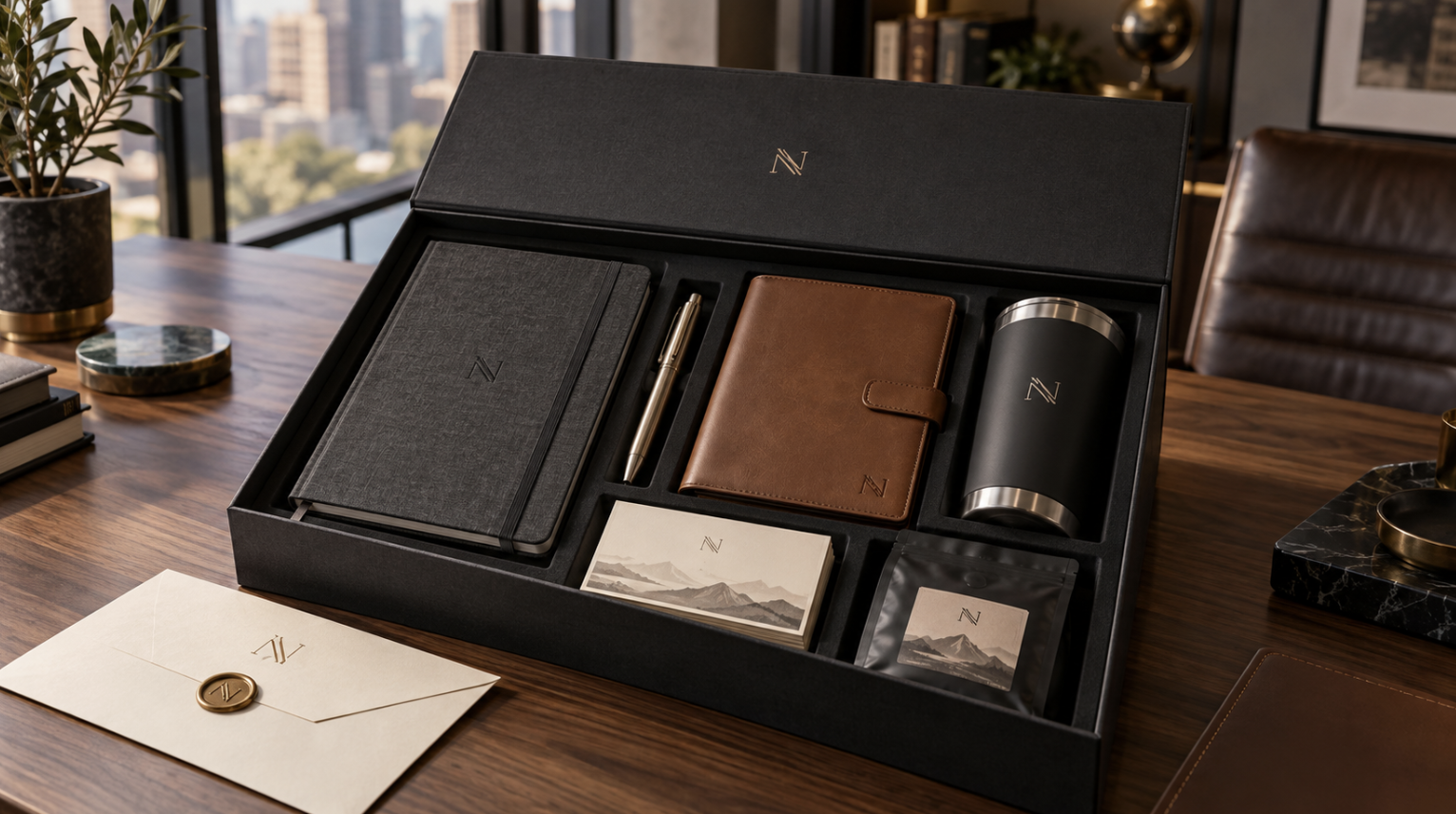
The mistake that quietly kills most coffee shop merch programs is treating every item like a standalone product instead of thinking about the whole moment when someone picks it up at the counter. A tumbler in a plain plastic bag feels like an afterthought. The same tumbler handed over with a small branded card, a sticker tucked inside, and a barista who says something like “this one’s my favorite, it actually keeps the ice from melting” feels like a gift, even though the customer just paid for it. That kind of small experiential upgrade is the difference between merch that gets shoved in a drawer and merch that becomes a story someone tells a friend, which is a principle worth studying in how other brands design a branded unboxing experience that feels premium rather than transactional.
Seasonal drops are worth the extra effort, and this is one place where a lot of shops leave money on the table by only running merch once a year around the holidays. A limited fall tumbler design, only available for six weeks, creates urgency without needing a hard sales pitch. Customers who missed last year’s design will ask about it, and that conversation alone reinforces the idea that your shop has a merch program worth paying attention to rather than a one-off experiment from three years ago that everyone forgot about.
Pricing Psychology at the Register
Pricing psychology matters more in a coffee shop than in almost any other retail environment, because your customer is standing at the register comparing a five dollar latte to a twenty dollar shirt in the same transaction. Anchor pricing works in your favor here if you use it right. A tumbler priced at twenty two dollars next to a hoodie at forty five dollars makes the tumbler feel reasonable by comparison, even though twenty two dollars for a cup is objectively a lot of money for a cup. This is basic merchandising, and it applies whether you are running one location or five, similar to how swag people actually keep tends to outperform generic bulk giveaways across almost every industry, not just coffee.
Why Quality Control Cannot Be an Afterthought
Quality control is the last piece, and it is the one most owners skip because it feels boring compared to picking designs. A shirt that shrinks two sizes after one wash or a tumbler lid that cracks within a month does more damage to your brand than not having merch at all, because now your logo is attached to a bad experience instead of a good one. Vetting a supplier before committing to a full order, even if it costs a little more up front for samples, saves you from a garage full of returns and a customer base quietly deciding your merch is not worth the money. This kind of upfront diligence is the same reasoning behind why slapping a logo on a blank product without real design thought tends to backfire across every retail category that has ever tried it.
Staff apparel deserves a mention too, because baristas are wearing your brand for eight hours a day whether anyone plans for it or not. A well designed staff shirt or apron does double duty as a uniform and a walking advertisement, and it sets the tone for what customers expect the retail merch to look like before they even get to the counter display. If your staff apparel looks tired or mismatched, customers subconsciously assume the merch for sale will be the same quality, and that assumption is hard to shake once it forms.
None of this requires a huge budget or a warehouse full of inventory. It requires picking two or three items that fit how your regulars actually move through their day, designing them so people would want them even without the logo, and pricing them so the purchase feels obvious rather than forced. The shops that get this right end up with customers wearing their brand around town for free, which is a much better return than another round of paid ads that get scrolled past in half a second.


0 Comments